
Body piercing sits at the intersection of personal style, beauty, anatomy, and long-term care. A tiny nostril stud can provide a subtle accent, while a curated ear, septum ring, lip stud, or statement tongue piece can become a defining part of someone’s look. Whatever the placement, a successful piercing depends on more than choosing attractive jewelry. It begins with informed decisions about placement and professional technique, then continues with appropriate materials, patient healing, and consistent hygiene.
Open a free Amazon Business account
Business pricing, bulk buying and tax-exempt orders.
As an affiliate, we earn on qualifying purchases.
This hub offers a practical starting point for exploring body piercings. It covers how to choose a placement, what to expect during healing, how to approach jewelry shopping, and when to seek help. It also connects you with focused guides for aftercare products, piercing tools, and jewelry styles when you are ready to investigate a specific topic in greater depth.
Start With Placement, Lifestyle, and Anatomy
A piercing may look simple in a photograph, but its suitability depends on individual anatomy and everyday habits. Ear cartilage varies in shape and thickness. Not every navel has the structure needed to support traditional navel jewelry, and oral placements must be assessed in relation to teeth and gums. A reputable professional piercer can examine the area and explain whether the intended placement is realistic.
Lifestyle matters just as much. Consider whether headphones, helmets, glasses, uniforms, sports equipment, or workplace rules will interfere with the piercing. Side sleepers may find a healing ear piercing especially inconvenient. Oral jewelry can affect eating and speaking temporarily, while facial jewelry may need to fit within professional dress requirements.
Before committing, think through three questions:
- Can the jewelry remain in place throughout the initial healing period?
- Can pressure, friction, cosmetics, and accidental snagging be minimized?
- Will the placement still suit your routine after its novelty has worn off?
If you want to preview a prominent facial placement without creating a wound, non-pierced jewelry is a useful styling option. The guide to fake septum rings that look real and stylish explores alternatives for experimenting with a septum look before deciding whether a permanent piercing fits your face and lifestyle.
sterile piercing kit for professionals
As an affiliate, we earn on qualifying purchases.
As an affiliate, we earn on qualifying purchases.
Choose a Safe Piercing Experience
What to Look for in a Piercing Studio
A professional appointment should begin with questions about anatomy, jewelry, healing, and relevant health considerations. The workspace should appear orderly, and the piercer should be willing to explain how reusable equipment is sterilized and how single-use items are handled. Needles, gloves, and other disposable supplies should be opened or prepared appropriately for the procedure, with contaminated items discarded safely afterward.
Ask which jewelry material, gauge, diameter, or length will be used and why. Initial jewelry often needs room for swelling, but excessively long jewelry may catch or move unnecessarily once swelling subsides. A piercer should also discuss whether a later downsizing appointment is appropriate.
Understand the Limits of DIY Piercing
At-home piercing carries risks involving placement, sterility, tissue damage, unsuitable jewelry, and delayed recognition of complications. A kit cannot evaluate anatomy or replace training in infection control and sharps handling. Cartilage, facial, oral, genital, surface, and large-gauge procedures are especially poor candidates for experimentation.
Readers researching home equipment can use the overview of self-ear piercing kits to understand what these sets contain and which safety factors deserve scrutiny. Likewise, the guide to disposable ear piercing cartridges provides category-specific context. These resources should support informed evaluation, not substitute for professional assessment, sterile practice, or local rules governing piercing services.
Dermal punches remove tissue rather than merely creating a narrow channel, so they demand particular caution. The overview of dermal punch tools for body art is most relevant to trained professionals and readers trying to understand the equipment. A dermal punch is not an appropriate casual DIY tool.
Build a Simple Piercing Aftercare Routine
Healing is gradual. A piercing can look settled on the outside while the internal channel remains delicate, so appearance alone should not determine when aftercare ends or jewelry changes begin. Placement, anatomy, health, irritation, and aftercare habits can all affect the process.
Follow the written instructions provided by a qualified piercer. In general, a low-interference routine is easier on healing tissue than frequent handling or an assortment of strong products. Wash your hands before necessary contact, clean only as directed, and avoid twisting or rotating jewelry simply to “keep it moving.” Movement can irritate the forming channel.
For product research, compare ingredients, packaging, and application methods in the guide to piercing aftercare sprays. A spray format can make it easier to reach some placements without pressing a reusable cloth against the area, although the label and professional instructions still matter.
Everyday Sources of Irritation
Many piercing problems begin with mechanical irritation rather than a dramatic event. Common triggers include sleeping directly on the site, catching jewelry on towels, using tight headphones, wearing restrictive clothing, and allowing hair or cosmetic residue to collect around the piercing. Swimming and soaking may also expose an unhealed channel to unwanted contaminants.
Cleaning more aggressively is not automatically better. Strong antiseptics, harsh scrubbing, and repeated product changes may dry or irritate tissue. If a piercer or clinician has advised a cleansing product for your circumstances, the comparison of antibacterial soaps for piercings can help you examine options. Do not assume that every antibacterial soap is suitable for every piercing or that it should replace professional aftercare guidance.
Know When to Seek Help
Mild tenderness, localized swelling, or crusting can occur during healing, but worsening symptoms deserve attention. Seek advice from an experienced piercer or healthcare professional if pain, heat, redness, swelling, bleeding, or discharge is increasing rather than settling, or if the jewelry appears embedded, displaced, or rejected. Fever, spreading redness, red streaks, or feeling generally unwell warrant prompt medical attention.
Do not remove jewelry from a possibly infected piercing solely on internet advice. Removal can change drainage and complicate the situation. A healthcare professional can assess infection, while a reputable piercer can help identify pressure, sizing, angle, or material problems.
Understand Jewelry Materials, Fit, and Construction
Jewelry should be selected for the placement and the stage of healing—not only for appearance. Material quality, surface finish, threading, gauge, wearable length, and closure design all influence comfort and practicality. A decorative piece that is suitable for a mature piercing may not be appropriate as initial jewelry.
Internal threading or threadless construction can reduce the need to pull exposed screw threads through a piercing channel. Smooth surfaces and secure ends matter because scratches, rough seams, and loose components can create avoidable trouble. Material descriptions should also be specific; a vague label such as “metal” or “surgical” offers less useful information than a clearly identified grade and manufacturing standard.
Fit is placement-specific. Jewelry that is too tight may press into swollen tissue, while jewelry that is too long can snag, move, or contact teeth and gums. Downsizing should be timed with professional guidance rather than treated as an arbitrary cosmetic change.
Explore Facial and Oral Jewelry Styles
Monroe and Upper-Lip Jewelry
A Monroe piercing is positioned above the upper lip and is commonly styled with a small stud. Because the back of the jewelry sits inside the mouth, both fit and construction deserve attention. Initial swelling may require extra length, followed by professional downsizing once appropriate. The guide to Monroe piercing studs that combine style and comfort can help you compare designs while keeping wearability in view.
Oral jewelry should be monitored for contact with teeth and gums. Persistent rubbing, changes to gum tissue, chipped teeth, or discomfort are reasons to consult a dental professional and an experienced piercer. Decorative appeal should never outweigh oral health.
Tongue Jewelry and Novelty Designs
Tongue jewelry ranges from understated barbells to novelty pieces made for short-term visual or sensory interest. More complex designs can introduce additional size, movement, weight, or components, so they require careful evaluation. They should not be treated as default jewelry for a fresh piercing.
The roundup of vibrating tongue rings covers this specialized category. Before trying novelty tongue jewelry, confirm that the piercing is mature, examine the product’s dimensions and construction, follow its care instructions, and stop using it if it causes pressure or irritation. Check removable ends before wear and avoid sleeping or eating with jewelry that is not designed for those activities.
Create a Cohesive Piercing Style
A strong piercing look does not require filling every available space. Cohesion can come from repeating a metal tone, balancing small and large shapes, or using one focal piece surrounded by simpler jewelry. Ear styling, in particular, benefits from considering the full silhouette rather than choosing each piece independently.
Think about visual weight. A bold hoop or decorative stud can anchor a composition, while tiny ends and slim rings add rhythm without competing for attention. Mixed metals can look deliberate when a finish, gemstone color, or shape repeats across the arrangement. Symmetry creates polish, while asymmetry can feel more organic and expressive.
Make changes gradually. Swapping several pieces at once can make it difficult to identify which item is causing irritation. Preserve the correct gauge, avoid forcing jewelry through resistance, and ask a piercer for help with unfamiliar closures or hard-to-reach placements.
Maintain Healed Piercings Over Time
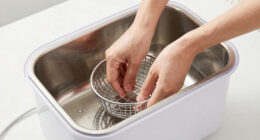
A healed piercing still benefits from routine attention. Clean jewelry according to its material and construction, check threaded ends periodically, and inspect wearable surfaces for damage. Remove buildup gently rather than scraping it with sharp objects. Keep small components away from drains, children, and pets when changing jewelry.
Watch for changes after introducing a new piece. Itching, swelling, persistent redness, discoloration, or soreness may point to poor fit, surface damage, material sensitivity, or excessive movement. Switching back to a previously comfortable piece may help in minor situations, but significant or persistent symptoms should be assessed professionally.
Piercing channels can shrink when left empty, even after long-term wear, and closure rates vary widely. If retaining the piercing matters, discuss temporary retainers before surgery, medical imaging, sports, or workplace situations that restrict jewelry. Never assume that reinsertion will be easy after jewelry has been removed.
Make Every Piercing Decision Deliberate
The best approach to body piercing combines creative freedom with respect for the body. Begin with a placement suited to your anatomy and routine, use a reputable professional for the procedure, choose appropriately fitted jewelry, and give healing tissue time to stabilize. Treat aftercare as a consistent habit rather than a frantic response to irritation.
Use the linked guides to compare specific product categories and styles, but keep the broader priorities in order: sound technique, suitable materials, correct fit, minimal trauma, and timely professional help. With those foundations in place, piercings can evolve alongside your style without sacrificing comfort or responsible care.
NFL season / tailgating Picks
team gear
As an affiliate, we earn on qualifying purchases.