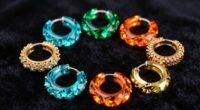
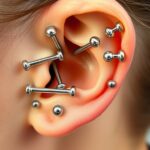
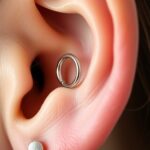
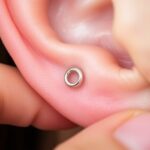
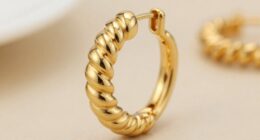
Ear piercings can be both safe and stylish for seniors when you choose high-quality, hypoallergenic jewelry like surgical stainless steel, titanium, or niobium. Proper aftercare, including gentle cleaning and avoiding touching or twisting the earrings, helps prevent infections and promotes healing. Remember, patience is key, as healing can take six to eight weeks, especially with more sensitive skin. Want to discover the best tips to make certain a comfortable and fashionable piercing experience?
Choose hypoallergenic, high-quality jewelry like surgical stainless steel or titanium to prevent allergic reactions and irritation.
Allow 6-8 weeks for proper healing, following gentle cleaning routines and avoiding touch or twisting of the jewelry.
Opt for lightweight, smooth-edged studs or hoops to ensure comfort and minimize skin trauma during recovery.
Consult a healthcare professional if signs of infection or prolonged discomfort arise during healing.
With proper care and suitable jewelry, seniors can enjoy safe, stylish ear piercings that enhance their personal expression.
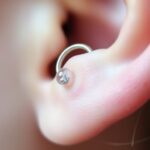
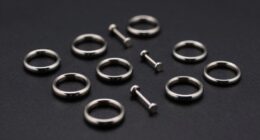
Many seniors are discovering that ear piercings can be a safe and stylish way to express themselves later in life. As you consider this form of self-expression, it’s important to understand the role jewelry materials play and what to expect during the healing process. Choosing the right jewelry materials is vital because your skin may be more sensitive or prone to irritation as you age. Opt for high-quality, hypoallergenic options like surgical stainless steel, titanium, or niobium. These materials are less likely to cause allergic reactions and are resistant to tarnishing, which means they’ll stay looking good longer. Avoid cheaper, nickel-based jewelry, as nickel is a common allergen and can cause redness, swelling, and discomfort. When selecting jewelry, consider the weight and size, especially if you have sensitive ears or underlying health conditions. Lightweight, small studs or hoops made from hypoallergenic materials tend to be the safest choices to minimize stress on your piercing. Additionally, understanding the importance of jewelry materials can help prevent complications and ensure a comfortable healing experience.
The healing process for ear piercings varies from person to person, but generally, it takes about six to eight weeks for a standard earlobe piercing to heal. During this time, it’s normal to experience some soreness, minor swelling, or crusting. To promote proper healing, keep the area clean by gently washing with a saline solution twice daily and avoid touching or twisting the jewelry unnecessarily. It’s essential to be patient and avoid changing jewelry prematurely, as this can prolong healing or introduce bacteria, leading to infection. If you notice persistent redness, swelling, pain, or discharge, it’s best to consult a healthcare professional promptly. Older adults might find that their skin heals more slowly, so following aftercare instructions carefully becomes even more important. Additionally, since seniors often have thinner or more delicate skin, selecting jewelry that is smooth and free from rough edges helps prevent irritation during the healing process.
While the healing process requires patience and proper care, the reward is a beautiful, personal statement that reflects your unique style. With the right jewelry materials and diligent aftercare, you can enjoy your new earrings safely and confidently. Remember, taking your time and choosing quality jewelry will guarantee that your piercing remains a source of pride, not discomfort. Ear piercings later in life can be both safe and stylish, allowing you to embrace new looks with confidence and flair.
Frequently Asked Questions
Are There Specific Types of Earrings Safer for Seniors?
Yes, you should choose hypoallergenic materials like surgical steel, titanium, or gold to reduce irritation. Opt for simple earring styles with smooth, rounded edges to avoid catching or tugging. Avoid heavy or dangling earrings that can strain your earlobes. By selecting safer earring styles made from hypoallergenic materials, you can enjoy your jewelry comfortably and confidently while minimizing the risk of allergic reactions or discomfort.
How Often Should Seniors Have Their Piercings Checked?
You should have your piercings checked at least once a year, especially if you wear jewelry frequently. Did you know that 10% of seniors experience infections from jewelry material? To prevent infections, regularly inspect your piercings and verify your jewelry material, like surgical steel or titanium, promotes infection prevention. If you notice redness, swelling, or discharge, see a professional immediately. Regular checks help keep your piercings safe and stylish.
Can Seniors With Hearing Aids Still Get Ear Piercings?
Yes, seniors with hearing aids can get ear piercings, but you should consider hearing aid compatibility and allergy considerations first. Consult your doctor to make certain the piercing won’t interfere with your hearing aids or cause irritation. Choose hypoallergenic jewelry, like surgical steel or titanium, to reduce allergy risks. Proper placement is vital to avoid damaging your hearing aid or causing discomfort, so work with a professional piercer experienced with seniors.
What Are the Best Piercing Locations for Seniors?
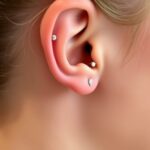
You should consider discreet, low-risk piercing locations like the earlobe, which aligns with current ear piercing trends and tends to be safer for seniors. The earlobe also holds cultural significance in many communities. Avoid cartilage piercings, which can be more painful and prone to complications. Choose a reputable piercer who uses sterile techniques to guarantee safety, and always follow aftercare instructions to keep your piercing healthy and stylish.
How Does Aging Affect Ear Healing After Piercing?
As you age, ear healing after piercing may slow down because of decreased ear tissue elasticity and changes in your immune response. You might notice longer healing times and a higher risk of infection. To help your ears heal well, keep the area clean, avoid irritating products, and follow your piercer’s aftercare instructions carefully. Taking these steps supports your body’s natural healing process despite age-related shifts.
Conclusion
Embracing an ear piercing as a senior isn’t just about style; it’s about celebrating your bold spirit. Picture your earrings catching the light, a sparkling reminder that age is just a number and self-expression knows no bounds. With proper care and safety, you can wear your new accessory with confidence. So go ahead—dare to shine, and let your style be a radiant declaration to your vibrant life journey.
Removing Piercings for Medical Procedures: When and Why
The importance of removing piercings before medical procedures lies in ensuring safety and preventing complications, but knowing when and why is crucial—continue reading to find out more.
Piercings for Kids: Age Restrictions and Parental Considerations
You’ll discover essential age restrictions and parental considerations for kids’ piercings that will help you make informed decisions together. What should you know first?