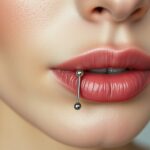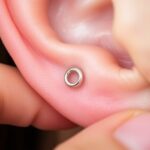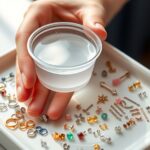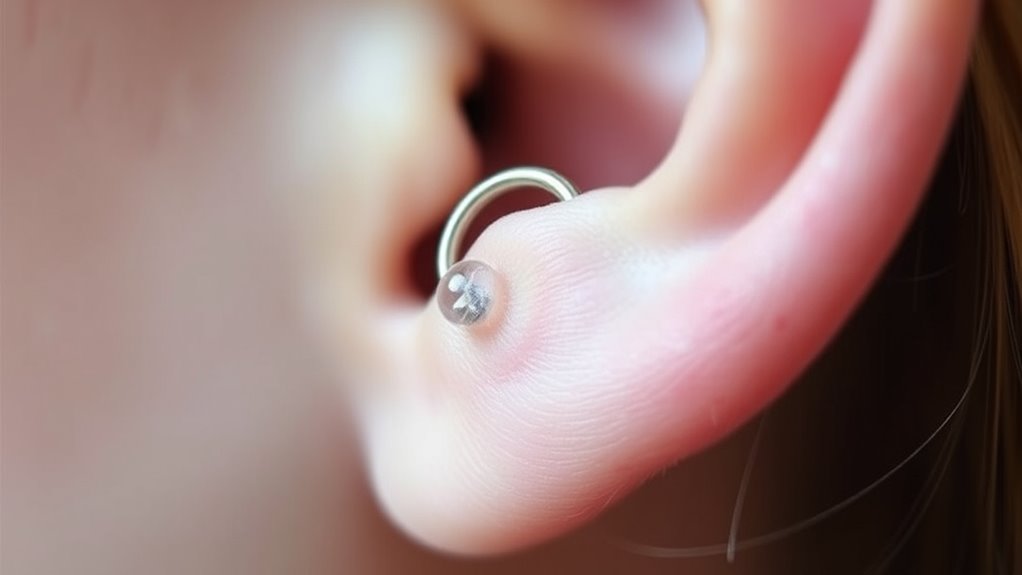

Getting a new piercing is exciting, but it’s normal to have questions. You might wonder how long it takes to heal, what signs of infection to watch for, or what jewelry is best. Remember, healing times vary depending on the placement, and proper aftercare is key. Swelling, tenderness, and crusting are common, but severe pain or redness need attention. To learn more about keeping your piercing healthy and safe, continue exploring helpful tips and guidelines.
Key Takeaways
- Expect some swelling, tenderness, and crusting; these are normal during healing.
- Use gentle saline solutions for cleaning and avoid harsh chemicals or alcohol.
- Healing time varies: 6-8 weeks for earlobes, several months to a year for cartilage.
- Choose hypoallergenic jewelry that fits comfortably to prevent irritation.
- Seek professional advice if experiencing excessive pain, redness, pus, or signs of infection.

Are you considering a new piercing but feel overwhelmed by questions and concerns? It’s completely normal to feel a bit nervous about the process and what comes next. One of the most important things to focus on is the care aftercare you’ll need to follow. Proper aftercare is essential to guarantee a smooth healing process and to prevent infection or complications. You’ll want to clean your piercing regularly with a gentle saline solution, avoiding harsh chemicals or alcohol that can irritate the area. Remember, touching or twisting the jewelry unnecessarily can cause irritation or delay healing. It’s also vital to keep your hands clean before touching your piercing, and avoid swimming in pools, lakes, or hot tubs until it’s fully healed, as these environments can harbor bacteria.
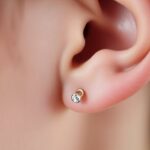
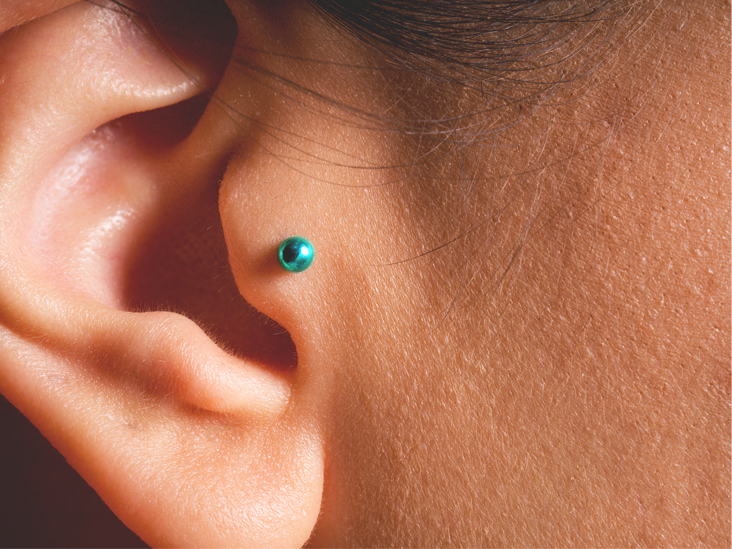
Understanding the healing process can help you stay patient and manage your expectations. The healing timeline varies depending on the location of the piercing. For example, ear lobes typically heal in about 6 to 8 weeks, while cartilage piercings might take several months—sometimes up to a year—to fully heal. During this time, you may notice some swelling, tenderness, or a little crusting, but these are normal parts of healing. However, if you experience excessive pain, redness, or pus, it’s a sign you should seek advice from your piercer or a healthcare professional. Avoid changing jewelry prematurely, as doing so can irritate the healing tissue or cause injury.
Being aware of cultural heritage can influence your choice of jewelry and healing practices, especially if you’re connecting with traditional styles or materials. You might wonder about the best jewelry to wear during the healing process. Typically, your piercer will recommend hypoallergenic materials like surgical steel, titanium, or niobium, which are less likely to cause allergic reactions. Wearing the right jewelry and ensuring it fits comfortably without putting pressure on the piercing are key to a healthy healing process. Keep in mind that each person’s body responds differently, so some might heal faster or slower than others. Being diligent with your aftercare routine and following your piercer’s instructions will give you the best chance at a quick, trouble-free healing journey.
Frequently Asked Questions
How Can I Prevent Allergic Reactions to New Piercings?
To prevent allergic reactions to your new piercing, avoid known allergen triggers like nickel and certain dyes. Opt for hypoallergenic jewelry options, such as surgical steel, titanium, or niobium, which are less likely to cause irritation. Keep your piercing clean and avoid touching it with unwashed hands. If you notice redness or swelling, consult your piercer or dermatologist promptly to prevent further complications.
What Are the Best Aftercare Products for Sensitive Skin?
For sensitive skin, choose aftercare products that are hypoallergenic and gentle. Opt for jewelry made from hypoallergenic materials like surgical steel or titanium to minimize irritation. Use gentle cleansers specifically designed for delicate skin to clean your piercing without causing dryness or redness. Avoid harsh chemicals and fragrances, and always follow your piercer’s instructions to promote healing and prevent allergic reactions effectively.
Can I Wear Makeup Around a Fresh Piercing?
You should avoid wearing makeup around a fresh piercing to prevent piercing irritation and ensure proper healing. Makeup safety is vital; using non-comedogenic, gentle products minimizes the risk of infection. Wait until your piercing is fully healed before applying makeup nearby. If you do choose to wear it sooner, be very careful, avoid applying directly on the piercing, and remove it promptly if you notice any irritation.
How Do I Handle Piercing Bumps or Keloids?
Think of your piercing bump or keloid as a stubborn neighbor refusing to leave. You can handle it with effective piercing bump remedies like silicone gels or steroid injections. For keloid scar treatment, try silicone sheets or consult a dermatologist for options like cryotherapy. Keep the area clean, avoid irritating jewelry, and don’t pick at it. Patience is key—most bumps and keloids fade with consistent care.
Are There Specific Foods to Avoid During Healing?
During healing, you should avoid foods that cause inflammation or allergies, like spicy dishes, processed snacks, and alcohol. Pay attention to your diet restrictions and food sensitivities, as they can slow down healing or trigger irritation. Stick to nutrient-rich, anti-inflammatory foods like fruits, vegetables, and lean proteins. Staying hydrated also helps your body recover faster. Always listen to your body and consult your piercer or healthcare provider if you notice any issues.
Conclusion
Getting a new piercing can feel nerve-wracking, but with proper care, it’s safe and rewarding. Remember, it’s normal to feel hesitant—just trust your piercer’s advice and give your body time to heal. If you worry about the pain, know that it’s usually quick and manageable. Embrace your new look confidently—your piercing will heal beautifully if you stay patient and attentive. Soon, you’ll love your fresh, stylish addition!