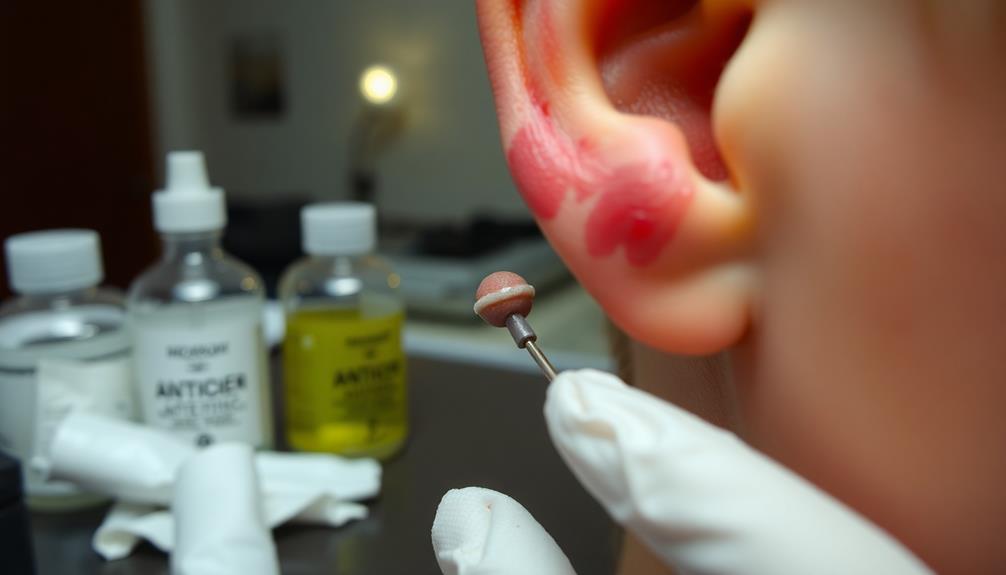
Legal regulations for piercing practices vary around the world, influenced by local laws, cultural norms, and health standards. Some countries enforce strict licensing, certification, and hygiene requirements to prevent infections, while others have more relaxed rules. Age restrictions and regular inspections help guarantee safe procedures. It’s crucial to know the specific rules in your region or when seeking piercings abroad. Continuing this exploration will reveal important details about these global standards and how they impact your safety.
Piercing regulations vary globally, influenced by cultural attitudes, health standards, and legal frameworks.
Licensing and certification ensure practitioners are trained in hygiene, anatomy, and sterilization protocols.
Strict hygiene standards mandate sterilization, disposable needles, and clean environments to minimize infection risks.
Age restrictions and parental consent laws are common, with regular inspections to ensure safety compliance.
Industry standards emphasize ongoing education, professional responsibility, and adherence to local laws for safe piercing practices.
Piercing regulations vary markedly around the world, reflecting different cultural attitudes, health standards, and legal frameworks. As you explore piercing practices in various countries, you’ll find that some regions enforce strict rules, while others adopt a more relaxed approach. Understanding these differences is essential, especially if you’re considering getting a piercing abroad or opening a piercing studio yourself. One of the key aspects of regulation concerns tattoo licensing, which often overlaps with piercing licensing in many jurisdictions. Authorities want to verify that practitioners are properly trained and certified, reducing the risk of infections and complications. Licensing processes typically require proof of training in anatomy, sterilization, and hygiene standards, making sure that artists follow established protocols to protect clients’ health. Moreover, ongoing education requirements ensure practitioners stay updated on best practices and emerging health standards. Hygiene standards play an indispensable role in ensuring safe piercing practices. In countries with rigorous regulations, you’ll notice that piercing studios are mandated to adhere to strict sterilization procedures, use disposable needles, and maintain clean environments. These hygiene standards are designed to prevent the spread of infections like hepatitis or bacterial contamination. When regulations are not enforced or are loosely applied, the risk of health issues increases markedly. That’s why it’s important to verify that the studio you choose meets the local hygiene standards—this often involves checking for certifications, cleanliness, and the use of sterile equipment. Reputable piercers often display their licensing and hygiene certifications openly, so you can feel confident that they follow mandated health protocols. In many regions, governments have established specific age restrictions and parental consent laws to guarantee minors are protected. These laws are often part of broader regulations governing tattoo licensing, which aim to regulate who can perform body modifications. Some countries require piercing studios to register with health departments or undergo regular inspections to maintain their licenses. These inspections focus heavily on hygiene standards, ensuring that practitioners aren’t cutting corners or risking client safety. If you’re a practitioner, keeping up with licensing requirements and maintaining impeccable hygiene standards isn’t just about legal compliance—it’s about building trust with your clients and safeguarding your reputation. Staying current with evolving regulations and standards is vital for ensuring safety and professionalism in the industry. Ultimately, the regulatory landscape varies, but the core principles of safety, hygiene, and professional training remain consistent worldwide. Whether you’re getting pierced or running a studio, knowing and respecting these regulations helps guarantee the experience is safe, clean, and satisfying. Staying informed about local laws and standards means you can make educated choices and advocate for safer practices across the globe.
Frequently Asked Questions
How Do Regulations Differ Between Countries?
You’ll notice that regulations differ between countries due to cultural perceptions and industry standards. Some nations enforce strict age restrictions, hygiene protocols, and licensing requirements, while others have more relaxed rules. These differences reflect local attitudes toward body modification and safety priorities. When traveling or operating internationally, you should familiarize yourself with each country’s specific laws and standards to guarantee compliance and maintain professionalism in your piercing practice.
Are There Age Restrictions for Piercings Worldwide?
Think of age restrictions as a gatekeeper at a cultural crossroads. In many countries, you must be at least 16 or 18 for piercings, with some places allowing younger teens with parental consent. Cultural considerations heavily influence these rules, reflecting local traditions and legal standards. So, always check local laws before piercing—age restrictions vary, and respecting them shows you honor different cultural practices.
What Are the Legal Penalties for Non-Compliance?
If you ignore sanitation standards or fail to meet licensing requirements, you could face serious legal penalties, including fines, license suspension, or even criminal charges. Authorities prioritize public health and safety, so non-compliance risks harm to clients and legal action against your business. To avoid penalties, guarantee you adhere to all local regulations, maintain high sanitation standards, and keep your licensing up-to-date.
Do Regulations Specify Types of Acceptable Jewelry?
Regulations often specify jewelry specifications and material standards, so you know what types of jewelry are acceptable. You should use jewelry made from hypoallergenic materials like surgical steel, titanium, or gold that meet safety standards. These rules help prevent allergic reactions and infections. Always check local laws to verify your jewelry complies with the specific regulations, and choose jewelry that adheres to the established material standards for safe piercing practices.
How Are Tattoo and Piercing Regulations Coordinated?
Think of the industry standards as a finely woven fabric, ensuring safety and consistency. You’ll find that tattoo and piercing regulations are coordinated through streamlined licensing procedures and shared guidelines, making sure practitioners meet uniform safety standards. Authorities often collaborate across sectors to harmonize rules, preventing gaps that could compromise health. This coordination helps protect clients and maintains professionalism, ensuring you get safe, quality services wherever you go.
Conclusion
Across the globe, piercing regulations vary widely, affecting how safe and accessible this art form is. Did you know that over 50 countries have strict legal requirements for piercing shops? Staying informed about local laws helps guarantee you get pierced safely and legally. Whether you’re traveling or planning to open a studio, understanding these rules can make all the difference. Always prioritize safety and compliance to enjoy your piercing experience confidently and responsibly.
Disposing of Piercing Needles and Biomedical Waste
Ineffective disposal of piercing needles and biomedical waste can pose serious health and environmental risks—discover essential safety tips to protect yourself and others.