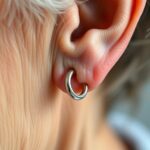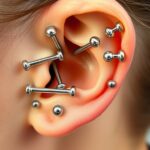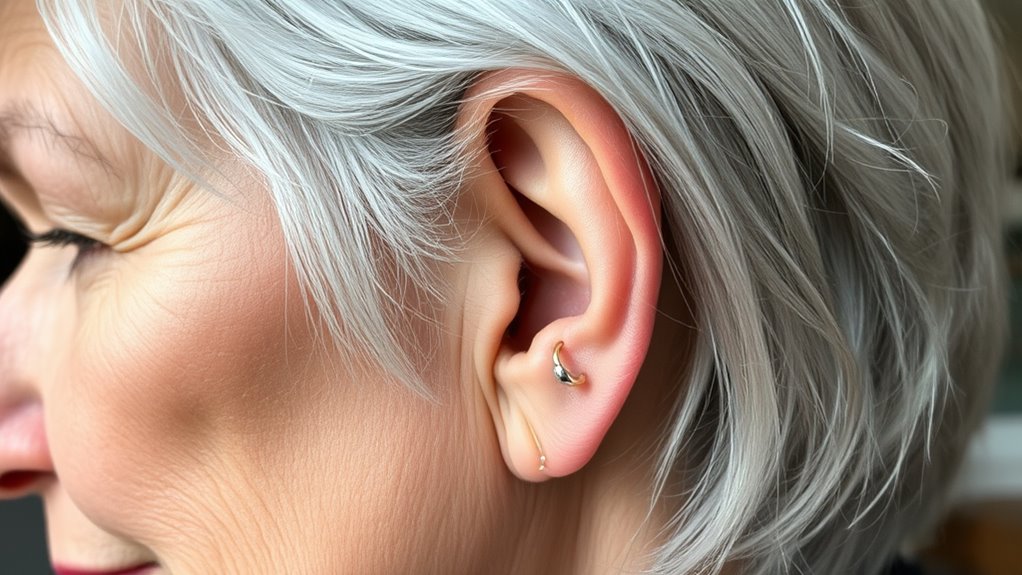

When considering piercings as an older adult, prioritize safety by consulting experienced piercers familiar with mature skin, which tends to be thinner and less elastic. Choose placement carefully, especially in areas prone to sagging or irritation, and select high-quality jewelry materials like titanium or surgical steel to reduce allergic reactions. Understand the cultural or personal meaning behind your piercing to guide your choices. To guarantee a smooth experience and lasting style, explore more about adjusting your approach for aging skin and expert tips.
Key Takeaways
- Consult experienced piercers and consider skin changes for safe placement and healing in older adults.
- Choose jewelry materials like surgical steel or titanium to prevent allergic reactions and irritation.
- Prioritize proper aftercare and hygiene to reduce infection risks due to aging skin’s slower healing.
- Select meaningful piercings that honor personal or cultural significance while considering skin elasticity.
- Regular monitoring and gentle maintenance ensure long-term safety and preserve aesthetic appeal over time.
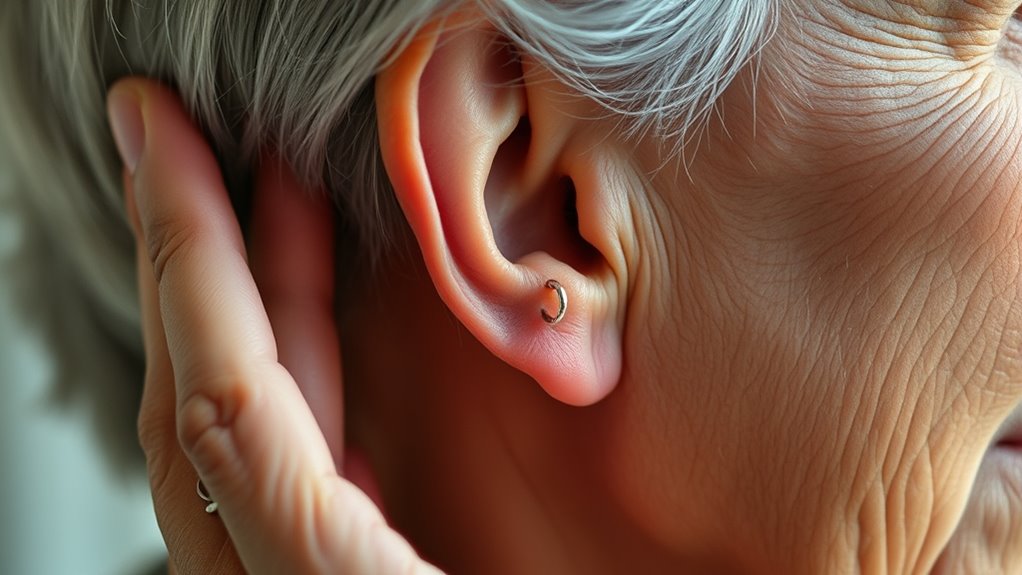
As more older adults embrace body modifications, piercings are becoming a popular way to express individuality at any age. You might find that getting a piercing isn’t just about style; it can carry deep cultural significance that resonates with your personal history or identity. Many cultures have long valued piercings as symbols of rites of passage, spiritual beliefs, or social status. Even if you’re not from a culture where piercings are traditional, choosing to get one can still symbolize self-expression, empowerment, or a desire to challenge societal expectations about aging. It’s important to consider that your skin’s characteristics change with age, which directly impacts how piercings heal and how they look over time. Aging skin tends to become thinner, less elastic, and more prone to dryness, which can affect both the placement and healing process of new piercings. You may notice that your skin’s reduced regenerative capacity means healing takes longer, and the risk of complications increases. It’s crucial to consult with a professional piercer experienced in working with mature skin to guarantee proper technique and aftercare. Proper hygiene and patience are key to avoiding infections or scarring, especially since older skin may not recover as quickly as younger skin. Additionally, understanding how skin changes with age can help you make more informed decisions about piercing options and aftercare routines. When choosing a piercing, you should think about placement carefully. Areas with thinner skin or those close to cartilage, like the earlobes or nose, may require extra attention. The cultural significance of certain piercings can influence your decision—perhaps a nose ring as a nod to cultural roots, or an ear piercing to symbolize independence. Remember, your body’s response to jewelry can differ from your younger days, so select materials like surgical steel or titanium to minimize allergic reactions. You might also want to keep in mind aesthetic considerations, as aging skin can sag or lose elasticity, affecting how a piercing looks over time. Regular maintenance, including gentle cleaning and monitoring for signs of irritation, becomes even more important as your skin ages. Ultimately, the goal is to find a balance between honoring the cultural or personal meaning behind the piercing and respecting your body’s current needs. With thoughtful planning, professional guidance, and patience, you can confidently incorporate piercings into your style, celebrating both your individuality and your life experience.
Frequently Asked Questions
Are Certain Piercings More Suitable for Older Adults?
Yes, certain piercings are more suitable for older adults. Age-appropriate piercings typically include subtle options like earlobe or cartilage piercings, which heal well and look stylish. You should choose suitable jewelry choices such as smaller, hypoallergenic studs or hoops that minimize discomfort and reduce infection risk. These options suit mature skin and personal style, ensuring you enjoy your piercing safely while maintaining an elegant, age-appropriate look.
How Does Skin Aging Affect Healing Times for Piercings?
As you age, skin elasticity decreases and collagen reduction slow healing times for piercings. These changes make your skin less flexible and less able to repair itself quickly. You might notice longer healing periods and increased sensitivity. To minimize issues, choose piercings carefully, keep an eye on healing, and follow proper aftercare. Staying vigilant helps you enjoy piercings safely, despite the natural effects of skin aging.
What Are the Best Aftercare Practices for Older Adults?
You should prioritize excellent piercing hygiene to prevent infections, especially since older adults may have slower healing. Clean the piercing with a saline solution twice daily, and avoid touching it with unwashed hands. Keep the area dry and avoid irritants like harsh chemicals. Regularly check for signs of infection, such as redness or swelling, and follow your piercer’s aftercare instructions closely to promote safe healing.
Can Existing Health Conditions Impact Piercing Safety?
Existing health conditions can considerably impact piercing safety. While you might think your age or health issues are unrelated, medication interactions and immune system considerations matter. Some conditions weaken your immune response or increase bleeding risks, making healing harder. Always consult your healthcare provider before getting pierced. By understanding how your health affects healing, you can prevent complications and enjoy your new piercing safely, embracing style without risking your well-being.
What Are the Long-Term Risks of Piercings in Seniors?
Long-term risks of piercings in seniors include ongoing infection risk and jewelry reactions. As you age, your skin becomes thinner and less elastic, making you more prone to infections if the piercing isn’t properly cared for. You might also experience allergic reactions or jewelry-related irritations over time. To minimize these risks, guarantee regular cleaning, choose hypoallergenic jewelry, and consult your healthcare provider for personalized guidance.
Conclusion
As you embrace piercings in your golden years, think of them as vibrant blooms in your personal garden—each one adding color and life. With careful care and mindful choices, you can wear your style like a badge of confidence, shining brighter than ever. Remember, your body is a canvas, and these piercings are your unique strokes of self-expression—bold, beautiful, and full of endless possibility. Let your style flourish, radiant and fearless.