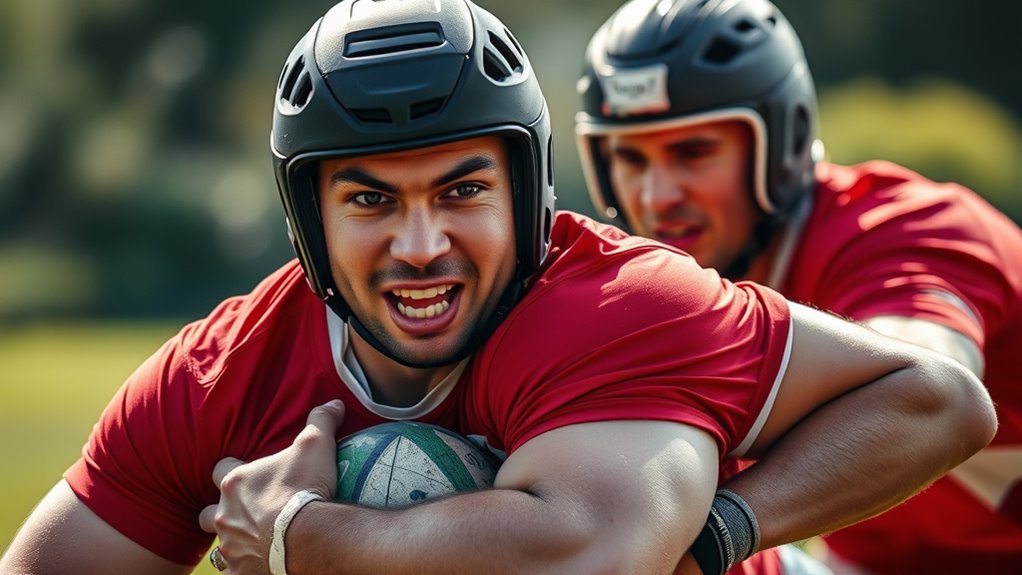

When you participate in contact sports with piercings, it’s vital to take precautions. Remove or switch jewelry to safer, impact-resistant options like surgical steel or titanium, and use protective gear such as helmets and mouthguards. Make certain your piercings are secure, and avoid wearing loose or protruding jewelry that could catch or dislodge during play. Thinking ahead can prevent injuries and long-term damage—stay informed about how to protect yourself even more as you continue.
Key Takeaways
- Consult a professional piercer or healthcare provider for safety advice before participating in contact sports.
- Use secure, sports-specific jewelry or remove piercings to reduce injury risk during physical activities.
- Wear appropriate protective gear like helmets and mouthguards, but recognize their limitations in preventing jewelry-related injuries.
- Ensure jewelry is tightly secured or replaced with safer options like surgical steel or bioplast to minimize snagging.
- Conduct a risk assessment considering your activity and piercing type to decide on best protective measures.
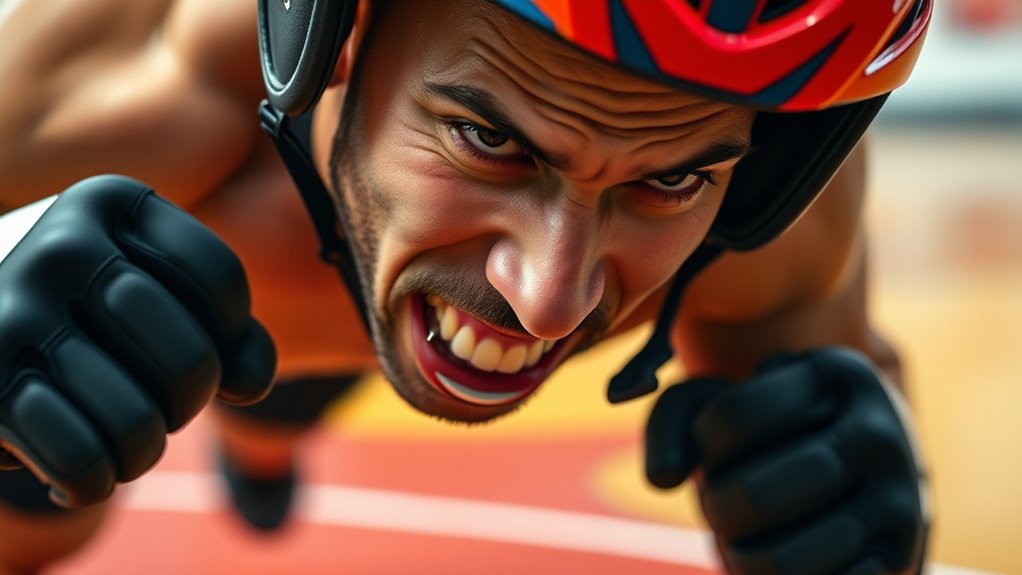
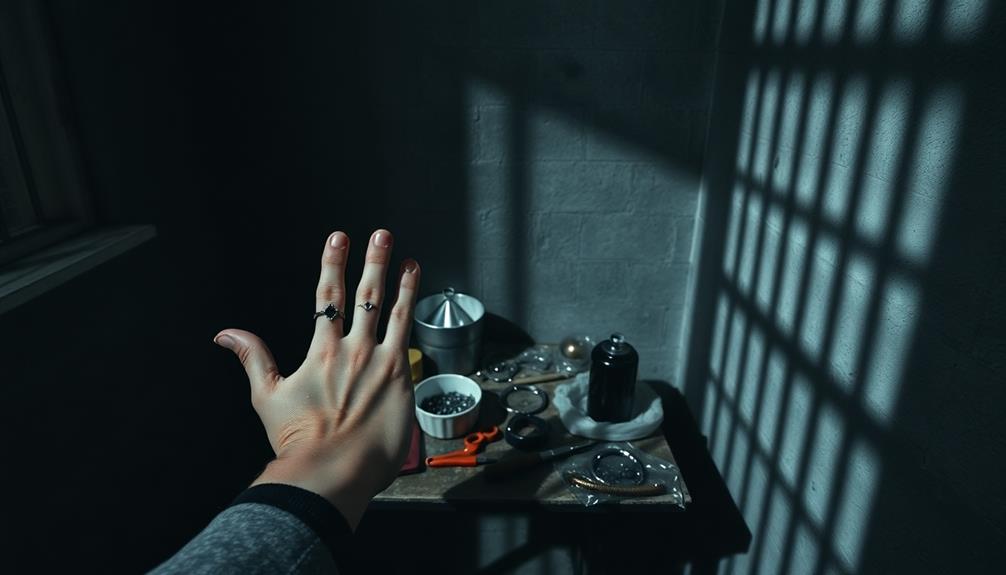
Have you ever wondered how piercings hold up during contact sports? If you’re someone with jewelry, you probably think about the potential risks involved. The first step to staying safe is conducting a thorough risk assessment. You need to evaluate how your piercing might behave during your activity. For instance, if you play football or rugby, you’re more likely to encounter impacts that could snag or dislodge your jewelry. On the other hand, if you’re into martial arts or boxing, the risk shifts to potential injury from a piercing pushing through the skin or causing tearing. Recognizing these risks helps you decide whether to keep your jewelry in or remove it altogether.
Assess risks of jewelry during contact sports to stay safe and prevent injuries or dislodged piercings.
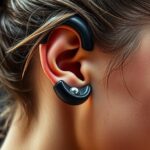
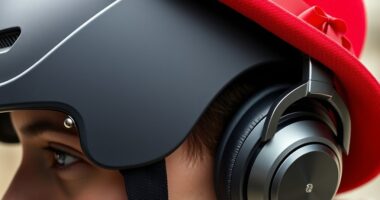
Wearing protective gear is another vital factor. Helmets, face guards, or mouthguards can provide some shielding for your jewelry, but they aren’t foolproof. You might think that a helmet will protect your ear piercings, but if the helmet shifts or doesn’t cover the ear completely, your piercing is still vulnerable. Mouthguards can prevent biting injuries, but they don’t prevent jewelry from catching or pulling during a fall or sudden movement. If your sport involves frequent contact or impacts, consider using specialized protective gear designed for jewelry. For example, some athletes opt for clear, flexible retainers or sports-specific coverings that help secure piercings and prevent them from catching or getting pulled.
It’s wise to consult with a professional piercer or your healthcare provider before jumping into contact sports with piercings. They can help assess the specific risks associated with your type of piercing and activity level. They might recommend switching to a safer jewelry material—like surgical steel, titanium, or bioplast—that’s less likely to cause irritation or tear if impacted. Sometimes, the safest option is to remove the piercing temporarily, especially if you’re unsure about the level of contact involved or if you’re dealing with fresh or healing piercings. Additionally, understanding the flushing mechanisms of your jewelry, such as secure clasps or retention features, can help prevent accidental dislodgement during vigorous activity.
Another critical aspect is planning ahead. Think about how your gear fits and whether it might inadvertently snag on jewelry. Secure loose clothing and avoid wearing jewelry that protrudes or is easily caught. During the game or training, stay attentive to your body and jewelry, and don’t hesitate to remove piercings if you notice any discomfort or risk. Remember, protecting yourself isn’t just about the sport; it’s about ensuring your safety and avoiding long-term damage or infections. So, always weigh the risks carefully and use protective gear wisely to keep your piercings safe during contact sports.
Frequently Asked Questions
Are There Specific Piercings Safer for Contact Sports?
Yes, some piercings are safer for contact sports. Ear piercings, especially lobe piercings, tend to be safer because they’re less prone to injury. Cartilage piercings, like those on the upper ear, can be more vulnerable to trauma and tearing. If you’re into contact sports, consider avoiding cartilage piercings or removing jewelry during activities to prevent injury. Always follow your piercer’s advice for safer options.
How Long Should I Wait Before Resuming Sports After Piercing?
Patience is paramount; you should wait at least 4 to 6 weeks before resuming sports after piercing. During this healing timeline, prioritize infection prevention by keeping the piercing clean and dry. Rushing recovery risks setbacks, swelling, and serious infections. Protect your health and performance by patiently pausing play, allowing your piercing to properly heal. Once fully healed, you can confidently return to contact sports, minimizing risks and maximizing safety.
Can Protective Gear Prevent Piercing Injuries During Contact Sports?
Protective gear can considerably reduce piercing injuries during contact sports by acting as a barrier against impacts. Wearing appropriate equipment, like padded headgear or face guards, enhances piercing safety and minimizes the risk of tearing or trauma. Always make certain your gear fits well and is designed for your sport. Proper use of protective gear not only safeguards your piercing but also helps you play confidently and stay injury-free.
What Signs Indicate a Piercing Infection From Sports Activity?
Like a warning bell ringing in your ears, signs of infection include redness, swelling, and increased pain around your piercing. You might notice pus or a foul odor, and your lymph nodes could swell. Infection symptoms also include fever and warmth at the site. If you observe these, it’s essential to act quickly—clean the area and see a healthcare professional to prevent further complications.
Are There Age Restrictions for Piercing Before Participating in Contact Sports?
Age restrictions for piercing timing vary depending on the type of piercing and local regulations. Usually, minors need parental consent, and some studios have minimum age limits, often around 16 or 18. It’s best to wait until you’re fully healed and of legal age before participating in contact sports. This helps reduce the risk of infection or injury, ensuring your piercing and overall health stay protected during active sports.
Conclusion
Remember, a little extra care can help you enjoy your favorite contact sports without any unwanted surprises. Keep your piercings well-protected and follow your practitioner’s advice—think of it as giving your body a gentle hug. With mindful precautions, you can confidently embrace the thrill of the game while keeping your style shining through. After all, safeguarding your well-being is the best way to let your confidence and passion truly shine.