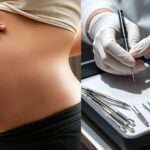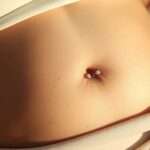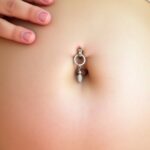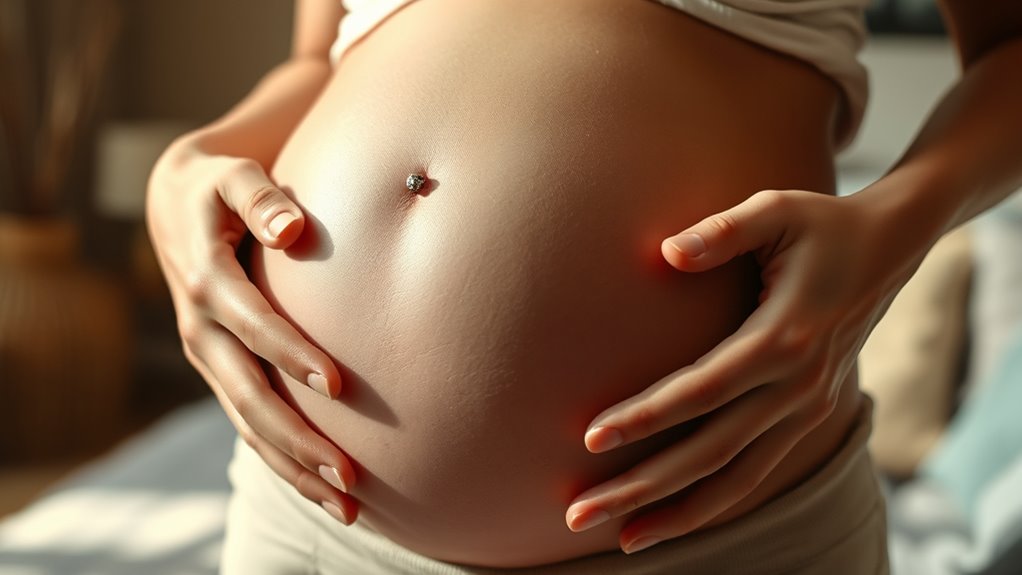

During pregnancy, hormonal and immune changes can cause existing piercings to become more sensitive, tender, or prone to irritation. You should avoid getting new piercings, as healing slows and infection risks increase. Regularly clean your piercings with gentle antiseptics, and opt for hypoallergenic jewelry to reduce reactions. It is crucial to collaborate with your healthcare provider and follow safety guidelines. Continuing with this information will help you understand how to protect your health and your baby’s well-being.
Key Takeaways
- Pregnancy hormones increase skin sensitivity and swelling, which may cause discomfort or irritation around existing piercings.
- Avoid getting new piercings during pregnancy due to infection risks and potential complications for both mother and baby.
- Regularly clean and monitor existing piercings for signs of infection, and consult a healthcare provider if issues arise.
- Use high-quality, hypoallergenic jewelry to minimize allergic reactions and skin irritation during pregnancy.
- Always consult your healthcare provider before making any changes to piercings or jewelry during pregnancy.
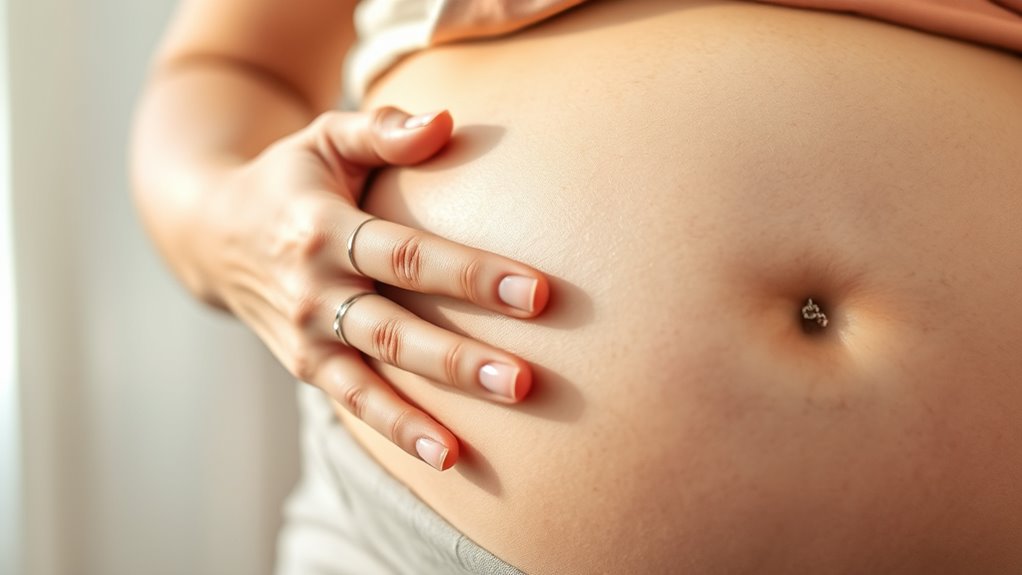
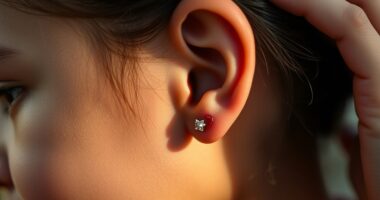
Getting a piercing during pregnancy can raise concerns about safety for both you and your baby. As your body changes, especially with the surge of pregnancy hormones, your skin becomes more sensitive and your immune system shifts. If you already have a nipple piercing, you might notice increased sensitivity or discomfort around the area. This happens because pregnancy hormones, like estrogen and progesterone, cause your blood flow to increase and your skin to become more elastic, making existing piercings potentially more tender or prone to irritation. While a nipple piercing might seem harmless, the hormonal changes can affect how your body heals and responds to jewelry, increasing the risk of infection or complications.
Pregnancy hormones can increase nipple sensitivity and affect healing, raising infection risks.
If you’re considering getting a new piercing while pregnant, it’s generally best to weigh the pros and cons before proceeding until after your baby arrives. During pregnancy, your immune system is slightly suppressed to protect your growing baby, which means your body is less capable of fighting off infections. Piercing involves puncturing the skin, which introduces a portal for bacteria. With pregnancy hormones making your skin more sensitive and your immune defenses lower, the risk of infection rises. An infected piercing can lead to more serious issues, such as abscesses or systemic infections, which could potentially harm your pregnancy.
Even if you already have a piercing, you should monitor it closely during pregnancy. The hormonal fluctuations can cause swelling, and your body’s increased blood flow can lead to more noticeable inflammation or bleeding. Keep the area clean with gentle antiseptic solutions, and avoid touching or twisting the jewelry unnecessarily. If you notice any signs of infection — redness, swelling, pain, or discharge — consult your healthcare provider promptly. They might recommend removing the jewelry temporarily to prevent further complications, especially if the piercing is in a sensitive area like the nipple.
It’s also important to consider that some materials used in jewelry, like certain metals, can cause allergic reactions or irritation during pregnancy, when your skin is more reactive. Opt for high-quality, hypoallergenic jewelry if you decide to keep your piercing, and avoid cheap or nickel-containing options. Moreover, piercing studios may have different safety protocols and hygiene standards compared to other health services, so ensure that any piercing is done in a reputable and sterile environment. Remember that your body is going through many changes, and what was comfortable before might not be during pregnancy. Always check with your healthcare provider before making any decisions about your piercings, and prioritize your health and safety for both you and your baby.
Frequently Asked Questions
Can I Get New Piercings During Pregnancy?
You can get new piercings during pregnancy, but it’s best to wait until after delivery for safety. If you do choose to get pierced, make sure you select a professional who follows strict safe healing and piercing aftercare practices. Keep in mind that your skin’s sensitivity increases during pregnancy, which can affect healing. Always consult your healthcare provider first to discuss risks and proper aftercare to prevent infection.
Are There Specific Jewelry Materials Safer for Pregnant Women?
Oh, because choosing jewelry during pregnancy isn’t complicated enough, right? You should opt for hypoallergenic metals like surgical steel, titanium, or gold to avoid irritation. These materials are safer and less likely to cause allergic reactions. Remember, even jewelry cleaning becomes more important—use gentle, non-toxic solutions to keep your jewelry safe and clean. Prioritizing these materials helps protect both you and your baby during this special time.
How Do Hormonal Changes Affect Existing Piercings?
Hormonal fluctuations during pregnancy can slow down your healing process, making existing piercings more prone to irritation or infection. You might notice increased sensitivity, swelling, or tenderness around your jewelry. To support healing, keep your piercings clean, avoid unnecessary touching, and consult your healthcare provider if you experience unusual discomfort. Being aware of these changes helps you care for your piercings effectively during this hormonal shift.
Is It Safe to Get a Piercing While Breastfeeding?
Getting a piercing while breastfeeding is like steering a calm river; it’s generally safe if you follow proper guidelines. You should prioritize breastfeeding safety and piercing precautions, choosing a professional piercer who uses sterile tools. Wait until you’re fully healed, and avoid touching or changing jewelry prematurely. Always consult your healthcare provider first to ensure your specific situation is considered, so you can enjoy your new piercing worry-free.
What Signs Indicate a Piercing Infection During Pregnancy?
If you notice redness, swelling, pus, or increased pain at your piercing site, these infection symptoms could indicate a problem during pregnancy. You might also see warmth or tenderness around the area. These signs suggest healing complications and require prompt medical attention. Don’t overlook persistent discomfort or unusual changes, as they can lead to more serious issues. Always consult your healthcare provider to ensure safe healing and avoid risks.
Conclusion
In the end, your health and your baby’s well-being come first. If you’re pregnant or planning to be, it’s wise to hold off on new piercings or to consult your doctor before getting one. Remember, it’s better to be safe than sorry—don’t let a moment of beauty turn into a long-term regret. Trust your instincts, stay informed, and prioritize your health. After all, your pregnancy is a delicate balance you don’t want to tip over.