Piercing as a Rite of Passage in Indigenous Cultures
Looking into piercing as a rite of passage reveals how indigenous cultures honor tradition, identity, and community—discover the profound significance behind these sacred practices.
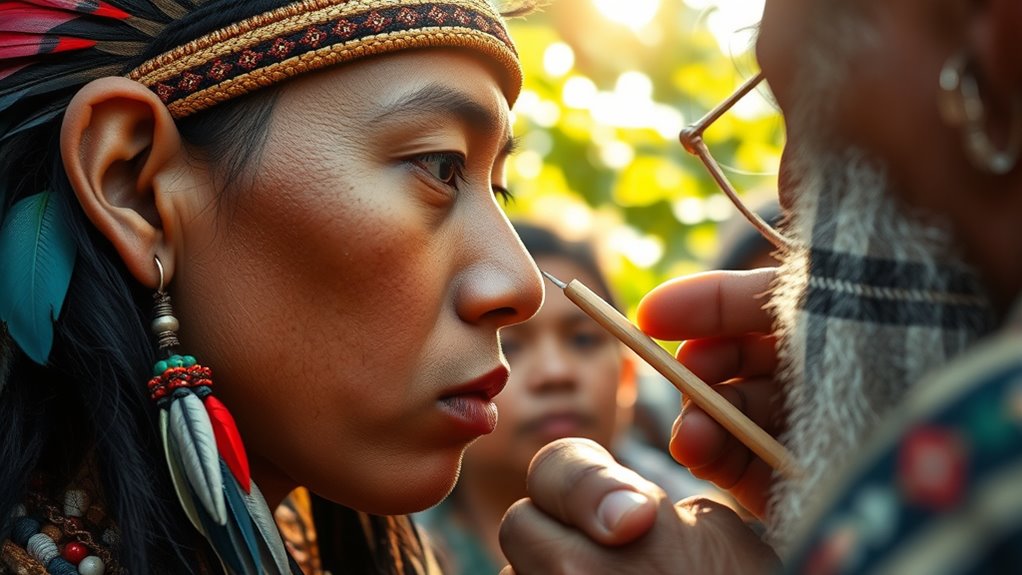
In many indigenous cultures, piercing isn’t just for decoration—it’s a powerful rite of passage marking your move into adulthood. Elders or spiritual leaders perform these ceremonies, connecting you to your community’s history and spiritual beliefs. Piercings on specific body parts symbolize your social status and responsibilities. These traditions involve rituals like storytelling and dance, helping you embrace your cultural identity. If you keep exploring, you’ll uncover how these meaningful practices sustain cultural continuity across generations.
Piercing ceremonies mark the transition from childhood to adulthood within indigenous communities.
Elders and spiritual leaders conduct rituals that symbolize social status and spiritual beliefs.
The placement of piercings signifies identity, age, and community roles.
Rituals include storytelling, dance, and communal participation, reinforcing cultural values.
These ceremonies preserve indigenous identity and connect individuals to their heritage and ancestors.
Many indigenous cultures view piercing as more than just body decoration; it serves as a powerful rite of passage that marks a person’s progression from childhood to adulthood. When you participate in these piercing ceremonies, you’re engaging in a tradition that carries deep cultural significance, connecting you to your community’s history and identity. These traditional ceremonies are often elaborate events, involving specific rituals, songs, and communal support, emphasizing the importance of the shift from youth to maturity. The act of piercing, here, isn’t merely about adornment but symbolizes a significant milestone, reflecting your readiness to take on new responsibilities and roles within your society.
Piercing as a cultural rite of passage connecting you to community, history, and identity.
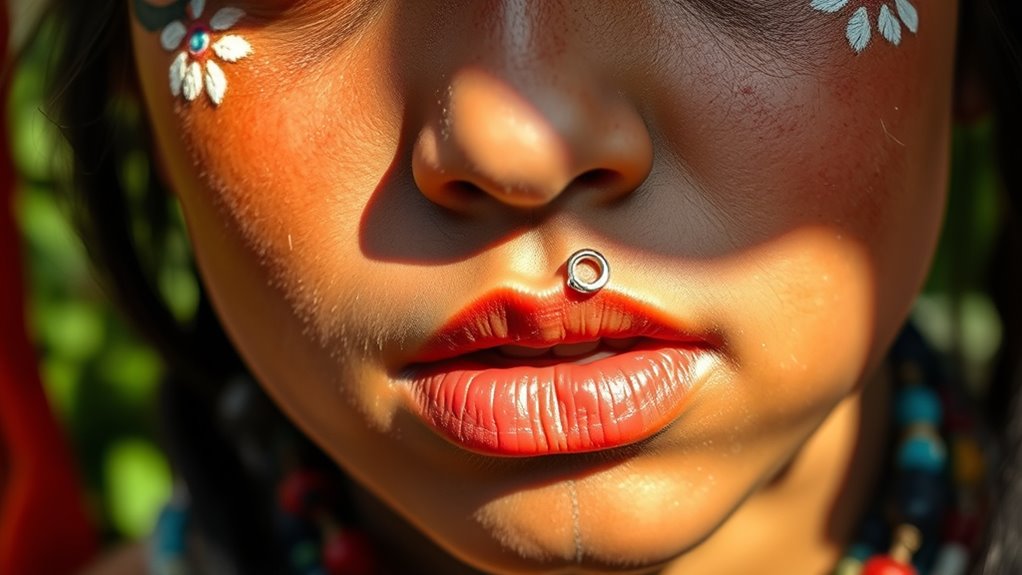
In many cultures, the process of piercing is carefully planned and performed by elders or spiritual leaders who hold deep knowledge of the cultural symbolism attached to each procedure. These ceremonies can be highly symbolic, with the placement of the piercing representing various aspects of your identity—whether it’s your social status, age, or spiritual beliefs. For example, some communities mark this change with ear piercings, which might signify your entrance into adulthood, while others use facial or body piercings that carry specific meanings tied to your community’s traditions. By undergoing these traditional procedures, you demonstrate your commitment to your cultural roots, affirming your place within the community’s collective identity.
The cultural significance of these piercing rituals is often reinforced through storytelling, dance, and communal participation, making the experience more than just a personal milestone. These ceremonies serve as a way to pass down cultural values, history, and spiritual beliefs from one generation to the next. As you participate, you’re not only marking your own growth but also reaffirming your connection to your ancestors and future generations. In some cultures, the piercing ceremony is also a public declaration of your passage, where friends and family gather to witness and celebrate your journey into adulthood.
Ultimately, these traditional ceremonies and their associated piercings are integral to maintaining the continuity of indigenous identities. They remind you that becoming an adult involves more than physical maturity—it’s about embracing your cultural heritage and responsibilities. As you go through the piercing, you’re engaging in a meaningful act that honors your community’s history and affirms your role within it. This powerful rite of passage encapsulates the essence of cultural tradition, making your transition into adulthood a shared, celebrated event rooted in centuries of meaning and purpose.
Frequently Asked Questions
How Do Indigenous Communities Prepare for Piercing Ceremonies?
You prepare for piercing ceremonies by participating in cultural storytelling and ritual initiation, which deepen your understanding of traditions. You often undergo specific rituals, like cleansing or offering prayers, to honor the cultural significance. Mentors guide you through the process, ensuring respect and safety. This preparation helps you connect with your community’s history and values, making the rite of passage meaningful and spiritually significant.
Are There Specific Symbolic Meanings Behind Different Piercing Locations?
Think of piercing locations as a map of your soul’s story, each with its own symbolic meaning. In many indigenous cultures, your choice of spot reflects your cultural significance—like a badge of honor or a mark of spiritual growth. These placements symbolize connection to ancestors, bravery, or societal roles. Every piercing becomes a living record, a colorful thread woven into the fabric of your community’s rich cultural tapestry.
What Are the Traditional Tools Used for Piercing in These Cultures?
You use traditional tools like bone needles, thorns, or sharpened stones for piercing in these cultures. These tools hold deep cultural symbolism, often representing ancestral connections or spiritual power. Their ritual significance goes beyond simple puncturing, as each tool embodies respect for tradition and the sacred meaning behind the piercing. By using these tools, you participate in a ritual that reinforces cultural identity and honors ancestral practices, making the act more than just physical.
How Do Indigenous Groups Ensure Safety and Hygiene During Piercing?
Oh, because sterile clinics are obviously too modern, indigenous groups rely on traditional sterilization methods like boiling tools and using natural antiseptics, proving their resourcefulness. Community involvement ensures everyone follows these practices, maintaining safety and hygiene during piercing. This collective effort not only preserves cultural integrity but also keeps infections at bay, showing that even ancient methods can be effective with proper care and shared responsibility.
What Are the Long-Term Cultural Impacts of Piercing Rituals?
You see that piercing rituals strengthen cultural identity and foster social cohesion within communities. These long-term impacts help individuals feel connected to their heritage and reinforce shared values. By participating in these rites, you contribute to maintaining traditions that unite generations. Over time, these practices promote pride, continuity, and a sense of belonging, ensuring that cultural stories and identities endure through collective memory and communal bonds.
Conclusion
You see, piercing as a rite of passage connects tradition to identity, symbolizes progression to adulthood, and honors cultural heritage. It’s a mark of respect, a badge of belonging, and a celebration of resilience. By understanding these practices, you honor the stories behind them, appreciate their significance, and recognize their power to unite communities. Embrace these traditions, respect their meaning, and remember that piercing is more than decoration—it’s a profound expression of cultural identity.
An exploration of how piercing evolved from ancient symbols to a mainstream fashion trend reveals a fascinating cultural transformation worth discovering.
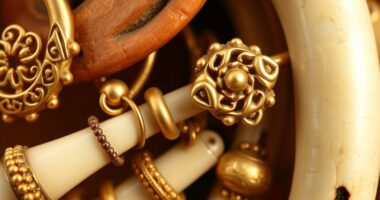
Gold and bone piercings have historically symbolized wealth, spirituality, and social status, revealing fascinating cultural stories worth exploring further.