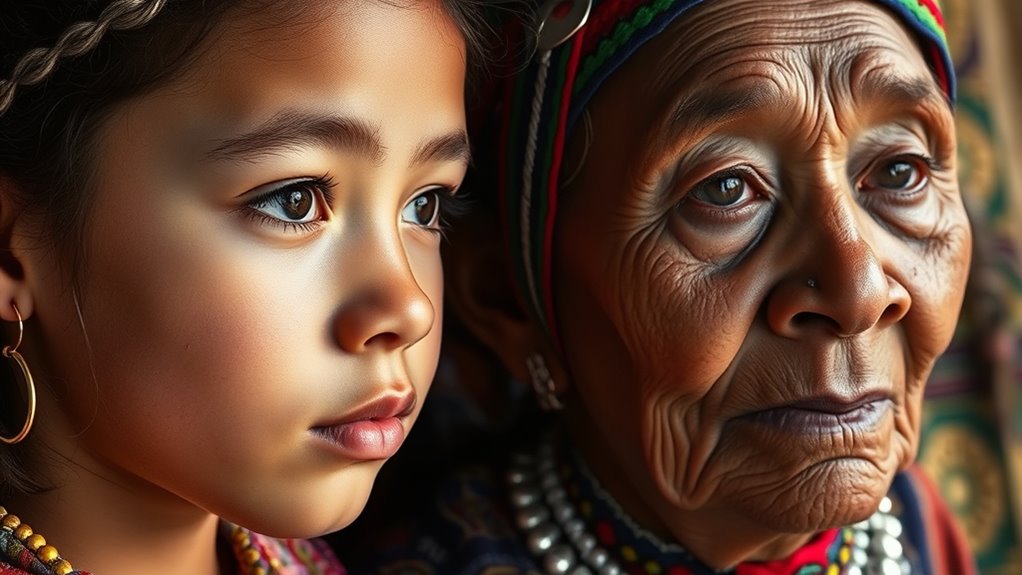
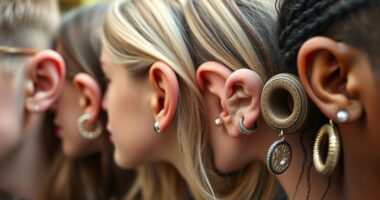
Across cultures, piercing traditions mark important life stages, like reaching adulthood or starting a new role. You might see ear piercings symbolizing coming of age in some African tribes or lip piercings as a rite of passage among certain communities. Rituals often involve ceremonies that connect individuals to their heritage. Whether traditional or modern, these piercings carry deep cultural meanings and evolve over time—discover how these stories continue to influence personal expression today.
Piercings often mark transitions from childhood to adulthood, symbolizing maturity and social status in many cultures.
Ritualistic ceremonies accompany piercings, reinforcing cultural identity and celebrating significant life milestones.
Traditional practices incorporate elaborate rituals and symbolic jewelry during key life stages across diverse societies.
Modern adaptations blend cultural symbolism with personal expression, maintaining traditional meanings while embracing contemporary styles.
Piercings serve as rites of passage, connecting individuals to their community and cultural heritage through meaningful adornment.
Throughout history, piercing has served as a powerful symbol of cultural identity, spiritual beliefs, and social status across diverse societies. It’s more than just adornment; it’s a meaningful expression woven into the fabric of many cultures’ traditions. As you explore these practices, you’ll see how piercings mark significant life stages—becoming rites of passage that connect individuals to their community and heritage. In many cultures, a piercing isn’t simply about aesthetics but a reflection of deeper values, spiritual journeys, or societal roles. For example, in some African tribes, ear and lip piercings signal a person’s shift from childhood to adulthood, symbolizing maturity and readiness for greater responsibilities. These traditions often carry elaborate rituals, emphasizing their importance beyond mere decoration. Incorporating traditional practices into modern life can also serve as a way to reinforce cultural resilience and identity in contemporary society.
Piercings as rites of passage symbolize growth, maturity, and cultural identity across diverse societies.
In contemporary times, the concept of piercing has evolved, blending traditional significance with modern adaptations. Today, you might see people getting piercings not only to honor cultural roots but also as a form of personal expression or fashion statement. Modern adaptations often incorporate elements of Western style while still respecting the original cultural symbolism. For instance, a young person might choose a nose or ear piercing inspired by traditional practices, but with a contemporary twist—using unique jewelry, colors, or placement that resonate with their personality. This blending creates a dynamic dialogue between past and present, allowing cultural symbols to persist and adapt within modern society.
You may also notice how piercing becomes a marker of important milestones, such as reaching a certain age or achieving a personal goal. In some cultures, a piercing can symbolize a rite of passage, like the initiation into adulthood or the transition into a new social role. These practices often involve ceremonies, making the piercing more than just an individual choice but a communal event that reinforces cultural identity. Even in places where traditional customs have faded, modern adaptations keep the spirit alive—people continue to wear piercings that echo their cultural stories, sometimes infused with personal meaning. Embracing these traditions can foster a sense of community and belonging that transcends generations.
Ultimately, piercing across different life stages reveals a fascinating interplay between tradition and innovation. You can see how cultural symbolism persists through modern adaptations, allowing individuals to honor their heritage while embracing contemporary styles. Whether it’s a ritualistic scarification or a trendy ear cuff, these practices serve as a visual language—telling stories of growth, belonging, and identity that transcend time. As you consider your own journey with piercings, remember that each one can carry a story rooted in history, yet open to personal interpretation and modern expression. Recognizing the significance of traditional practices can deepen your appreciation for the cultural narratives embedded in personal adornment.
Frequently Asked Questions
How Do Piercing Rituals Symbolize Social Status in Various Cultures?
Piercing rituals often serve as symbols of social status by reflecting your cultural identity and reinforcing social hierarchy. When you undergo specific piercings, you showcase your belonging to a particular group or class. In many cultures, the complexity or location of piercings signals your rank, age, or achievements. These rituals communicate your position within society, helping others recognize your social standing and cultural role through visual cues.
Are There Specific Age Restrictions for Piercings in Traditional Societies?
In many traditional societies, age restrictions for piercings are like gates that keep cultural norms in check. You’ll find that specific ages are set for different piercings, often with rituals marking the right time. These rules protect young ones and uphold societal values. So, yes, age restrictions exist, shaping when and how people participate in these meaningful customs, ensuring they’re respected and passed down through generations.
How Do Cultural Beliefs Influence the Choice of Piercing Locations?
Cultural beliefs greatly shape your choice of piercing locations through cultural symbolism and aesthetic preferences. You might choose a specific spot to honor traditions, signify social status, or express identity. For example, certain tribes believe piercings symbolize maturity or spiritual connection, while others prefer locations based on aesthetic appeal. Your decision reflects your cultural values, blending symbolism and personal style to communicate who you are within your community.
What Are Common Aftercare Practices in Traditional Piercing Ceremonies?
You’re about to discover the secret behind enduring traditions—care practices that preserve the tradition’s meaning. During traditional piercing ceremonies, healing rituals and hygiene practices are essential. You’ll be instructed to keep the piercing clean, often with specific antiseptics, while performing healing rituals that symbolize respect and renewal. These practices not only ensure proper healing but also deepen your connection to cultural roots, making your experience meaningful and lasting.
How Have Modern Influences Affected Traditional Piercing Customs?
Modern influences like global fashion and social media have substantially shaped traditional piercing customs. You’re now more exposed to diverse styles and trends, which encourage you to personalize your piercings beyond cultural norms. Social media platforms showcase new techniques and designs, making you more experimental. This fusion of tradition and modernity allows you to embrace unique expressions while still honoring cultural roots, creating a dynamic and evolving piercing culture worldwide.
Conclusion
As you explore these piercing traditions, remember they’re like the tiny, shining stars guiding each life stage’s unique story. Each piercing symbolizes more than adornment—it’s a mark of identity, growth, and connection. Like a delicate thread woven through generations, these customs remind you that your journey is part of a vibrant, shared tapestry. Embrace these symbols, for they illuminate the rich, diverse path your culture and life stories create together.
Piercings for Kids: Age Restrictions and Parental Considerations
You’ll discover essential age restrictions and parental considerations for kids’ piercings that will help you make informed decisions together. What should you know first?
Growing With Gauges: Stretching Lobes From Teens to Thirties
Meticulously growing with gauges from your teens to thirties involves patience and care, revealing the true journey behind this transformative process.