In schools and the military, policies often restrict piercings to maintain discipline, professionalism, and uniformity. Schools usually limit visible piercings to reduce distractions, while the military emphasizes a polished appearance by requiring piercings to be removed or covered. However, some institutions recognize cultural and religious significance, offering accommodations. To understand how these standards balance tradition, identity, and order, you’ll find valuable details as you explore further.

Get beauty and skincare favorites delivered free with Prime
- Fast, free delivery on millions of items
- Prime Video, Amazon Music and more included
- Member-only deals all year
Key Takeaways
- Schools and the military enforce dress codes to maintain discipline, safety, and uniformity, often restricting visible piercings.
- Piercing restrictions in schools aim to minimize distractions but may conflict with students’ cultural or personal expression.
- Military standards prioritize professionalism and cohesion, typically prohibiting visible piercings but allowing religious or cultural exceptions.
- Cultural and religious significance of piercings are sometimes recognized and accommodated within school and military policies.
- Balancing discipline with respect for cultural identity remains a key challenge in regulating piercings in these environments.

Many workplaces have strict rules about wearing uniforms, but when it comes to piercings, opinions can vary widely. In environments like schools and the military, dress code enforcement plays a vital role in maintaining discipline and uniformity. Piercings often become a point of contention because they challenge the guidelines designed to promote a professional or cohesive appearance. However, it’s important to recognize that piercings can also serve as a form of cultural expression. For some individuals, these adornments aren’t just fashion statements but meaningful symbols tied to their heritage or personal identity.
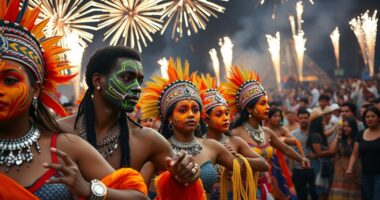
In schools, dress code policies typically aim to create a distraction-free learning environment and foster equality among students. Many educational institutions impose restrictions on visible piercings, especially nose rings, facial studs, or multiple earrings, citing concerns about safety and conformity. While these rules are enforced consistently, they sometimes clash with students’ desire to express their cultural backgrounds or individuality. For instance, certain cultures consider facial piercings sacred or traditional, and banning them might be viewed as dismissive of cultural expression. Schools often walk a fine line, trying to balance respect for diversity with the need for a focused educational setting, leading to ongoing debates about whether restrictions unfairly suppress cultural identity. Additionally, research shows that colorful piercings can enhance personal identity and cultural pride for many individuals.
In the military, dress code enforcement is even more rigid. Military standards emphasize discipline, uniformity, and professionalism, which often means strict regulations against visible piercings or body modifications. Recruits are typically required to remove or cover piercings during training and service. While some argue that this strict enforcement guarantees cohesion and discipline, others see it as a suppression of personal expression. Still, the military recognizes the importance of respecting individual identity in other ways, allowing certain cultural or religious piercings during specific circumstances or ceremonies. This approach demonstrates an understanding that while uniformity is a priority, cultural expression remains significant and can be accommodated thoughtfully within the structure.
nose piercing cover for military uniform
As an affiliate, we earn on qualifying purchases.
As an affiliate, we earn on qualifying purchases.
Frequently Asked Questions
Are There Any Exceptions for Religious Piercings in Schools or Military?
Yes, you can often get religious exemptions for piercings in schools or the military, respecting cultural considerations. If your faith or cultural beliefs include specific piercings, you should request an accommodation. Schools and military organizations typically review such requests on a case-by-case basis, aiming to balance safety and respect for religious practices. Be prepared to provide documentation or proof of your religious or cultural reasons for the exemption.
How Do Piercings Affect Military or School Disciplinary Actions?
Piercings can lead to dress code violations, which may result in disciplinary consequences in both school and military settings. If your piercings don’t comply with the dress code, you could face warnings, suspension, or other sanctions. In the military, non-compliance with uniform standards, including piercings, might result in counseling or corrective measures. Always check specific policies to avoid disciplinary issues related to piercings.
Can Students or Cadets Wear Temporary Piercings During Events?
You can usually wear temporary piercings during events, but it depends on the specific policies. Many schools and military cadet programs permit temporary piercings, assuming they don’t violate dress code or safety rules. It’s best to verify event policies beforehand, as some institutions may have strict standards even for temporary accessories. Always confirm with organizers to ensure your temporary piercings align with their guidelines.
Are There Specific Guidelines for Piercing Placements on Uniforms?
Yes, there are specific guidelines for piercing placement on uniforms. You should verify that piercing placement aligns with uniform standards, meaning piercings are typically discreet and do not interfere with the uniform’s appearance or safety protocols. Follow your institution’s dress code policies closely, keeping piercings placed in areas that are concealed or deemed appropriate, so your appearance remains professional and compliant with the established uniform standards.
How Do Cultural or Traditional Piercings Influence Uniform Policies?
Cultural expressions and traditional adornments often serve as powerful symbols, representing identity and heritage. When it comes to uniform policies, these piercings influence standards by prompting institutions to contemplate respect for cultural diversity. You might find that certain traditional piercings are accepted or accommodated, reflecting a recognition of their significance. Ultimately, policies aim to balance uniformity with honoring cultural and traditional adornments, fostering inclusivity while maintaining discipline.
Conclusion
Think of school and military standards as the sturdy trees in a vast forest, their branches stretching out in uniformity. Piercings and unique styles are like colorful leaves that catch the sunlight, adding beauty but sometimes disrupting the harmony. By respecting these standards, you help keep the forest strong and balanced. Remember, your choices are like leaves—beautiful on their own, but part of a larger, unified canopy that supports everyone beneath it.
Halloween Picks
halloween
As an affiliate, we earn on qualifying purchases.