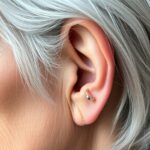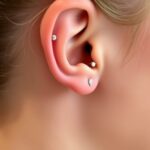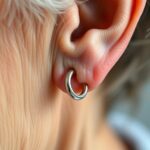
When considering piercings as an athlete, your age plays a key role in healing and care requirements. Younger individuals tend to recover faster but might be tempted to touch or play with their piercings, while older athletes might experience slower healing and need extra attention. Proper planning, jewelry choices, and aftercare are essential to minimize disruption and prevent complications. Keep exploring to discover how to optimize your piercing journey at any age.
Key Takeaways
- Younger athletes tend to heal faster but may be tempted to touch piercings, requiring careful aftercare and supervision.
- Older athletes may experience slower healing, necessitating tailored aftercare and more cautious activity resumption.
- Location and jewelry choice should prioritize minimal training disruption and injury risk across all age groups.
- Age-related skin and immune changes influence healing speed and aftercare routines for piercings.
- Proper planning and risk management ensure safe piercing experiences suitable for athletes at any age.
Getting piercings as an athlete involves considering not just personal style but also your age and physical activity level. These factors play a pivotal role in how well your body can handle the piercing process and recover afterward. For athletes, risk management is essential; you need to understand how your sport and daily routines could impact healing and the likelihood of complications. Picking the right piercing location and jewelry type can minimize disruptions to your training schedule and reduce the chance of injury or infection. It’s important to follow strict healing protocols, which include keeping the piercing clean, avoiding excessive movement, and steering clear of activities that could cause trauma to the area. Especially if you participate in contact sports, you must be vigilant about protecting the piercing site during play, as blows or friction can cause irritation or delay healing.
Your age influences not only your skin’s elasticity and immune response but also your approach to aftercare. Younger individuals may heal faster but might also be prone to touching or playing with new piercings out of curiosity. Older athletes, on the other hand, might experience slower healing due to age-related changes in skin and immune function. Regardless of age, it’s essential to discuss your athletic routines with your piercer. They can recommend specific jewelry, such as hypoallergenic materials, that are less likely to cause allergic reactions or irritation during vigorous activities. They will also emphasize the importance of following healing protocols strictly, which might include avoiding swimming pools, hot tubs, or gyms for a certain period to prevent infection.
If you’re active, you’ll want to plan your piercing schedule around your training calendar. Giving yourself ample time for healing before returning to intense activities helps prevent setbacks. During this period, you should pay extra attention to risk management—wear protective gear if necessary, avoid unnecessary pressure on the piercing, and monitor for signs of infection like redness, swelling, or discharge. Proper aftercare routines, like gentle cleaning with saline solution and avoiding harsh chemicals, are non-negotiable steps to ensure smooth healing. Remember, patience is key; rushing back into strenuous activity too soon can jeopardize the healing process and cause persistent issues. By understanding how your age and activity level influence healing, and by committing to good risk management and healing protocols, you set yourself up for a successful piercing experience that aligns with your athletic lifestyle.
Frequently Asked Questions
Are There Specific Piercings Better Suited for Contact Sports?
For contact sports, steer clear of piercings that risk snagging or injury. You should opt for jewelry materials like surgical steel or titanium, which are safe and less likely to cause irritation. Choose piercings placed in less exposed areas, such as the ear cartilage or discreet body parts, to minimize injury risks. Always consult with a professional piercer to guarantee proper placement and jewelry choice for your athletic activities.
How Does Age Affect Healing Times for Athletic Piercings?
Did you know that age can considerably impact healing times for athletic piercings? Younger individuals typically recover faster due to better cell regeneration, while older athletes may experience longer healing periods. Age-related healing variations are influenced by reduced collagen production and slower immune responses. The impact of athletic activity, like sweating and trauma, can further delay healing, so you should adjust your care routine based on your age to promote quicker recovery.
Can Athletes Wear Sports Equipment Comfortably With New Piercings?
Yes, you can wear sports equipment comfortably with new piercings if you prioritize ear protection and sweat management. Use soft, hypoallergenic ear protection to prevent irritation and reduce pressure on your piercings. Keep sweat away from the area with moisture-wicking headbands or gear. Take extra care during intense activity, and consider delaying strenuous sports until your piercings are fully healed to avoid discomfort or infection.
What Are the Risks of Infection for Young Athletes With Piercings?
You face a higher risk of infection if you don’t follow proper hygiene practices, especially as a young athlete. Your immune response isn’t fully developed yet, making it harder for your body to fight off bacteria around new piercings. To reduce risks, clean your piercings regularly, avoid touching them with unwashed hands, and steer clear of swimming pools or hot tubs until healed. Proper care keeps you safe and healthy.
Are There Recommended Aftercare Routines for Athletes With Piercings?
Yes, there are recommended aftercare routines for athletes with piercings. You should focus on post piercing hygiene by gently cleaning your piercing with saline solution twice daily, especially after sports. Avoid touching it with dirty hands, and keep it dry during your activities. Incorporate sports-specific aftercare by protecting the piercing during exercise and avoiding unnecessary contact to reduce infection risk. Consistent care helps promote healing and prevents complications.
Conclusion
Whether you’re an aspiring young athlete or an experienced pro, understanding piercing safety at different ages is essential. Did you know that over 70% of athletes report avoiding piercings during peak training seasons? By choosing the right age and proper aftercare, you can enjoy your piercing without compromising your performance. Stay informed and prioritize health—your body and game will thank you for it.