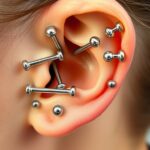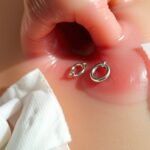
To prepare for your piercing appointment, make sure your skin is clean and free of lotions or oils, and wear loose, comfortable clothing. Research proper aftercare routines and choose high-quality jewelry materials like surgical steel or titanium. Bring any required IDs and ask questions to clarify doubts. Arrive calm and focused, and follow your piercer’s instructions. If you keep this checklist in mind, you’ll set yourself up for a smooth experience and successful healing.
Key Takeaways
- Research proper aftercare routines and avoid harsh cleansers before your appointment.
- Select high-quality, appropriately sized jewelry that is smooth and simple to prevent irritation.
- Clean the skin and wear loose, comfortable clothing to reduce pressure and ensure a clean environment.
- Bring necessary identification, arrive relaxed, and prepare questions for your piercer.
- Confirm appointment details, follow pre-appointment instructions, and choose a reputable, clean studio.
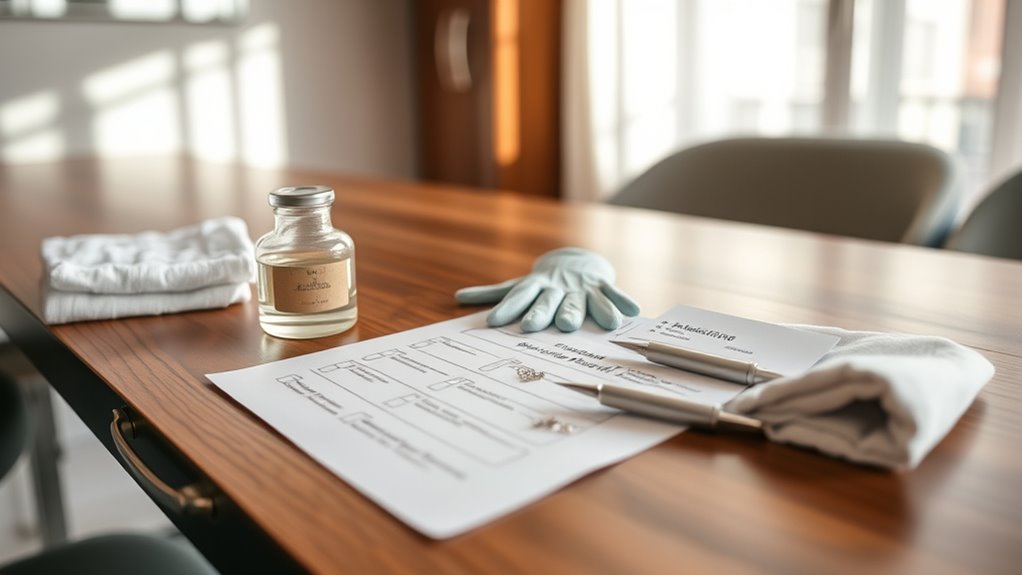
Getting ready for your piercing appointment can help guarantee the process goes smoothly and reduces your anxiety. Preparing ahead of time ensures you’re informed about what to expect and how to care for your new piercing. One important aspect is understanding piercing aftercare; knowing how to properly clean and maintain your piercing will promote healing and prevent infections. Before your appointment, research the specific aftercare routines recommended for your piercing type, and ask your piercer any questions you might have. This way, you’ll feel more confident about caring for your new jewelry once it’s in place. Taking the time to learn these routines also helps you avoid common mistakes, like using harsh cleansers or touching your piercing with dirty hands. Familiarity with piercing aftercare is essential for a smooth healing process.
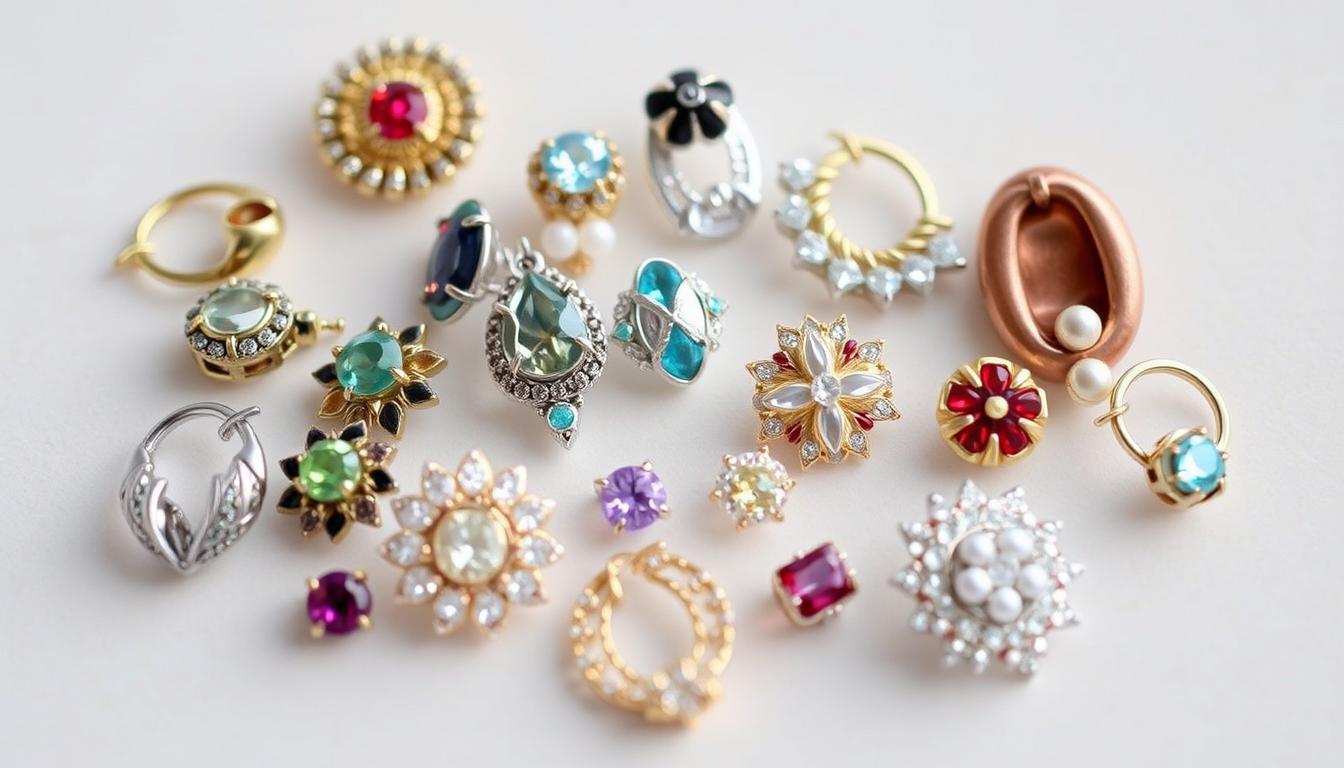
Jewelry selection tips are equally essential during your preparation. When choosing jewelry, opt for high-quality materials like surgical steel, titanium, or niobium, which are less likely to cause allergic reactions or irritation. It’s best to choose jewelry that’s appropriately sized—neither too tight nor too loose—to minimize discomfort and prevent migration or embedding. Consider styles that are smooth and simple, avoiding sharp edges or protrusions that could irritate your skin. If you’re unsure about what jewelry is best, consult your piercer beforehand, as they can guide you towards options that suit your anatomy and lifestyle. Remember, some piercings are more sensitive to the initial jewelry, so selecting hypoallergenic pieces can make a big difference during healing.
In addition to jewelry choices, make sure your skin is clean and free of lotions, perfumes, or oils on the day of your appointment. Wearing loose, comfortable clothing can help you avoid unnecessary pressure on your new piercing afterward. Arriving with a clear mind and a list of questions will help you communicate effectively with your piercer, ensuring you get the right advice for your specific piercing. It’s also wise to schedule your appointment at a reputable studio with a clean environment and trained professionals. This reduces the risk of infection and guarantees you receive quality care from experienced staff.
Finally, bring along any documentation or identification your piercer requests, and follow their pre-appointment instructions closely. Preparing thoroughly not only makes the process smoother but also sets you up for successful healing. With the right mindset, proper jewelry selection, and knowledge of piercing aftercare, you’ll feel more in control and ready to enjoy your new body art.
Frequently Asked Questions
What Should I Do if I Have a Skin Allergy Before Piercing?
If you have a skin allergy, you should inform your piercer beforehand. They can help with allergy management by recommending hypoallergenic jewelry, like surgical steel or titanium. Avoid wearing any products that might trigger your allergy before the appointment. Make sure your skin is clean and free of lotions or perfumes. Following these steps minimizes irritation and helps ensure a smooth piercing experience, protecting your skin from allergic reactions.
Can I Eat Before My Piercing Appointment?
Yes, you can eat before your piercing appointment, but keep it light and avoid heavy or greasy foods that might upset your stomach. Follow food restrictions your piercer recommends, and stay well-hydrated with water. Hydration tips include drinking plenty of water the day before and on the appointment day to help your body stay calm and reduce dizziness. This guarantees you’re comfortable and ready for your piercing.
How Long Should I Avoid Blood Thinners Before Piercing?
Think of blood thinners as a river running too fast—if you don’t slow it down, it can cause flooding. To avoid complications, you should stop blood thinner precautions at least 5-7 days before your piercing. Timing your medication is vital, so consult your doctor for personalized advice. This way, your blood flow stays steady during the procedure, reducing bleeding risks and ensuring a smoother, safer experience.
Is It Safe to Pierce if I Have a Cold or Illness?
It’s not safe to get a piercing if you’re sick because your immune response is compromised, which can hinder the healing process. When you’re ill, your body focuses on fighting the illness, making it harder to recover from a piercing and increasing infection risk. It’s best to wait until you’re fully healed and feeling well to guarantee proper healing and reduce complications. Prioritize your health for a safe, smooth piercing experience.
What Are the Best Ways to Soothe Pain After Piercing?
To soothe pain after your piercing, you should focus on effective pain relief and calming techniques. You can apply cold packs to reduce swelling, use saline solutions to keep the area clean, and avoid touching or twisting the jewelry. Additionally, taking over-the-counter pain relievers, practicing gentle cleansing, and avoiding irritants help ease discomfort. These comforting techniques promote healing and ensure your piercing remains comfortable and protected during recovery.
Conclusion
Remember, preparation is key to a smooth piercing experience. Double-check your checklist, arrive with clean skin, and follow your piercer’s advice. Trust the process, and don’t rush things—patience pays off. As the saying goes, “A stitch in time saves nine,” so taking these small steps now guarantees your new piercing heals beautifully and lasts a lifetime. Stay prepared, stay confident, and enjoy your fresh new look!