During your piercing healing, avoid nickel jewelry, cheap alloys, or anything with coatings, as these can cause irritation or infections. Steer clear of harsh soaps, alcohol-based cleansers, and strongly scented products that can dry out or damage sensitive tissue. Don’t touch or rotate your jewelry with dirty hands or unsterilized tools. Using proper materials and care will promote faster healing. Keep going to discover more tips for safe healing and what products you should steer clear of.
Key Takeaways
- Avoid jewelry made of nickel, cheap alloys, or non-hypoallergenic metals that can cause irritation or prolong healing.
- Do not use hydrogen peroxide, alcohol-based cleansers, or harsh chemicals that damage delicate tissue.
- Stay away from soaps, body washes, or cleansers with strong fragrances, dyes, or irritating ingredients.
- Refrain from touching or rotating jewelry with unclean hands or using unsterilized tools.
- Avoid plastic, painted, or non-biocompatible jewelry not specifically designed for healing piercings.
When you’re healing from a piercing, what you use around the area can make a big difference in how quickly and smoothly it heals. One of the most important things to consider is the jewelry material you choose. Not all metals are safe for healing piercings, and certain materials can cause irritation or allergic reactions. For example, avoid jewelry made from nickel or cheap alloys, as they often contain irritants that can prolong healing or lead to infection. Instead, opt for hypoallergenic options like surgical stainless steel, titanium, or niobium, which are less likely to cause issues. These materials are biocompatible and gentle on healing tissue. Additionally, steer clear of jewelry with coatings, paints, or plastic parts that may chip or harbor bacteria, increasing the risk of complications.
Choose hypoallergenic jewelry like surgical steel or titanium to ensure safe healing and avoid irritation.
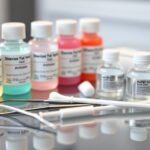
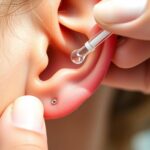
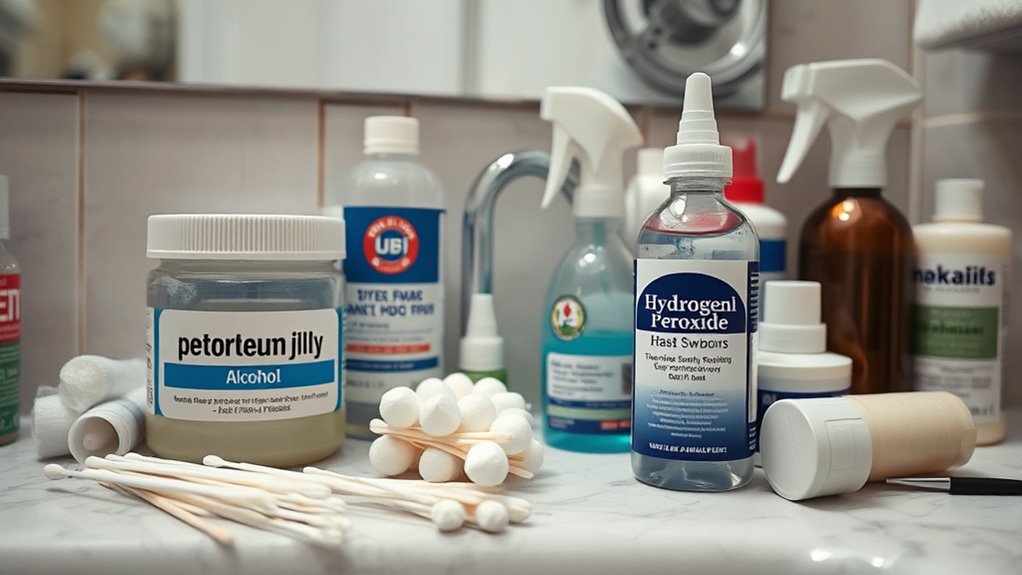
Along with jewelry materials, what you use for aftercare solutions also plays a crucial role. Many over-the-counter products contain harsh chemicals, fragrances, or alcohol that can irritate a fresh piercing. Avoid using hydrogen peroxide or alcohol-based cleansers, as they can dry out and damage the delicate tissue, delaying healing. Instead, choose gentle saline solutions or specially formulated piercing aftercare solutions. These help keep the area clean without causing unnecessary dryness or irritation. Be cautious with antibacterial ointments or creams unless recommended by your piercer; some can trap bacteria or clog the piercing, leading to infections or bumps.
Another product to avoid during healing is harsh soaps or body washes with strong fragrances and chemicals. These can irritate the piercing site, causing redness, swelling, or even allergic reactions. Keep the area clean with mild, fragrance-free cleansers and avoid excessive scrubbing. Also, steer clear of piercing aftercare solutions that contain dyes, alcohol, or other irritating additives. Stick to products specifically designed for piercing care, as they’re formulated to promote healing without causing additional trauma.
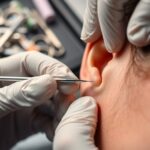
Finally, avoid touching or rotating your jewelry unnecessarily, especially with unclean hands or dirty tools. Using the wrong products or mishandling the piercing can introduce bacteria and delay healing. By choosing jewelry materials wisely and sticking to gentle, appropriate aftercare solutions, you give your piercing the best chance to heal quickly and without complications. Remember, patience and proper care are key to a healthy, beautiful piercing.
Frequently Asked Questions
Can I Use Hydrogen Peroxide on a Piercing?
You shouldn’t use hydrogen peroxide on a piercing because it can irritate the healing tissue and delay recovery. For piercing aftercare, stick to gentle, recommended cleaning solutions like saline or antiseptic solutions designed for piercings. These are safer and help keep the area clean without damaging your skin. Avoid harsh chemicals like hydrogen peroxide to guarantee proper healing and prevent complications.
Is Alcohol Safe for Cleaning New Piercings?
No, alcohol isn’t safe for cleaning new piercings because it can irritate the skin and delay healing. Using alcohol as a cleaning solution increases your risk of piercing infection and can damage the tissue. Instead, opt for saline solutions recommended by professionals. These help clean the piercing gently without harming the tissue, reducing the chances of infection and promoting healthy healing.
Should I Avoid All Jewelry During Healing?
Did you know that 80% of jewelry-related infections come from improper material choices? During healing, you should avoid all jewelry initially, especially those with cheap metals or non-hypoallergenic materials. Stick to high-quality options like surgical steel, titanium, or niobium. These materials reduce irritation and infection risk, so keep jewelry out during the initial healing phase to promote faster recovery and avoid complications.
Can I Use Scented Lotions Near a Healing Piercing?
You should avoid using scented lotions near a healing piercing because the fragrance can cause irritation and delay healing. Scented lotions contain chemicals that may inflame the piercing site or introduce bacteria. Instead, opt for fragrance-free, gentle products to keep the area clean and reduce the risk of fragrance irritation. Keeping the area free from unnecessary products helps promote faster healing and minimizes discomfort.
Are Home Remedies Effective for Piercing Healing?
Sure, homemade remedies can sometimes help with piercing aftercare, but they’re not always effective. You might think they save money and offer soothing solutions, but improper ingredients or application can cause more harm than good. For ideal healing, stick with proven products and professional advice rather than relying on homemade remedies. Prioritize proper piercing aftercare, patience, and hygiene to ensure your piercing heals beautifully without complications.
Conclusion
To guarantee your piercing heals smoothly, steer clear of products that can cause irritation or infection. You might think some items are harmless, but they can delay healing or worsen the process. Trust me, sticking to recommended aftercare and avoiding these products saves you time and discomfort. It’s worth it to be patient and gentle during healing—your piercing will thank you with a healthy, beautiful result. Remember, proper care makes all the difference!