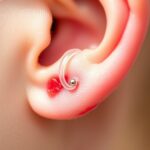
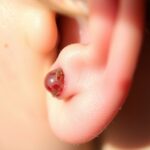
To recognize piercing complications, watch for signs like persistent redness, swelling, intense pain, foul odor, or unusual discharge, which may indicate infection. If you notice these symptoms, it’s important to act quickly by keeping the area clean with sterile saline, avoiding irritants, and refraining from swimming or changing the jewelry prematurely. If symptoms worsen or don’t improve, seek professional medical help promptly. Staying vigilant and responding early can prevent serious issues—there’s more to understanding what to do next.
Key Takeaways
- Watch for signs of infection such as excessive redness, swelling, pain, or abnormal discharge, and seek prompt medical care.
- Maintain proper hygiene by cleaning with sterile saline twice daily and avoiding harsh chemicals like alcohol or hydrogen peroxide.
- Avoid swimming, submerging in water, or exposing the piercing to dirt until fully healed to prevent bacterial infection.
- Be alert for persistent or worsening symptoms beyond normal healing, which may indicate rejection or complications requiring professional evaluation.
- Do not attempt to remove stubborn jewelry yourself; consult a healthcare provider or piercer for safe removal or treatment.
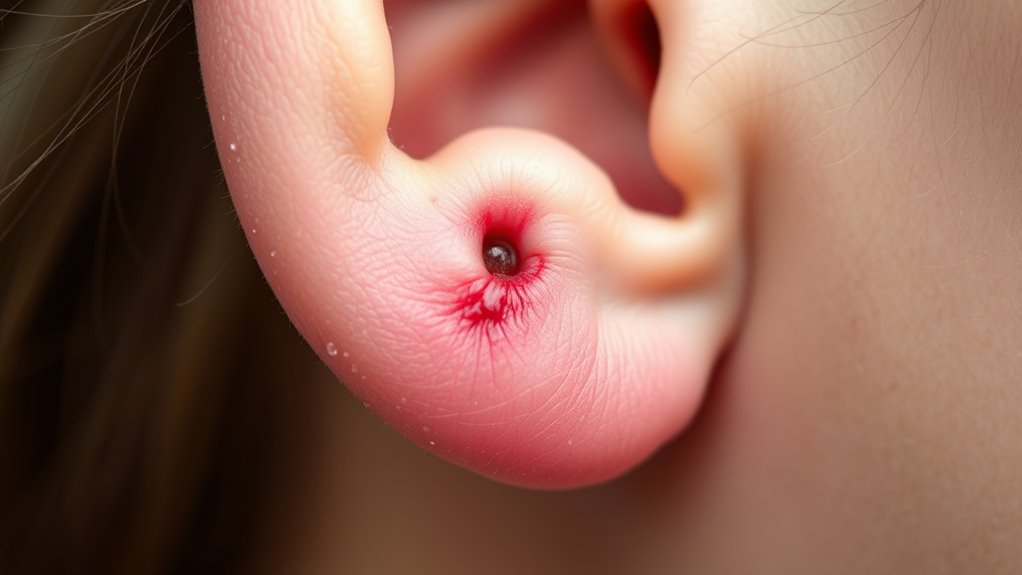
Getting a piercing might seem straightforward, but it can come with unexpected complications. One of the most common issues you’ll face is problems during the healing process. Healing isn’t always smooth; it can take anywhere from a few weeks to several months, depending on the piercing and your body’s response. During this period, your body works to repair the puncture site, but it’s also vulnerable to infections and other complications. To support proper healing, you need to stay vigilant and follow aftercare instructions carefully. This includes keeping the area clean, avoiding unnecessary touching or twisting, and being mindful of activities that could irritate the piercing.
Infection prevention is essential during this healing phase. If you notice redness, swelling, excessive pain, or discharge that’s yellow or green, these could be signs of an infection. Promptly addressing these symptoms can prevent more serious issues. Wash your hands thoroughly before touching your piercing to avoid introducing bacteria. Use a sterile saline solution to clean the area twice daily, gently removing crusts and debris without over-cleaning, which can irritate the skin. Avoid using harsh chemicals like alcohol or hydrogen peroxide, as they can damage tissue and delay healing. Also, steer clear of swimming in pools, hot tubs, or natural bodies of water until your piercing is fully healed, since these environments harbor bacteria that could cause infection. Proper aftercare practices are crucial for a smooth healing process.
If you encounter persistent redness, swelling, or pain beyond the typical healing discomfort, or if you see severe discharge or a foul odor, it’s time to seek medical advice. Ignoring these signs can lead to complications like abscesses or the spread of infection. In some cases, your body might reject the jewelry, pushing it out or causing the piercing to migrate. This can occur if the piercing is not cared for properly or if your immune system reacts negatively. Don’t attempt to remove stubborn jewelry yourself, as this can worsen the situation or cause additional injury. Instead, consult a professional piercer or healthcare provider to evaluate the problem and determine the best course of action.
Frequently Asked Questions
How Long Does It Typically Take for Piercing Complications to Appear?
Complication onset varies, but most issues tend to appear within the healing timeline of 4 to 8 weeks. You might notice redness, swelling, or pain as early signs, often within days to weeks after piercing. Some complications, like infections or keloids, can develop later, sometimes months down the line. Staying vigilant during the healing process helps you spot problems early and seek prompt treatment.
Can Minor Swelling After Piercing Be a Sign of a Serious Problem?
Imagine a gentle swell around your new piercing, like a small wave lapping at the shore. Minor swelling can be normal, but if it worsens, turns red, or is accompanied by pain or pus, it might signal a serious problem. Proper piercing hygiene and careful jewelry selection help prevent complications. If swelling persists or escalates, you should see a professional promptly to avoid further issues and promote healing.
Are There Specific Signs That Indicate an Allergic Reaction to Piercing Jewelry?
If you notice redness, itching, swelling, or rash around your piercing, you may be experiencing allergic reactions or jewelry sensitivities. These signs indicate your body is reacting negatively to certain metals like nickel. You should remove the jewelry and consult a healthcare professional. Recognizing symptoms early helps prevent further irritation or infection. Switching to hypoallergenic jewelry can reduce the risk of allergic reactions and ensure your piercing heals properly.
What Home Remedies Can Help Reduce Discomfort From Piercing Complications?
To ease piercing discomfort, try home remedies like applying a saline solution to keep the area clean and reduce irritation. You can also use a cold compress to lessen swelling and pain. Avoid touching or twisting the jewelry, and keep the piercing dry. Over-the-counter pain relievers may help, but always consult a professional before trying new remedies. These home remedies can effectively soothe your piercing discomfort and promote healing.
When Should I Seek Emergency Medical Care for Piercing Issues?
Did you know that about 10% of piercings develop complications requiring emergency care? You should seek urgent medical attention if you notice signs like severe pain, swelling, pus, or if infection symptoms worsen despite home care. Remove piercing jewelry only if advised by a professional, and avoid delaying treatment, as untreated infections can lead to serious issues. Trust your instincts—if something feels wrong, get help immediately.
Conclusion
Now that you know the signs of piercing complications, it’s essential to stay vigilant and act quickly if issues arise. Don’t dismiss redness, swelling, or pain—these could be signs of trouble, just like a knight spotting a dragon. Clean your piercing regularly and avoid unnecessary touching. Remember, even in this modern age, a little caution can save you from a real mess. Stay safe, keep your piercing healthy, and don’t let complications turn your style into a tale of woe.