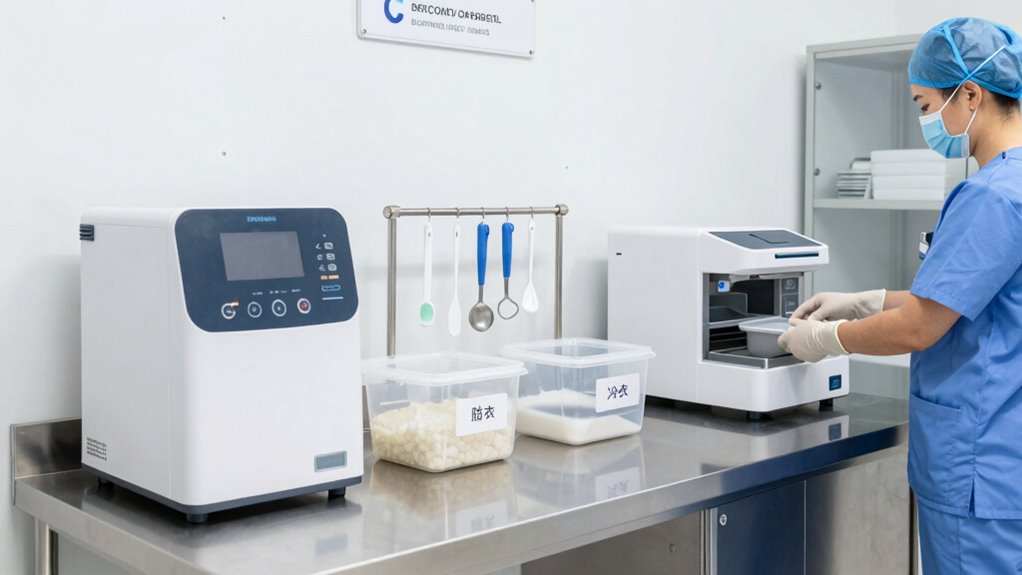
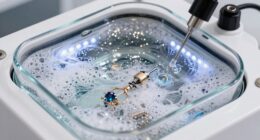
To build a professional sterilization station on day one, start by planning an organized layout that minimizes cross-contamination and streamlines workflow. Choose reliable, high-quality equipment and supplies, and develop clear SOPs to guarantee consistency. Keep the space clean, modern, and clutter-free to foster confidence. Train staff thoroughly on safety and sterilization procedures. With these foundational steps, you’ll create a professional environment—and if you continue exploring, you’ll find even more ways to optimize your setup.
Design a clean, organized layout with designated zones for dirty, clean, and sterilized tools to enhance professionalism from the start.
Invest in high-quality, certified sterilization equipment and ensure proper calibration and maintenance.
Develop and implement detailed SOPs for each sterilization step, and train staff thoroughly before opening.
Use clear signage, color coding, and visual aids to create an intuitive, professional environment.
Maintain strict hygiene standards, regular equipment checks, and staff education to foster confidence and safety.
Plan Your Sterilization Station Layout for Efficiency
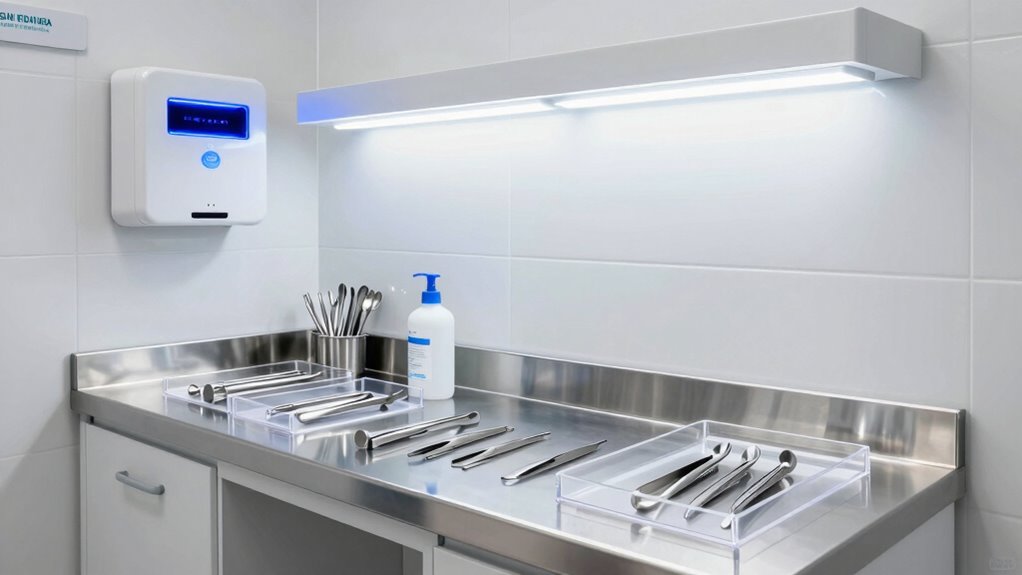
To maximize efficiency, you need to carefully plan the layout of your sterilization station. Start by organizing areas based on cleaning protocols and contamination control. Place soiled instruments in a designated dirty zone, away from clean tools. Create a clear flow from dirty to clean, minimizing cross-contamination risks. Incorporate work surfaces that are easy to disinfect and equipped with proper drainage. Confirm that storage for sterilized items is separate and accessible. Label each zone clearly to streamline processes and reduce confusion. Consider traffic flow—limit movement between contaminated and sterile areas. Prioritize hygiene and safety by maintaining strict separation. A well-structured layout not only speeds up sterilization but also ensures compliance with cleaning protocols and digital concepts standards, setting a professional tone from day one.
Choose the Right Equipment and Supplies
Choosing the right equipment and supplies is vital for an effective sterilization station. You need quality tools that guarantee safety and reliability, along with a well-stocked inventory of essential supplies. This helps ensure requirements traceability is maintained, allowing you to track and verify each sterilization process for compliance and quality assurance. Incorporating effective inventory management can help prevent shortages and ensure that all necessary items are readily available when needed. Additionally, selecting equipment with high precision and accuracy can improve the consistency and effectiveness of sterilization procedures. Using appropriate sterilization methods tailored to your specific needs can further enhance overall safety and efficiency. Implementing automated monitoring systems can further enhance process control and reliability.
Quality Equipment Selection
Selecting the right equipment and supplies is crucial for ensuring your sterilization station functions effectively and safely. Prioritize sterilization safety by choosing high-quality sterilizers, autoclaves, and sterilization pouches that meet industry standards. Reliable equipment reduces the risk of contamination and ensures consistent results. Look for tools that are durable and easy to operate, which helps with ongoing equipment maintenance and minimizes downtime. Investing in reputable brands and verifying certifications guarantees safety and performance. Avoid cheap or unverified options, as they can compromise sterilization and increase safety hazards. Regularly inspecting and maintaining your equipment is indispensable to sustain efficiency and safety over time. Proper equipment selection not only enhances safety but also sets a professional tone from day one. Additionally, understanding the importance of public trust and reputation can influence your choice of reliable and well-regarded sterilization solutions. Ensuring your equipment aligns with industry standards reinforces your commitment to safety and quality. Moreover, staying informed about emerging regulatory requirements helps maintain compliance and uphold your business’s credibility. Incorporating proper sterilization procedures into your routine further ensures consistent and effective results. Paying attention to equipment maintenance schedules can also extend the lifespan of your tools and ensure optimal performance over time.
Essential Supply Inventory
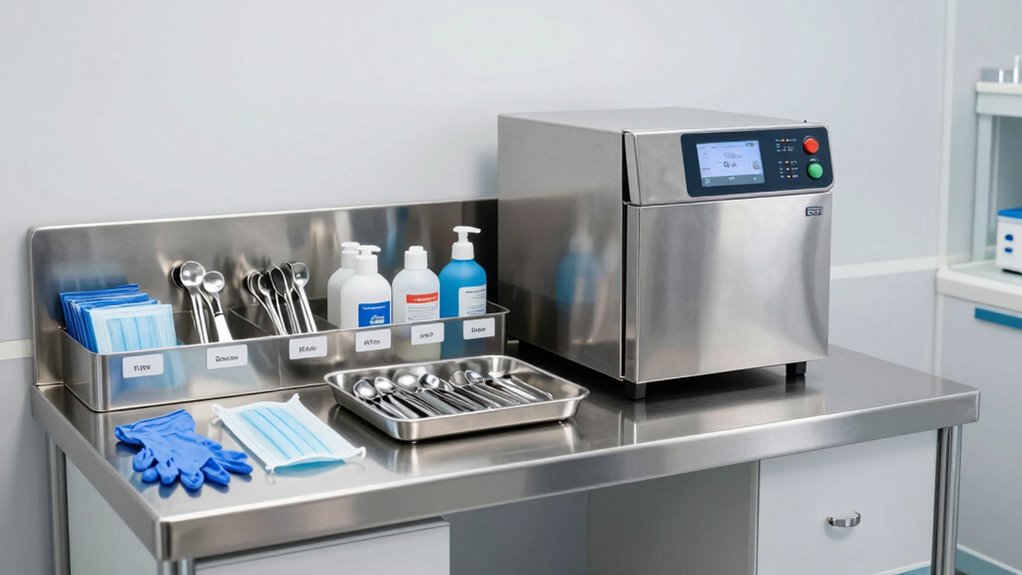
Have you considered how essential a well-stocked supply inventory is for your sterilization station’s efficiency and safety? Choosing the right equipment and supplies guarantees you follow sterilization protocols correctly and prevent contamination. Stock up on sterilization pouches, gloves, masks, and disinfectants to maintain a sterile environment. Keep sterilizers, trays, and cleaning tools readily available and in good condition. Regularly check your inventory to avoid shortages that could delay procedures or compromise safety. Use high-quality supplies designed specifically for sterilization processes, as inferior products increase contamination risks. A thorough inventory streamlines your workflow, helps meet safety standards, and ensures your station operates professionally from day one. Proper supply management is key to consistent, effective sterilization. Additionally, understanding market reputation can guide you toward trusted suppliers who provide reliable products.
Design an Organized Workflow for Safety and Speed
To guarantee safety and efficiency, you need to optimize how you place your equipment so everything is easily accessible and flows smoothly. Clear labeling helps prevent mistakes and speeds up the cleaning process. Incorporating precise measurement tools ensures accuracy in your sterilization procedures and maintains quality control. Additionally, referencing best gear and knife roundups can help you select reliable tools that enhance your overall workflow. Focusing on these points keeps your workflow organized and safe.
Optimize Equipment Placement
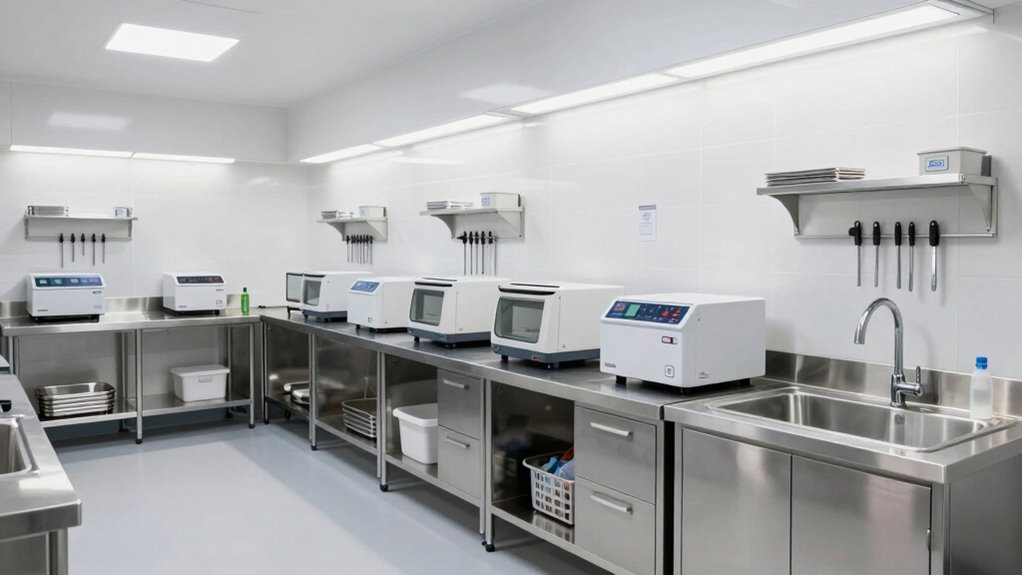
Ever wondered how to streamline your sterilization process for maximum safety and efficiency? Proper equipment placement is key. Arrange your sterilizers, sinks, and workstations to create a logical flow aligned with sterilization protocols. Keep frequently used tools nearby but separate from contaminated zones to prevent cross-contamination. Regularly check equipment maintenance schedules to avoid breakdowns. Use this table to visualize a smooth setup:
Zone
Purpose
Clean Zone
Sterilizers, storage for sterilized tools
Preparation Area
Cleaning, assembling instruments
Contaminated Zone
Dirty tools, waste disposal
Transition Space
Moving tools between zones
Optimized placement reduces movement, speeds up workflows, and maintains safety standards. Properly arranged equipment ensures compliance and simplifies sterilization tasks.
Implement Clear Labeling
Clear labeling is essential for creating an organized workflow that promotes safety and efficiency. Use color coding to differentiate each stage of the sterilization process, making it easy to identify tools, materials, and areas at a glance. Confirm signage clarity by using large, legible fonts and straightforward language, so staff quickly understand instructions and zones. Place labels strategically on cabinets, bins, and equipment to prevent mix-ups and streamline movement. Consistent color schemes and clear signs reduce confusion, saving time and minimizing errors. Regularly check labels for readability and replace any that become worn or unclear. Implementing clear, visually intuitive labeling helps create a professional, safe sterilization station from day one.
Develop Standard Operating Procedures (SOPs) for Consistency
Developing Standard Operating Procedures (SOPs) is essential for guaranteeing your sterilization process remains consistent and reliable. Clear SOPs guide you through every step of sterilization protocols, minimizing errors and maintaining high standards. You should include detailed instructions for cleaning, sterilizing, and storing instruments, as well as procedures for equipment maintenance. Consistent documentation helps everyone follow the same process, reducing variability. Regularly review and update your SOPs to reflect new equipment or procedures. By establishing these protocols, you create a systematic approach that promotes efficiency and safety. Well-crafted SOPs not only guarantee quality but also build confidence in your sterilization station’s professionalism from day one.
Create a Clean, Modern Space That Builds Confidence
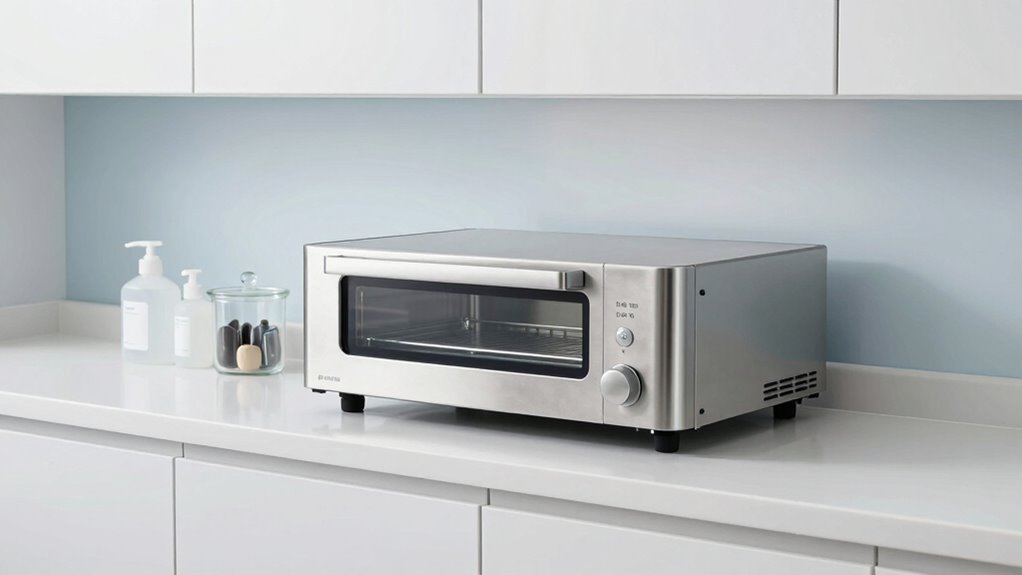
Creating a clean, modern space for your sterilization station is essential because it directly influences confidence in your process. A tidy, well-organized environment signals professionalism and attention to detail. Confirm your equipment is well-maintained, as reliable tools improve efficiency and reduce errors. Regular equipment maintenance checks prevent breakdowns that could compromise sterilization. A sleek, uncluttered layout simplifies workflow and minimizes cross-contamination risks. Additionally, staff training should emphasize maintaining the space’s cleanliness and organization. When your team understands the importance of a clean environment and proper equipment upkeep, they’re more likely to follow protocols diligently. Incorporating water damage and rug cleaning best practices can also help maintain hygiene standards in your space. A modern, hygienic setup not only enhances safety but also reassures clients and staff that high standards are a priority from day one. Ensuring proper equipment calibration can further improve sterilization outcomes and build trust in your process.
Train Staff to Maintain High Sterilization Standards
Training your staff to uphold high sterilization standards is essential because consistent practices directly impact safety and effectiveness. Effective staff training ensures everyone understands proper procedures, from cleaning to sterilizing instruments. You should provide clear protocols and demonstrate correct techniques, emphasizing attention to detail. Regularly reinforce sterilization standards through ongoing education and supervision. Encourage questions and feedback to clarify uncertainties. Consistent training helps prevent errors, reduces contamination risks, and maintains a professional environment. Make certain your team is familiar with sterilization equipment, safety protocols, and documentation requirements. When staff are well-trained, they become confident in their roles and contribute to a safer, more reliable sterilization process. Additionally, emphasizing the importance of proper cleaning methods ensures that all instruments are adequately prepared before sterilization. Incorporating filtration/suction basics into training can further improve the overall sterilization process. Ultimately, investing in staff training sustains high sterilization standards and enhances overall clinic or facility safety.
Frequently Asked Questions
What Budget Should I Allocate for a Professional Sterilization Station?
You should allocate around $2,000 to $5,000 for a professional sterilization station, depending on your cleaning protocols and equipment durability needs. Investing in high-quality sterilizers and storage guarantees compliance with health standards and longevity. Prioritize durable equipment that withstands frequent use, and include budget for maintenance. This initial investment helps you establish a reliable, professional setup from day one, reducing long-term costs and ensuring safety.
How Often Should Sterilization Equipment Be Inspected or Serviced?
Like a seasoned captain tending to their vessel, you should inspect your sterilization equipment regularly—at least monthly—to guarantee it meets sterilization standards. Routine equipment maintenance is vital to prevent failures and maintain safety. Schedule professional servicing annually or as recommended by the manufacturer. Staying proactive helps you catch issues early, making sure your sterilization station remains reliable, compliant, and ready to serve your needs without compromise.
Are There Specific Certifications Required for Sterilization Stations?
You need to guarantee your sterilization station meets sterilization standards and complies with certification requirements. While specific certifications vary by industry, typically, you’ll need to adhere to standards set by organizations like OSHA, CDC, or the CDC’s guidelines for sterilization. Some regions or industries might require official licenses or inspections, so check local regulations. Staying updated on certification requirements helps maintain a professional, compliant sterilization station from day one.
How Can I Ensure Compliance With Health and Safety Regulations?
Like a modern-day Sherlock, you’ll want to stay sharp on compliance by regularly reviewing health and safety regulations. To guarantee you meet standards, implement strict infection control and cleaning protocols, document procedures diligently, and train staff consistently. Keep up with updates from health authorities, perform routine audits, and maintain accurate records. Staying proactive helps you avoid penalties and guarantees a safe environment for clients and staff alike.
What Are Common Mistakes to Avoid When Setting up a Sterilization Station?
You should avoid neglecting sterilization protocols, which are vital for safety, and skipping equipment calibration, which guarantees sterilization effectiveness. Don’t overlook proper training for staff, as improper handling can lead to contamination. Also, steer clear of cluttered setups that hinder workflow. Regularly inspect and maintain tools, and make certain all surfaces are sterilized correctly. Staying vigilant about these common mistakes guarantees your sterilization station remains professional and compliant from day one.
Conclusion
Believe it or not, a well-designedsterilization station can boost your staff’s confidence and improve safety from day one. Think of it like a well-oiled machine—every detail, from layout to SOPs, matters. By investing time upfront, you create a space that feels professional and trustworthy. So, don’t just follow a checklist; envision your station as a vital part of your success, proving that a clean, organized workspace truly makes all the difference.
How Piercings Can Affect Your Eligibility to Donate Blood
Not all piercings disqualify you from donating blood—discover the crucial guidelines that could impact your eligibility and ensure a safe donation experience.
Understanding how workplaces are increasingly embracing piercing-friendly dress codes can reshape your view on professional style and personal expression.
Piercings in the LGBTQ+ Community: Identity and Expression
The transformative power of piercings within the LGBTQ+ community reveals how body art can symbolize identity and personal stories, inspiring us to discover more.
How Different Cultures Perceive Professional Piercings Around the World
Journey through diverse cultural attitudes towards professional piercings and discover how perceptions shape opportunities in various regions around the globe.