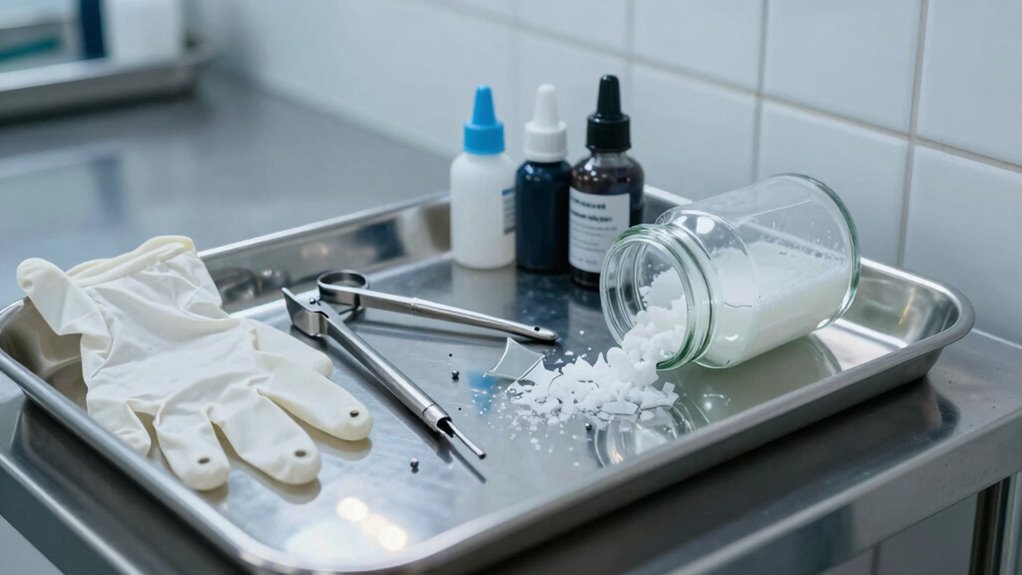
The Sterilization Mistake That Can Wreck a Piercing Studio Overnight
Failure to properly validate autoclave effectiveness can ruin a piercing studio overnight, risking client safety—discover how to prevent this costly mistake.
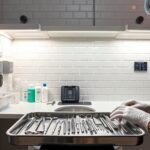
One essential sterilization mistake that can ruin a piercing studio overnight is failing to properly validate autoclave effectiveness. If you don’t regularly verify that your sterilizer reaches the correct temperature and pressure, contaminated tools might slip through, risking infections and client harm. Overlooking proper packaging or skipping routine maintenance can also lead to failures. To protect your reputation and guarantee safety, it’s vital to follow strict protocols—keep exploring to learn more.
Failing to properly sterilize tools between clients can lead to rapid cross-contamination and infection outbreaks.
Relying solely on autoclave cycles without verifying proper temperature and sterilization indicators compromises safety.
Neglecting equipment maintenance and calibration causes sterilization failures and equipment breakdowns.
Using contaminated or improperly packaged instruments increases infection risks and can ruin reputation overnight.
Inadequate staff training on sterilization protocols results in inconsistent practices and potential health hazards.
What Are the Most Common Sterilization Mistakes in Piercing Studios?
One of the most common sterilization mistakes in piercing studios is failing to properly sterilize tools between clients. During customer consultations, you might overlook the importance of thoroughly cleaning piercing jewelry and instruments before reuse. Using contaminated jewelry or tools can lead to infections and compromise client safety. Rushing through the sterilization process or neglecting to follow protocols increases the risk of cross-contamination. It’s essential to guarantee all piercing jewelry is sterilized correctly and stored in sterile conditions. Many studios make the mistake of assuming sterilization was done correctly without verifying. Always double-check that sterilization equipment is functioning properly and that protocols are followed meticulously. Proper sterilization between clients protects your reputation and keeps everyone safe.
How Cross-Contamination Happens During Piercing
Have you ever wondered how cross-contamination can occur during a piercing session? It often happens when tools or surfaces aren’t properly sterilized, or when you fail to follow strict piercing safety protocols. Even a small lapse can transfer bacteria, viruses, or other pathogens from one client to another. For example, reusing contaminated gloves or touching sterile jewelry with unclean hands can introduce harmful microorganisms. Client education plays a vital role here—you need to inform clients about proper aftercare and the importance of avoiding contamination. As a piercer, maintaining a clean environment and adhering to sterilization procedures helps prevent cross-contamination, ensuring everyone’s safety. Additionally, understanding the role of contrast ratio in your sterilization equipment can help optimize the effectiveness of your cleaning processes. Proper sterilization techniques are essential to eliminate residual contaminants and keep your studio compliant with health standards. Regular staff training on infection control protocols can further reduce the risk of accidental contamination, especially when combined with proper sterilization procedures. Implementing a comprehensive sterilization protocol that includes proper cleaning and disinfection can significantly reduce the chances of cross-contamination.
Signs Your Sterilization Process Might Be Failing
If you notice visible contamination on your equipment or inconsistent sterilization results, it’s a clear warning sign that your process might be failing. These issues can lead to serious infections and compromise client safety. Paying close attention to these signs helps you catch problems early and maintain a safe, professional environment. Additionally, understanding the importance of affiliate disclosure and maintaining transparency can foster trust with your clients and ensure compliance with industry standards. Properly assessing your sterilization equipment’s capacity and performance can help prevent failures and ensure effective sanitation every time. Regularly reviewing your regional standards and guidelines can further enhance your sterilization practices and uphold industry best practices. Being familiar with appropriate sterilization procedures ensures your studio remains compliant and minimizes risk. Incorporating proper maintenance routines into your schedule can also extend the lifespan of your sterilization tools and improve overall effectiveness.
Visible Equipment Contamination
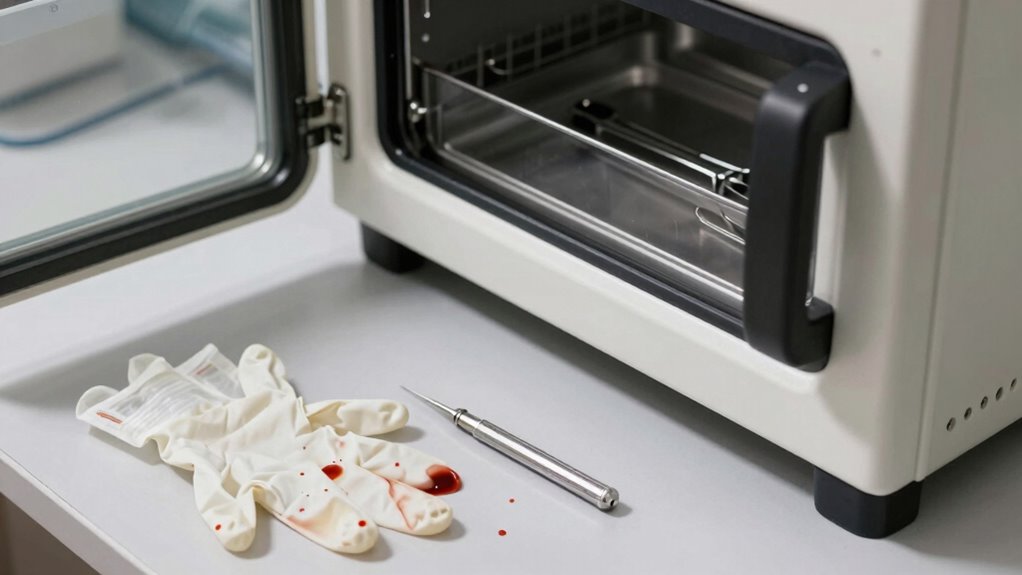
Visible contamination on sterilized equipment is a clear warning sign that your sterilization process isn’t working properly. If you notice residues, smudges, or debris on tools after sterilization, it indicates that surface disinfectants may not have been effective or properly applied. Poor hand hygiene by staff can also introduce contaminants, undermining sterilization efforts. Always guarantee that your hands are thoroughly washed and gloves are used correctly before handling equipment. Regularly inspect tools for visible dirt or stains before sterilization, and confirm that cleaning protocols are followed meticulously. Failing to address visible contamination jeopardizes client safety and compromises your studio’s reputation. Immediate action is necessary—review your cleaning and disinfecting procedures and reinforce proper hand hygiene practices to prevent contamination from slipping through the sterilization process. Implementing proper cleaning equipment maintenance ensures that sterilization is effective and reduces the risk of contamination passing through. Additionally, understanding regional health regulations can help ensure your protocols meet safety standards and reduce liability. Recognizing the importance of narcissistic traits in managing staff behavior can also help maintain a disciplined and safety-conscious environment. Regular staff training on sterilization protocols is essential to uphold high standards and prevent complacency. Furthermore, conducting periodic audits of your sterilization procedures can help identify weaknesses before they lead to contamination issues.
Inconsistent Sterilization Results
Inconsistent sterilization results often indicate that your process isn’t reliable, which can put client safety at risk. Many sterilization myths lead you to believe that a single cycle guarantees safety, but that’s not true. If you notice variability in sterilization outcomes, it’s a sign your equipment calibration might be off. Proper calibration ensures that sterilizers reach and maintain the necessary temperatures and pressures consistently. Without it, your sterilization process can fail intermittently, leaving contaminants behind. Regularly verifying your sterilizer’s calibration and avoiding reliance on myths about foolproof sterilization methods are essential steps. If you see inconsistent results, don’t ignore them—investigate your equipment, follow manufacturer guidelines, and maintain strict calibration schedules to protect your clients and your reputation.
Why Proper Autoclaving Matters: And How It Can Fail
Making certain your autoclave maintains the correct temperature is vital for effective sterilization, but it can fail if the control system malfunctions. Proper packaging keeps instruments sterilized and prevents contamination, yet improper techniques can compromise the process. Regular maintenance of your equipment guarantees it operates reliably and prevents costly failures. Additionally, implementing mind-body healing practices can reduce stress and improve focus during equipment management. Ensuring your sterilization procedures follow standard protocols helps maintain consistent results and avoids overlooked issues. Regularly monitoring equipment performance can help identify potential issues before they lead to failure. Incorporating cabling solutions such as secure connections and proper routing can also prevent technical disruptions during sterilization cycles. Employing smart lock technology in your sterilization area can enhance security and control access during sensitive procedures.
Autoclave Temperature Control
Maintaining the correct temperature in an autoclave is essential because it directly affects the sterilization process’s effectiveness. If the temperature isn’t precise, your sterilization protocols can fail, risking contaminated tools. Regular autoclave calibration guarantees the machine reaches and maintains the proper temperature consistently. Without proper calibration, the autoclave might run too hot or too cold, leaving instruments inadequately sterilized. This can happen unnoticed, especially if you rely solely on visual or audio indicators. To prevent this, routinely test and verify the autoclave’s temperature accuracy with biological or chemical indicators. Ensuring proper temperature control isn’t just about following protocols — it’s about safeguarding your clients and your reputation. A small oversight in temperature management can lead to big problems overnight. Additionally, understanding how autoclave calibration is linked to effective sterilization can help prevent costly failures and ensure compliance with health standards. Proper autoclave maintenance plays a crucial role in preventing such failures and maintaining a sterile environment, emphasizing the importance of consistent calibration practices to prevent unnoticed errors. Recognizing the importance of temperature consistency is key to achieving reliable sterilization results.
Proper Packaging Techniques
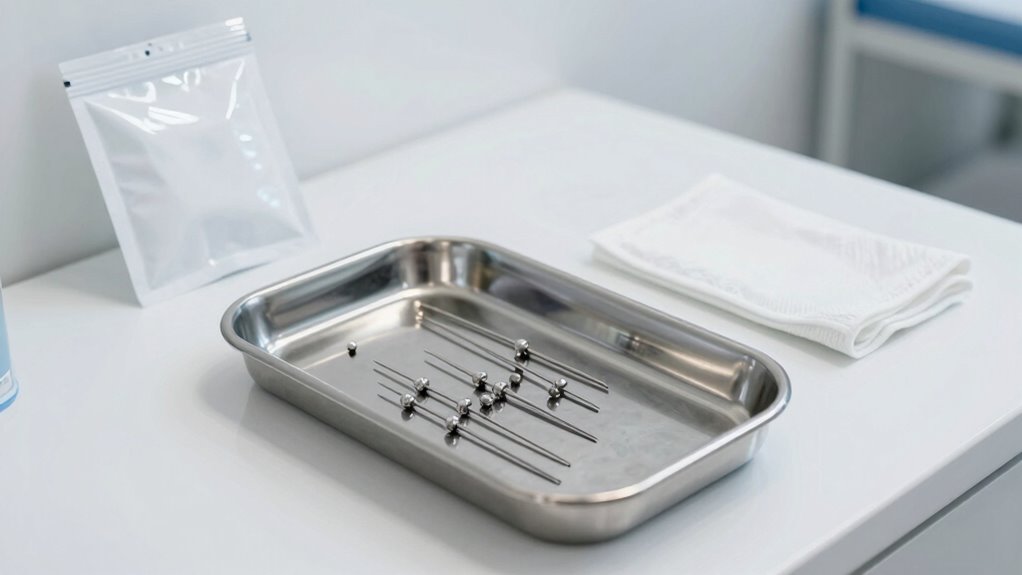
Proper packaging is crucial because it guarantees that sterilizing agents reach every surface of your tools, killing all microorganisms. Following strict packaging protocols ensures tools are sealed properly, preventing exposure to contaminants during sterilization. Use sterilization pouches or wraps designed for autoclaving, and make sure they are correctly sealed without gaps or tears. Properly packaged tools promote contamination prevention by maintaining sterility until use. If packaging is flawed—such as using incompatible materials or failing to secure seals—you risk compromised sterilization and potential infection transmission. Always double-check that packaging is intact and appropriate for autoclaving. Implementing precise packaging techniques minimizes the chance of contamination, safeguarding both your clients and your studio’s reputation.
Regular Equipment Maintenance
Regular equipment maintenance is essential because even the slightest malfunction or buildup can compromise your autoclaving process. Ignoring routine checks can lead to sterilization myths, such as believing the autoclave is foolproof without proper upkeep. To guarantee equipment longevity and effective sterilization, you must stay vigilant. Regularly inspect and clean seals, vents, and gauges. Preventative maintenance keeps autoclaves functioning correctly and avoids costly failures. Here’s a quick overview:
Maintenance Task
Potential Issue
Impact
Inspect door seals
Cracks or wear
Loss of pressure, sterilization failure
Clean chamber
Buildup of debris
Ineffective sterilization
Check gauges
Inaccurate readings
Over or under sterilization
Replace filters
Clogged filters
Reduced efficiency
Schedule professional servicing
Mechanical faults
Equipment longevity & safety
Consistent maintenance ensures your autoclave performs reliably.
Tips for Proper Equipment Sanitization and Maintenance
Ensuring your equipment is properly sanitized and maintained is essential for a safe piercing studio. Regular cleaning and sterilization prevent contamination and uphold piercing safety. Always follow manufacturer instructions for cleaning tools and equipment, using appropriate disinfectants. Keep a detailed log of maintenance routines to ensure consistency and accountability. Train your staff on proper sanitization procedures, emphasizing the importance of thoroughness. Educate clients about the importance of hygiene, so they understand the significance of sterile practices. Regularly inspect equipment for damage or wear and replace items as needed. Proper maintenance not only safeguards your clients’ health but also builds trust and professionalism. By prioritizing these practices, you create a safer environment and reduce the risk of infections or complications.
How to Prevent Infections From Improper Sterilization
To prevent infections from improper sterilization, you need to follow proper equipment sterilization techniques and stick to a regular sterilization schedule. Make sure your staff is well-trained and certified in sterilization procedures to avoid mistakes. Consistent adherence to these practices keeps your studio safe and infection-free.
Proper Equipment Sterilization Techniques
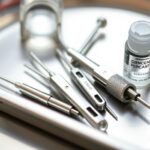
Proper equipment sterilization is essential in preventing infections and maintaining a safe piercing environment. Follow strict sterilization protocols to guarantee all tools are properly disinfected. Use an autoclave or other approved sterilizers, and verify the sterilization process with biological indicators. Always clean equipment thoroughly before sterilization to remove debris and blood. Proper equipment disinfection reduces the risk of cross-contamination. Keep detailed records of sterilization cycles and maintenance. Here’s a quick guide:
Step
Method
Notes
Cleaning
Manual scrubbing
Use detergent and brush
Disinfection
Chemical disinfectant
Follow manufacturer instructions
Sterilization
Autoclave or sterilizer
Verify with biological indicators
Adhering to these techniques ensures your tools are safe for every piercing.
Regular Sterilization Schedule Adherence
Regularly sticking to a sterilization schedule is crucial for preventing infections in your piercing studio. Many people have sterilization misconceptions, thinking that quick cleans or improper methods suffice. However, consistent adherence ensures all tools are thoroughly sterilized, reducing infection risks. It’s also important to consider equipment durability; using sterilizers that are regularly maintained prevents malfunctions that could compromise sterilization quality. Skipping scheduled sterilization or rushing through processes can lead to contamination. Keep a detailed log of sterilization cycles, and ensure your equipment operates correctly before each use. By maintaining discipline in your schedule, you minimize errors and uphold a safe environment for your clients. This vigilance safeguards your reputation and keeps infections at bay.
Staff Training and Certification
Even with a strict sterilization schedule in place, untrained staff can inadvertently cause contamination if they lack proper knowledge and skills. That’s why staff training and certification are critical. Ensuring your team meets certification standards not only boosts staff motivation but also guarantees they understand sterilization protocols thoroughly. Proper training covers essential topics like instrument handling, sterilizer operation, and infection control. To keep your studio safe, focus on:
Regularly updating staff certifications
Conducting hands-on sterilization training
Reinforcing protocols through ongoing education
Monitoring compliance consistently
This approach minimizes errors and fosters a culture of safety. When your staff is motivated and well-trained, the risk of infections drops markedly, protecting your reputation and clients’ health.
Best Practices for Handling and Disposing of Contaminated Instruments
Handling contaminated instruments correctly is crucial to prevent the spread of infections in your piercing studio. Always wear gloves and carefully place used tools in a designated biohazard container immediately after use. Never recap needles or handle instruments unnecessarily, as this increases contamination risk. During customer consultation, explain your sterilization process to reassure clients about safety. When disposing of contaminated instruments, follow your local regulations strictly. Use the table below to remember key steps:
Step
Action
Purpose
Identify contaminated
After piercing or cleaning
Prevent cross-contamination
Wear protective gear
Gloves, masks
Protect staff and clients
Proper disposal
Biohazard containers
Safe waste management
Document disposal
Record disposal date & method
Ensure compliance
Following these practices keeps your studio safe and trustworthy.
Why Record-Keeping Is Key to Sterilization Compliance
Keeping accurate records of your sterilization procedures isn’t just about organization—it’s essential for demonstrating compliance during inspections and audits. Proper documentation shows you follow sterilization regulations and helps protect patient privacy by ensuring instruments are properly sterilized before use. Without detailed records, you risk non-compliance, which can lead to fines or shutdowns.
To stay compliant, consider these key points:
Record sterilization dates, methods, and results
Track instrument usage and reprocessing cycles
Maintain logs that ensure traceability of instruments
Safeguard patient privacy by securely storing records
Accurate record-keeping isn’t optional; it’s a critical step to avoid sterilization mistakes and uphold safety standards in your piercing studio.
Using Checklists and Quality Checks to Ensure Safety
Implementing checklists and routine quality checks is essential for maintaining safety standards in your piercing studio. These tools help identify potential issues before they become serious problems, ensuring every step of sterilization is properly followed. Regularly collecting customer feedback allows you to refine your procedures and address safety concerns proactively. Incorporate quality checks into daily routines, such as verifying sterilizer performance and inspecting tools, to prevent errors. Clear checklists keep staff accountable and consistent, reducing human error. Additionally, showcasing your commitment to safety through transparent practices can strengthen your marketing strategies, building trust with clients. When clients see your dedication to quality control, they’re more likely to recommend your studio, boosting your reputation and ensuring long-term success.
What to Do Immediately After a Sterilization Error Occurs
When a sterilization error happens, quick and decisive action can prevent contamination and protect client safety. First, immediately isolate the contaminated instruments to prevent accidental use. Then, review your cleaning protocols to guarantee all items are properly cleaned before sterilization. Document the error thoroughly, noting what went wrong and when. Finally, re-sterilize any tools that may have been compromised, following strict sterilization procedures. This minimizes the risk of infection and maintains your studio’s standards. Be sure to communicate transparently with clients if their procedures are affected, and review your sterilization logs to identify any gaps. Addressing sterilization errors swiftly helps uphold safety, prevents outbreaks, and preserves your studio’s reputation.
Frequently Asked Questions
How Often Should Sterilization Equipment Be Inspected and Calibrated?
You should inspect and calibrate your sterilization equipment at least monthly, but more frequently if you notice issues. Ironically, neglecting regular equipment maintenance can lead to sterilization procedures failing, risking contamination and studio reputation. Routine checks verify your sterilizers work correctly, keeping clients safe. Don’t wait for a breakdown—schedule regular inspections and calibrations to maintain high standards and avoid costly mistakes that could ruin your business overnight.
What Are the Legal Consequences of Sterilization Errors in Piercing Studios?
If you make sterilization errors, you could face serious legal liabilities, including lawsuits from clients harmed by infections or cross-contamination. These mistakes might also jeopardize your liability insurance, making it harder to cover damages. To protect yourself, guarantee strict sterilization protocols, document procedures thoroughly, and maintain proper insurance coverage. Staying compliant not only safeguards your clients but also shields your studio from costly legal consequences.
Can DIY Sterilization Methods Be Effective for Piercing Studios?
DIY sterilization methods generally aren’t effective enough for piercing studios, and relying on them can jeopardize client safety. You need to assess the effectiveness of any sterilization process carefully, ensuring it meets industry standards. Instead of risking contamination with makeshift solutions, invest in professional sterilization equipment that guarantees proper sterilization. Prioritizing proper sterilization protects your clients and your studio’s reputation, preventing costly legal and health consequences.
How Do Environmental Factors Affect Sterilization Effectiveness?
Environmental contaminants like dust, humidity, or microbes can sabotage your sterilization efforts, even when using barriers like gloves and sterilizers. These factors create hidden pathways for bacteria to bypass sterilization, leaving your tools vulnerable. High humidity can promote microbial growth, while dust particles land on sterilized surfaces, compromising them. You must control environmental conditions carefully to guarantee your sterilization barriers remain effective, protecting both your clients and your studio’s reputation.
What Training Is Recommended for Staff on Sterilization Protocols?
You should provide thorough staff training on sterilization standards to guarantee everyone understands proper procedures. Regularly update your team on the latest protocols and best practices, emphasizing the importance of strict adherence to sterilization techniques. Hands-on demonstrations and assessments help reinforce learning. By prioritizing ongoing education, you minimize the risk of mistakes that could compromise client safety and damage your studio’s reputation.
Conclusion
A single sterilization mistake can threaten your reputation and endanger your clients. Are you truly confident your procedures are foolproof? The tiniest lapse might go unnoticed until disaster strikes. Stay vigilant, follow best practices, and never assume your process is flawless. Because in this line of work, one overlooked detail could be the difference between trust and catastrophe — and once it’s gone, it’s hard to get back. Are you prepared for what’s next?
Only by understanding proper bloodborne pathogen safety can piercers ensure client safety and avoid costly health risks; learn the essential steps now.
Piercing Allergies: Symptoms, Causes, and Solutions
Inevitably, piercing allergies can cause discomfort and frustration—discover the symptoms, causes, and effective solutions to reclaim your comfort and style.