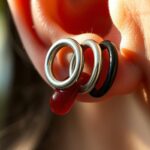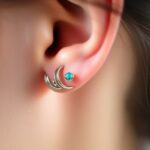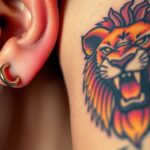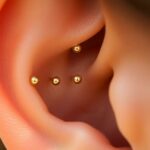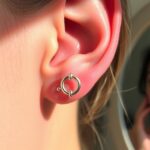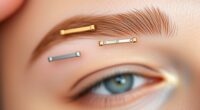
Neuroscientists reveal that both tattoos and piercings trigger endorphin releases, helping you manage stress and elevate mood. Piercings typically cause immediate pain, resulting in rapid endorphin spikes, while tattoos produce longer-lasting hormonal responses due to sustained discomfort. Each offers unique emotional benefits—piercings for quick relief and tattoos for deep, enduring empowerment. Exploring how these body modifications activate your brain’s pain and pleasure responses can help you choose the best stress relief method. Keep exploring to uncover more insights.
Key Takeaways
- Both tattoos and piercings trigger endorphin releases, providing temporary relief from stress and anxiety.
- Piercings often cause immediate pain, leading to quick endorphin spikes, while tattoos produce prolonged endorphin responses.
- Anticipation of either procedure can generate excitement, activating reward centers and reducing stress levels beforehand.
- Post-procedure endorphin surges reinforce feelings of happiness, strengthening the stress-relief effect over time.
- The intensity and duration of endorphin spikes vary based on pain tolerance and individual perception during each modification.

When it comes to managing stress, both tattoos and piercings offer more than just aesthetic appeal—they can serve as powerful outlets for emotional relief. You might find that the process of getting inked or pierced taps into your pain endurance, creating a sense of accomplishment and control. This act of enduring discomfort can trigger a release of endorphins, your body’s natural painkillers, which often results in a feeling of euphoria or calm afterward. The aesthetic appeal of tattoos and piercings isn’t just skin-deep; it’s often intertwined with personal meaning and identity, making the experience even more significant. When you choose a design or placement that resonates with you, the physical act of getting it can become a symbolic gesture of overcoming stress or marking a new chapter in your life.
Pain endurance plays an indispensable role here. As you sit through the discomfort—whether it’s the needle prick during a piercing or the tattooing process—you’re fundamentally training your mind to handle stress more effectively. This heightened pain tolerance can translate into better emotional resilience over time. The aesthetic appeal of your body modifications acts as a constant visual reminder of your strength and ability to face challenges. It’s a way of transforming pain into something meaningful, which can be incredibly empowering when stress levels are high.
Enduring body modifications boosts emotional resilience and transforms pain into empowering, meaningful self-expression.
Neuroscientists have studied how pain and pleasure responses are linked, especially in the context of body modifications. The spike in endorphins during and after these procedures can provide a temporary but powerful relief from anxiety or depression. For some, the anticipation of getting a tattoo or piercing is almost as intense as the procedure itself, fueling a sense of excitement that counters stress. Once completed, many report feeling a surge of happiness and a sense of accomplishment, reinforcing the idea that enduring temporary pain can lead to lasting emotional benefits.
Additionally, engaging in body modification can serve as a form of self-expression, helping individuals channel their emotions creatively and constructively.
Ultimately, whether you’re drawn to tattoos or piercings for stress relief, it’s about more than just the final look. It’s about engaging in a physical act that challenges your pain endurance and provides aesthetic appeal—both serving as tools to manage emotional tension. The endorphin rush, combined with a meaningful design or placement, can make the experience a cathartic ritual. In this way, body modifications become not just a form of self-expression but also a strategy for emotional resilience, turning pain into a pathway for stress relief.
Frequently Asked Questions
Do Tattoos or Piercings Have Long-Term Mental Health Benefits?
You might find that tattoos or piercings can boost your emotional resilience by providing a sense of control and personal expression. Over time, these body modifications can strengthen social bonding, as they often serve as shared symbols or conversation starters. While the long-term mental health benefits vary for each person, many report increased confidence and a greater sense of identity, contributing positively to mental well-being.
How Do Individual Pain Thresholds Affect Endorphin Release?
Did you know that individuals with higher pain sensitivity often experience greater endorphin variability? Your pain threshold directly affects how much endorphins your body releases during stressful or painful moments. If you’re more sensitive to pain, you might get a bigger endorphin spike, helping you cope better. So, understanding your pain sensitivity can give you insight into your body’s natural stress relief and resilience mechanisms.
Can Stress Relief From Tattoos or Piercings Last Over Years?
You wonder if stress relief from tattoos or piercings can last years. While they might provide immediate emotional regulation, psychological resilience varies, affecting long-term benefits. If you develop healthy coping skills alongside these body modifications, you may maintain emotional well-being over time. However, the initial endorphin spike fades, so ongoing stress management practices are key. Ultimately, personal resilience determines whether the relief endures beyond the physical pain.
Are Certain Body Areas Better for Stress Relief Through These Modifications?
Think of your body as a map of stress relief zones. Certain areas, with higher nerve density and pain sensitivity—like your earlobes or forearms—act as lightning rods for endorphin spikes. Piercing these spots can release powerful stress relief. So, choose areas with rich nerve endings for maximum calming effects, and you’ll harness your body’s natural ability to soothe stress like a gentle wave lapping ashore.
Do Cultural Perceptions Influence the Stress-Relief Effectiveness?
Cultural perceptions greatly influence how stress relief through tattoos or piercings works for you. If your society values body modifications, you’ll likely feel more socially accepted and less stressed about them. Conversely, in cultures with negative views, you might experience added stress or hesitation, which can hinder the endorphin spike that helps with relief. So, cultural significance and social acceptance shape your emotional response and the stress-relief benefits you get from body modifications.
Conclusion
So, next time you’re considering a body modification for stress relief, ask yourself—are you more drawn to the permanence of a tattoo or the flexibility of a piercing? Both can trigger endorphin spikes and help you cope, but it’s all about what feels right for you. Isn’t it empowering to choose a form of self-expression that not only looks good but also boosts your mood? Your body, your stress-relief strategy.