Pain management plays a vital role in your body piercing experience by helping you stay calm and comfortable throughout the process. Proper needle selection, effective communication with your piercer, and disciplined aftercare can minimize discomfort and speed up healing. Using pain relief techniques like cold compresses or over-the-counter medicines can also ease soreness afterward. Understanding these strategies will help you protect your new piercing and enjoy the journey with less pain—exploring these tips further can make all the difference.
Key Takeaways
- Proper needle selection reduces tissue trauma, minimizing pain during the piercing procedure.
- Effective pain management involves calming techniques and clear communication with the piercer.
- Adhering to aftercare routines prevents infection and reduces post-piercing discomfort.
- Using cold compresses and over-the-counter pain relievers alleviates initial soreness and swelling.
- Educating oneself beforehand and following professional guidance ensures a smoother, less painful healing process.

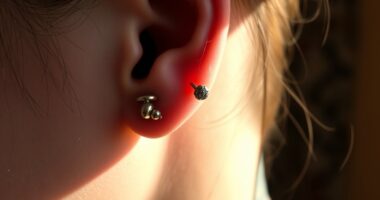
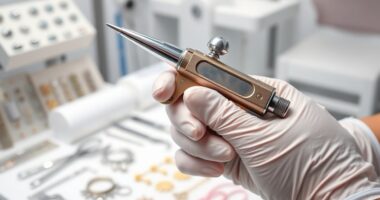
Getting pierced can be nerve-wracking, especially if you’re worried about pain. The thought of a needle piercing your skin might make your stomach tighten or your palms sweat. But understanding how pain is managed during the process can help ease your anxiety. One key factor is needle selection. Piercers typically use sterile, high-quality needles designed specifically for body art. These needles are sharp and precise, which minimizes tissue damage and reduces discomfort. Choosing the right needle size and type for your specific piercing can make a significant difference in how painful the experience feels. For example, a thinner needle might cause less pain and trauma, making the process smoother. Your piercer’s expertise in selecting the appropriate needle ensures you’re not subjected to unnecessary discomfort. Incorporating natural elements such as calming aromatherapy or stress-relief techniques can also contribute to a more relaxed experience during the procedure. Once you’ve gotten pierced, the focus shifts to aftercare routines. Proper aftercare is vital in managing pain and preventing infection. Following your piercer’s instructions diligently helps your body heal faster and reduces soreness. This involves cleaning the piercing site regularly with a saline solution, avoiding unnecessary touching or twisting, and steering clear of irritants like harsh soaps or perfumes. When you stick to a consistent aftercare routine, you’ll notice that pain diminishes more quickly, and your healing process stays on track. It’s normal to experience some tenderness or minor swelling initially, but these symptoms should gradually subside if you’re attentive to your piercings. Managing pain also involves understanding that some discomfort is part of the healing process. Over-the-counter pain relievers, like ibuprofen or acetaminophen, can help alleviate residual soreness. Applying a cold compress to the area can also provide relief and reduce swelling, making the healing experience more comfortable. Remember, avoiding activities that put stress on the piercing—like excessive movement or wearing tight clothing—helps prevent unnecessary pain or irritation. Staying mindful of these practices and maintaining a gentle, thorough aftercare routine will make your healing journey smoother. In essence, pain management in body piercing hinges on smart needle selection and disciplined aftercare routines. Educate yourself beforehand about what to expect and how to care for your new piercing. Communicate openly with your piercer about your concerns and follow their advice closely. With the right approach, you’ll find that the initial discomfort fades quickly, leaving you with a beautiful new body art piece and a sense of accomplishment. Proper pain management doesn’t mean avoiding all discomfort but rather understanding how to minimize it and support your body through healing.
Frequently Asked Questions
Are There Any Long-Term Health Risks From Pain Management Methods?
Long-term effects from pain management methods in body piercing are generally minimal, but some health complications can occur if not done properly. You might experience prolonged discomfort, scarring, or nerve damage if procedures aren’t performed correctly. Always choose a professional who uses sterile techniques to reduce risks. While serious health complications are uncommon, staying aware of potential long-term effects helps guarantee your piercing heals well and stays safe over time.
Can Pain Relief Techniques Affect Healing Time or Infection Risk?
Pain relief techniques can influence healing time and infection risk if used improperly. Some pain relief myths suggest that certain methods, like topical anesthetics, might slow healing or increase infection chances, but this isn’t always true. You should consider alternative therapies like cold compresses or distraction techniques, which can effectively reduce pain without risking delayed healing or infections. Always follow your piercer’s advice and avoid unproven remedies.
What Are the Costs Associated With Different Pain Management Options?
You’ll find that cost comparison varies widely among pain management options. Over-the-counter numbing creams are usually affordable and don’t require insurance coverage, while professional sedation or anesthesia can be costly and may be covered by insurance if deemed necessary. Always check with your provider about insurance coverage and upfront costs, so you can choose the safest, most effective pain relief method that fits your budget.
Are Natural or Home Remedies Effective for Pain During Piercing?
Home remedies and herbal solutions can help soothe mild pain during piercing, but their effectiveness varies. You might find that applying cold compresses or using herbal gels provides some relief, yet they aren’t substitutes for professional pain management. Always consult your piercer before trying home remedies, as improper use could cause infection or irritation. For significant pain, rely on expert techniques and appropriate numbing options instead.
How Do Personal Pain Thresholds Influence Chosen Pain Management Strategies?
Your pain threshold is like a dimmer switch, influencing how intensely you feel pain and which coping mechanisms work best. If you have high pain sensitivity, you might opt for stronger pain management strategies, such as numbing creams or distraction techniques. Conversely, if you’re less sensitive, simple relaxation methods could suffice. Understanding your individual pain response helps you choose the right approach, making your piercing experience more comfortable.
Conclusion
Managing pain during body piercing is essential for a comfortable experience. By choosing a skilled professional, preparing properly, and communicating your needs, you can minimize discomfort and guarantee a smooth process. Remember, it’s your body and your choice—so why not take every step to make the journey as pain-free as possible? After all, isn’t it worth feeling confident and at ease with your new piercing from start to finish?