TL;DR

Get beauty and skincare favorites delivered free with Prime
- Fast, free delivery on millions of items
- Prime Video, Amazon Music and more included
- Member-only deals all year
Dermaself is promoting aggregated AI skin-analysis data as a research resource for beauty brands, rather than using the technology only to recommend products. At a five-day Shaka Beauty Hotel event in Milan in 2026, the company says visitors completed 2,632 analyses; the results describe event visitors, not the wider beauty market.
Visitors completed 2,632 AI skin analyses during a five-day 2026 Milan Beauty Week activation run by Dermaself for Shaka, the beauty concept of Italian retailer OVS, according to the company’s report. The event shows how selfie-based skin assessments can provide brands with aggregated information about the people they reach, although the figures represent event visitors rather than the beauty market as a whole.
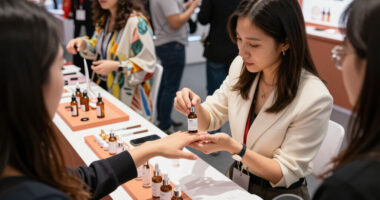
At the Shaka Beauty Hotel, held at Garden Senato in Milan and featuring 37 beauty brands, visitors took a selfie and received an assessment of visible skin features, along with a routine using products available at OVS. Dermaself reported a 75% completion rate across the activation. The source gives no additional definition of how that rate was calculated.
Dermaself argues that the same analysis can serve as a research tool when results from many users are aggregated. The company says brands can examine the prevalence of visible concerns such as dryness, dark spots, blemishes and redness, compare groups where sample sizes allow, and identify needs that may be poorly served by their product ranges.
The company’s Consumer Insights service presents aggregated results in a dashboard, using the same AI analysis offered for product recommendations. Dermaself says the relevant key performance indicators are agreed with each brand at the outset. It also says segment comparisons are shown only when there are enough analyses to support them; the source does not state a universal minimum sample size.
Turning Skin Assessments Into Research
For marketers, the proposal is to add observed skin features to information already gathered through surveys, purchase records and social listening. Those sources can show what customers report or buy, while selfie-based analysis is intended to assess visible features. Comparing the two could help a team test whether a campaign or product range reflects the concerns appearing among its own users.
That distinction could affect practical decisions: which concern leads a campaign, whether messaging differs by country or sales channel, and whether a recurring need has enough matching products. A pattern in aggregated results may also provide a prompt for further research or product development. It is not, by itself, evidence that a product works or that every customer has the same need.
The data’s usefulness depends on who chooses to use the analysis and how the system measures skin features. Results can inform decisions about a brand’s participating audience, but should not be treated as a representative survey of all consumers without further evidence.
Products Worth Considering

Garmin Forerunner 55 GPS Running Smartwatch, Black

Therabody JetBoots Prime Wireless Compression Boots – Regular 30-34 Inseam

BowFlex Results Series 552 SelectTech Adjustable Dumbbell
As an affiliate, we earn on qualifying purchases.
From Product Tool to Audience Data
Beauty companies commonly use questionnaires, focus groups, sales data and social listening to understand customers. The source report says these methods capture stated concerns, expressed opinions or buying behavior, rather than an assessment of visible skin features. Dermaself presents AI analysis of a selfie as an additional layer, not a replacement for those sources.
The company’s proposed workflow has three parts: place the analysis on an existing customer touchpoint, decide which measures matter, and review results as enough data accumulates. Possible touchpoints include an e-commerce site, an in-store tablet or a QR code at an event. The Milan activation is the example provided in the report; it does not establish how results would compare across a brand’s other locations or customer groups.
Dermaself says findings are aggregated and describe groups rather than identified individuals. It says data use and permitted purposes are set out in agreements with brands and in the privacy information shown before analysis. Those details are company statements; the source does not provide the underlying privacy notices or independent verification.
““They describe the people who ran an analysis on the brand’s touchpoints, not the whole beauty market.””
— Dermaself’s report on the scope of aggregated results
Limits of the Milan Event Data
The source does not provide an independent audit of the 2,632 analyses or 75% completion rate, nor does it explain the rate’s denominator. It also does not report how event visitors were recruited, how many were unique individuals, or whether repeat analyses were counted.
The figures describe people who used the analysis at one branded event. They cannot establish the prevalence of skin concerns among all OVS customers or the wider market. The report also does not publish the AI system’s validation method, error rates, or the minimum sample sizes used for audience segments.
Privacy protections are described by Dermaself as based on aggregated reporting and disclosures to shoppers, but the source provides no detailed technical or legal documentation. It is also unclear whether the event data led to specific changes in products, campaigns or future planning.
How Brands Could Use the Findings
The next step for a brand considering this approach would be to choose a customer touchpoint and define the questions it wants the data to answer, such as which concerns are most common or whether needs differ between online and in-store audiences. Dermaself says results can be compared by market, channel or period as the number of analyses grows, with segments included only when the company considers the volume sufficient.
For the Milan activation, the source says the aggregated audience picture could help organisers plan future initiatives, but it does not name a specific follow-up campaign or decision. No additional results, independent evaluation or planned publication date are provided. Whether skin-analysis data changes brand decisions will depend on the size and composition of the participating audience, the quality of the analysis and how teams combine it with other research.
Key Questions
What did the Milan activation report?
Dermaself says visitors completed 2,632 skin analyses during the five-day Shaka Beauty Hotel event at Garden Senato in Milan during Milan Beauty Week 2026. The company also reported a 75% completion rate.
What can aggregated skin-analysis data tell a brand?
Dermaself says it can show which visible skin concerns appear among people using a brand’s analysis, and can support comparisons by age range, market or channel when there is enough data. These results describe participating users, not the wider market.
How is this different from a survey or purchase data?
A survey records what people report, and purchase data records what they buy. AI skin analysis is intended to assess visible features in a selfie, adding a different type of information that brands may compare with their existing research.
Does the analysis identify individual shoppers in brand reports?
Dermaself says Consumer Insights reports aggregated group results rather than findings about identifiable individuals. The source says data use is governed by brand agreements and shopper-facing privacy information, but does not provide the full documentation.
Do the event results represent all beauty customers?
No. The report says the results describe people who used the analysis at the brand’s touchpoints. It does not establish that event visitors represent all OVS customers or the broader beauty market.
Source: cosmeticsbusiness.com