
TL;DR

Get beauty and skincare favorites delivered free with Prime
- Fast, free delivery on millions of items
- Prime Video, Amazon Music and more included
- Member-only deals all year
Glamour UK describes a shift toward relaxed, less coordinated outfits, a mood it calls anti-fashion. The report attributes the change to fatigue with widely copied minimalist aesthetics and to styling influences that mix comfort, subcultures and personal taste; it does not present survey data showing how widespread the shift is.
Glamour UK reports a shift toward what it calls anti-fashion: relaxed outfits, mismatched pieces and practical basics in place of carefully polished, coordinated looks. The report links the mood to consumer fatigue with clean-girl and quiet-luxury aesthetics, while noting that the trend is a cultural reading rather than a change established by sales figures or polling.
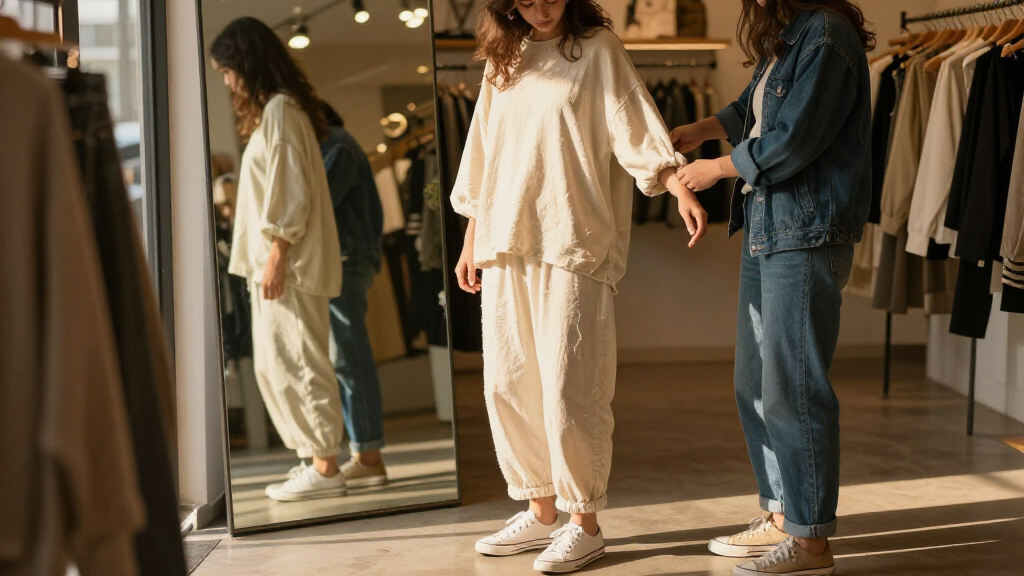
The label does not mean rejecting clothes or fashion altogether. In Glamour UK’s account, it describes an approach that puts comfort, individuality and apparent ease ahead of dressing to match a tightly defined trend. Examples include loose trousers and an oversized shirt, sweatpants with substantial boots, or combining garments associated with different occasions.
Trend forecaster Flo Palmer told Glamour UK that the undone look draws on the 1990s and the 2010s indie-sleaze era. She said it appeared on runways for spring/summer 2024, pointing especially to Miu Miu, and that subsequent seasons had reinforced a move away from clean, highly controlled styling.
The report also points to street-style examples involving Jennifer Lawrence, Zoë Kravitz and Alexa Chung. These are illustrations, not evidence that the celebrities have endorsed an anti-fashion movement. The common styling idea is to wear familiar or practical pieces with less coordination: a statement coat with joggers, for example, or outerwear layered over other outerwear.
Why Relaxed Dressing Is Resonating
The change matters because it signals a different response to an environment in which fashion images and trends circulate quickly online. If consumers are tired of seeing the same polished looks repeated, relaxed combinations can offer a visible way to express personal taste without buying a complete new wardrobe. That interpretation comes from the report and its interview with Palmer, rather than quantified evidence about consumer behavior.
For readers, the practical point is that the label is not a prescribed uniform. The report frames anti-fashion as permission to adapt clothes people already wear: loosen a familiar silhouette, layer pieces unexpectedly or combine patterns. Its emphasis is on personal styling rather than a strict set of rules, even as “anti-fashion” itself becomes a trend name.
Products Worth Considering

OMRON VIVA 360+ Body Composition Monitor and Smart Scale
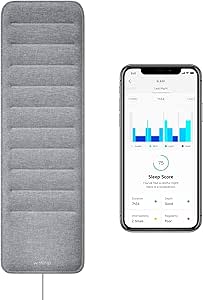
Withings Sleep Under-Mattress Sleep Tracking Pad
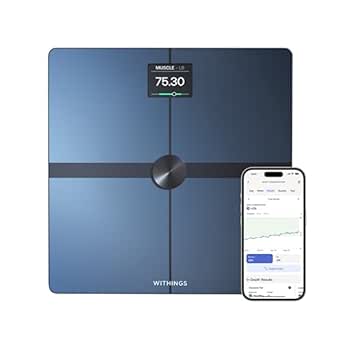
Withings Body Smart Wi-Fi and Bluetooth Smart Scale
As an affiliate, we earn on qualifying purchases.
From Clean Girl to Intentional Disorder
The report places anti-fashion after a period when quiet luxury and clean-girl styling had strong visibility. Those looks generally favor restraint and a neat, coordinated appearance. Palmer told Glamour UK that consumers had grown tired of seeing minimalist trends duplicated on the high street and wanted more personality and craft.
Glamour UK also credits Gen Z’s eclectic styling with helping normalize baggier clothes and combinations drawn from different subcultures and nostalgic references. It describes the evolution as a shift from an intentionally casual, skater-influenced look toward outfits that mix relaxed basics with standout accessories or more formal pieces. The report cites Miu Miu’s spring/summer 2024 runway as a prominent point in the trend’s recent fashion-industry visibility.
““The undone look is inspired by the 1990s and indie sleaze 2010s.””
— Flo Palmer, trend forecaster, speaking to Glamour UK
How Broad Is the Shift?
The report describes a visible fashion mood, but does not provide sales data, consumer surveys or other measurements establishing how many people are changing how they dress. “Everyone” in the article’s framing should not be read as a measured claim about the population.
It is also unclear whether anti-fashion will persist as a distinct direction or be absorbed into the regular cycle of trends. The report presents examples and expert interpretation, but does not establish that consumers have broadly abandoned minimalist fashion or that brands across the market are changing their designs in response.
Whether the Mood Lasts
The report points to the seasons after spring/summer 2024 as continuing to reinforce the undone look, but gives no forecast with a specific timeline for what follows. The next indication will be whether relaxed, mismatched styling remains visible in runway collections, street style and retail offerings—or whether it gives way to another clearly defined aesthetic.
For now, the development is best understood as a reported shift in styling language, not a confirmed industry-wide break. Readers can watch for whether brands and shoppers sustain the interest Palmer describes in personality, craft and less uniform dressing.
Key Questions
What does “anti-fashion” mean in this report?
It refers to relaxed, less coordinated dressing that favors comfort and personal taste over a polished, trend-led appearance. It does not mean rejecting fashion or clothes altogether.
Why is the look gaining attention?
Trend forecaster Flo Palmer told Glamour UK that consumers are tired of seeing quiet-luxury and clean-girl styles repeated and want more personality. That is her assessment; the report does not include polling to quantify it.
When did this style become visible on runways?
Palmer told Glamour UK that the undone look appeared on runways for spring/summer 2024, with Miu Miu among the examples she cited.
Do you need to buy new clothes to try it?
No. The report presents the idea as a way to style existing pieces, such as wearing comfortable basics with unexpected layers or mixing items associated with different occasions.
Is anti-fashion replacing minimalist style everywhere?
That has not been established. Glamour UK describes a shift in fashion mood, but offers no market-wide sales or survey evidence showing that minimalist dressing has broadly been replaced.
Source: rss