During a piercing appointment, a professional will review your medical history, discuss your desired style, and explain each step of the process. You’ll feel a quick pinch or sting as the needle passes through your skin, which is usually over in seconds. They’ll insert your jewelry carefully, check for comfort, and give you aftercare advice. Want to know more about how to make your healing smooth and easy? Keep going for detailed tips.
Key Takeaways
- The piercer reviews your medical history and discusses your preferred piercing location and style before starting.
- Expect a quick, sharp pinch as the needle passes through your skin, with sensations varying by area and individual pain tolerance.
- Numbing agents are available, but most procedures only take seconds, minimizing discomfort.
- Jewelry is inserted immediately after the needle, and minor bleeding or swelling may occur afterward.
- Proper aftercare, including cleaning and avoiding irritation, is essential for healing and infection prevention.
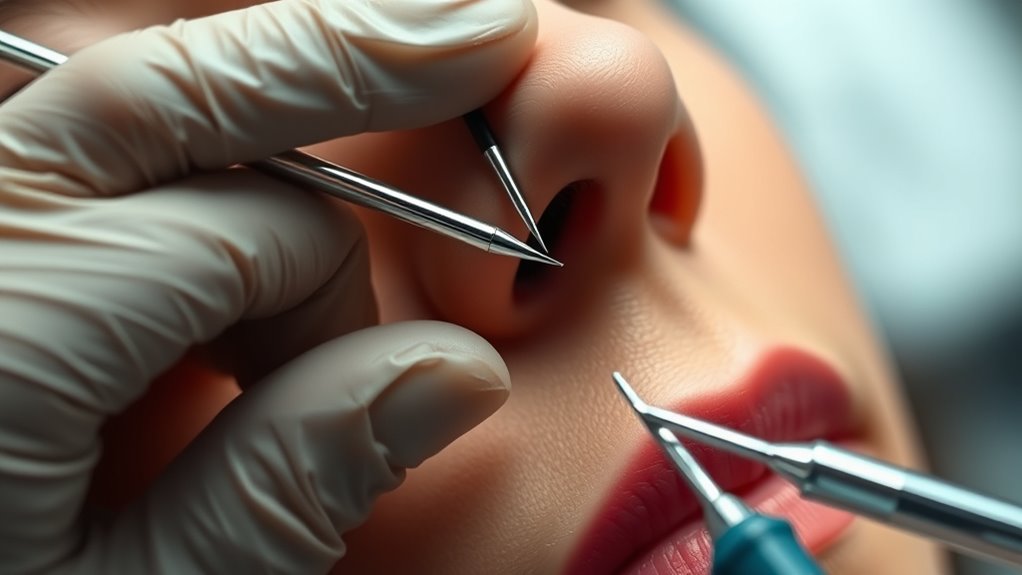
Getting a piercing is an exciting experience, but knowing what to expect can help ease any nerves. When you walk into the piercing studio, you’ll likely be greeted by a professional who will review your medical history and discuss your desired piercing. They’ll explain the procedure step-by-step, making sure you’re comfortable and informed. This is your chance to ask questions and voice any concerns. Once you’re ready, they’ll clean the area thoroughly to reduce the risk of infection. You might notice some antiseptic smells or feel the coolness of the cleaning solution, but this is all part of preparing your skin.
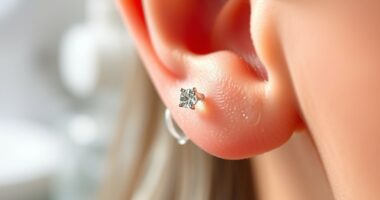
During the actual piercing, you’ll feel a quick pinch or sting, followed by a sharp sensation as the needle passes through your skin. The pain is usually brief, often described as a sharp but fleeting discomfort. To manage pain effectively, the piercer may suggest breathing techniques or distraction methods to keep you calm. Some studios also offer numbing agents, like topical anesthetics, which can help reduce discomfort if you’re particularly nervous. Remember, the sensation varies depending on your pain tolerance and the location of the piercing. For example, cartilage piercings tend to be more painful than lobe piercings, but regardless, the procedure is over in seconds. Additionally, the type of jewelry used, such as a Flat Iron Bike, can influence the healing process and comfort.
Once the needle is through, the piercer will insert the jewelry and secure it. They’ll check the placement, ensuring it looks good and feels comfortable. After the piercing, you might experience some minor bleeding or swelling, but this is normal. The professional will give you specific aftercare tips to keep the area clean and promote healing. Proper aftercare is vital — avoid touching or twisting the jewelry, and steer clear of harsh chemicals or irritants. Use the recommended saline solution or gentle cleansers to rinse the piercing regularly. Keeping the piercing dry and avoiding unnecessary contact reduces the risk of infection and helps your new jewelry heal properly.
Pain management and aftercare tips are key to a smooth healing process. Follow your piercer’s instructions carefully, and don’t hesitate to reach out if you notice signs of infection or persistent pain. Remember, healing times vary depending on the piercing, but patience and diligent aftercare will ensure your piercing heals nicely. Ultimately, being prepared and knowing what to expect will help you stay calm and confident throughout the experience, allowing you to enjoy your new jewelry once healing is complete.
Frequently Asked Questions
Are There Any Risks of Allergic Reactions During Piercing?
Yes, there’s a risk of allergic reactions during piercing, especially if you’re sensitive to certain jewelry materials. Nickel is a common allergen that can cause redness, itching, or swelling. To minimize this, choose hypoallergenic jewelry like surgical steel, titanium, or gold. Always inform your piercer about any allergies beforehand, and monitor your skin afterward. If you notice adverse reactions, seek professional advice promptly to prevent complications.
How Long Does the Piercing Process Usually Take?
The piercing process usually takes just a few minutes, typically around 5 to 15 minutes, depending on the piercing and your comfort. Before starting, the piercer might use local anesthesia to numb the area, making the experience more comfortable. Once prepared, they quickly perform the piercing, keeping the piercing duration short to minimize discomfort and guarantee proper placement. Expect the entire process to be brief, efficient, and tailored to your specific piercing needs.
Can I Choose My Jewelry Beforehand?
You can definitely choose your jewelry beforehand, so it’s a win-win situation. During your pre-piercing consultation, discuss jewelry customization options to make sure your style and comfort are prioritized. Picking your jewelry in advance helps streamline the procedure and reduces surprises. Just remember, your piercer might suggest certain materials or styles based on your anatomy and healing needs. So, come prepared with ideas, but stay open to expert advice.
What Should I Do if I Experience Severe Pain?
If you experience severe pain during or after your piercing, stop and inform your piercer immediately. They can help with pain management options, such as applying ice or recommending over-the-counter pain relievers. Follow the aftercare tips carefully, including keeping the area clean and avoiding irritants, to promote healing. If pain persists or worsens, consult a healthcare professional promptly to prevent complications.
Is It Safe to Get Multiple Piercings at Once?
Getting multiple piercings at once is like planting several seeds in one garden—if done safely, it can flourish; if rushed, it risks overgrowth. Piercing safety depends on your body’s ability to heal, so consult your piercer about your health and avoid tattoo concerns that could complicate healing. Trust their expertise, follow aftercare instructions, and don’t push your limits—your skin’s resilience needs time to recover.
Conclusion
Remember, getting pierced is like stepping into a new chapter—exciting but nerve-wracking. When I got my first earring, the moment felt sharp but brief, like a lightning strike that quickly fades. Most people report similar experiences: a quick pinch followed by relief. Knowing what to expect helps you stay calm and confident. Embrace the process, and soon you’ll be proud of your fresh, bold look—ready to shine with your new piercing.