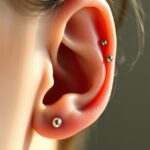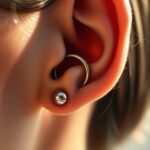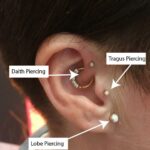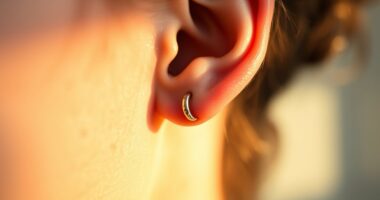
While many believe daith piercings can help relieve migraines, scientific evidence remains limited and inconclusive. The idea is based on stimulating ear points, similar to acupuncture, which might influence pain pathways. However, most studies are anecdotal, and risks like infection or allergic reactions exist. If you’re considering this method, it’s important to weigh potential benefits against dangers and consult a healthcare professional. To uncover more about the myth versus science behind daith piercings, keep exploring the facts.
Key Takeaways
- Scientific evidence supporting daith piercing as an effective migraine treatment is limited and mainly anecdotal.
- The proposed mechanism is similar to acupuncture, but lacks robust clinical validation.
- Risks include infection, allergic reactions, and complications, requiring professional piercing standards.
- Current research does not conclusively confirm that daith piercing reduces migraine frequency or severity.
- It should be considered a complementary approach, not a substitute for conventional migraine management.
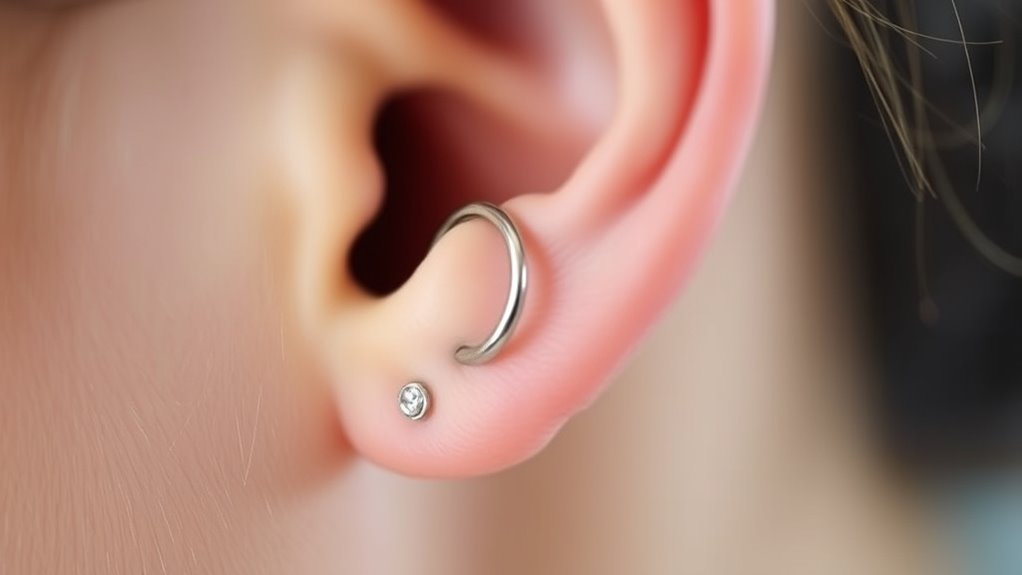
Many people turn to alternative treatments when traditional methods don’t fully relieve their migraines, and one popular option is daith piercing. This procedure involves piercing the cartilage fold in your ear’s inner ear, and some claim it can reduce migraine frequency or intensity. While this idea has gained popularity, you should understand that the connection between daith piercings and migraine relief is still under debate. Many seek out alternative therapies like this because they’re looking for pain management options that might be less invasive or have fewer side effects than medication.
Many seek alternative migraine treatments like daith piercings for less invasive pain relief options.
The premise behind daith piercing as a migraine remedy is rooted in the idea that stimulating specific points in the ear can influence pain pathways or nerve signals associated with migraines. Proponents suggest that piercing this particular cartilage might trigger a neural response similar to acupuncture or acupressure, which have long been used in alternative therapies to manage pain. Some individuals report feeling a reduction in migraine frequency or severity after getting their daith pierced, fueling the hope that this method could serve as a natural, non-pharmacological pain management strategy.
However, the scientific evidence supporting daith piercing as an effective treatment for migraines remains limited. There are few rigorous clinical trials or peer-reviewed studies to substantiate these claims. Most of the evidence is anecdotal, based on personal testimonials rather than scientific research. This means you should approach the idea of daith piercing for migraines with caution. While some individuals swear by it, others don’t experience any benefit. It’s important to remember that migraines are complex neurological conditions, and what works for one person may not work for another.
If you’re considering a daith piercing as an alternative therapy for pain management, weigh the potential benefits against the risks. Piercing always involves some risk of infection, allergic reactions, or other complications, especially if not performed by a professional. Consulting with a healthcare provider before trying it is vital, especially if you have underlying health conditions or are on medication. Keep in mind that alternative therapies like daith piercing should not replace conventional migraine treatments but could be considered complementary options once you’ve discussed them with your doctor.
Although some anecdotal reports suggest benefits, scientific research on this topic remains inconclusive, emphasizing the need for further studies to validate the effectiveness of daith piercings for migraines. Ultimately, while some people find relief through alternative therapies like daith piercing, scientific evidence supporting its effectiveness is lacking. It’s essential to approach this option with realistic expectations and prioritize safe, evidence-based approaches to pain management. If you’re exploring new treatments, always seek guidance from healthcare professionals to ensure your safety and optimize your migraine management plan.
Frequently Asked Questions
How Long Does It Take for a Daith Piercing to Heal Completely?
A daith piercing typically takes about 6 to 9 months to heal completely. During this healing timeline, you’ll need to follow proper aftercare tips like cleaning the piercing regularly and avoiding irritating products. Keep the area dry and avoid touching it with dirty hands. Patience is key; don’t rush the healing process, and stay consistent with your aftercare routine to guarantee a smooth recovery.
Are There Any Risks Associated With Daith Piercings?
Yes, there are risks with daith piercings. You might face infection risks if you don’t keep the area clean or if bacteria enter the wound. Jewelry allergies are also possible if you’re sensitive to certain metals, causing irritation or swelling. To minimize these risks, follow proper aftercare, choose hypoallergenic jewelry, and see a professional piercer. If you notice redness, pain, or swelling, consult a healthcare provider promptly.
Can a Daith Piercing Interfere With MRI Scans?
A daith piercing can act like a tiny magnet, potentially interfering with MRI safety and jewelry interference. During an MRI, metal jewelry may cause artifacts or distort the scan, and some piercings could pose safety risks. It’s essential to remove the jewelry before your scan to make certain of clear images and avoid injury. Always inform your technician about your piercing to prevent complications and guarantee accurate results.
What Materials Are Best for Preventing Allergic Reactions?
To prevent allergic reactions, you should choose hypoallergenic metals like surgical stainless steel, titanium, or niobium. These materials are ideal because they minimize skin sensitivity and reduce the risk of irritation. If you have known allergies, avoid nickel or low-quality metals. Always check with your piercer about the materials used and opt for high-quality, hypoallergenic options to guarantee your skin stays healthy and reactions are kept at bay.
Is There Any Scientific Evidence Linking Daith Piercings to Migraine Relief?
You might think daith piercings help with migraines, but science shows no solid evidence. Studies comparing daith piercings, ear acupuncture, and placebo effects find no conclusive proof that piercings relieve migraines. While some people report relief, it’s likely a placebo effect or psychological response. You should consider proven treatments instead of relying solely on daith piercings, as current research doesn’t support a direct scientific link.
Conclusion
While some believe daith piercings can ease migraines, science doesn’t back it up. Imagine Sarah, who got a daith piercing hoping for relief, only to find her migraines unchanged. It’s tempting to try these trendy fixes, but remember, they’re not proven treatments. Instead, consult a healthcare professional for proven options. Keep your expectations realistic, and don’t rely solely on piercings—you deserve safe, effective care.