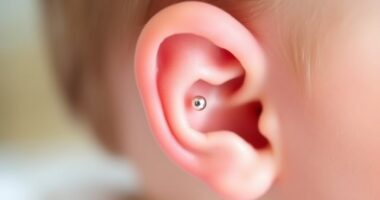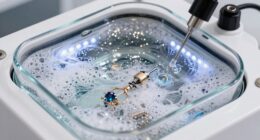

Getting your first piercing as an adult brings some changes, like choosing a better spot, understanding that the pain might be more manageable, and knowing how your body will react during healing. You’ll need to adopt proper aftercare habits, avoid certain activities, and be patient as your body heals. Since you’re more aware of safety and hygiene now, your experience can be smoother. Keep exploring to learn how to make your piercing journey safe and successful.
Key Takeaways
- Adults typically experience less pain due to better pain tolerance and proper technique during piercing.
- Healing times may be longer or more predictable compared to younger individuals.
- Prioritize choosing a reputable piercer with proper sterilization to minimize risks and ensure safety.
- Aftercare routines and precautions become more crucial to prevent infections and promote healing.
- Emotional readiness and confidence often increase, leading to a more positive piercing experience.
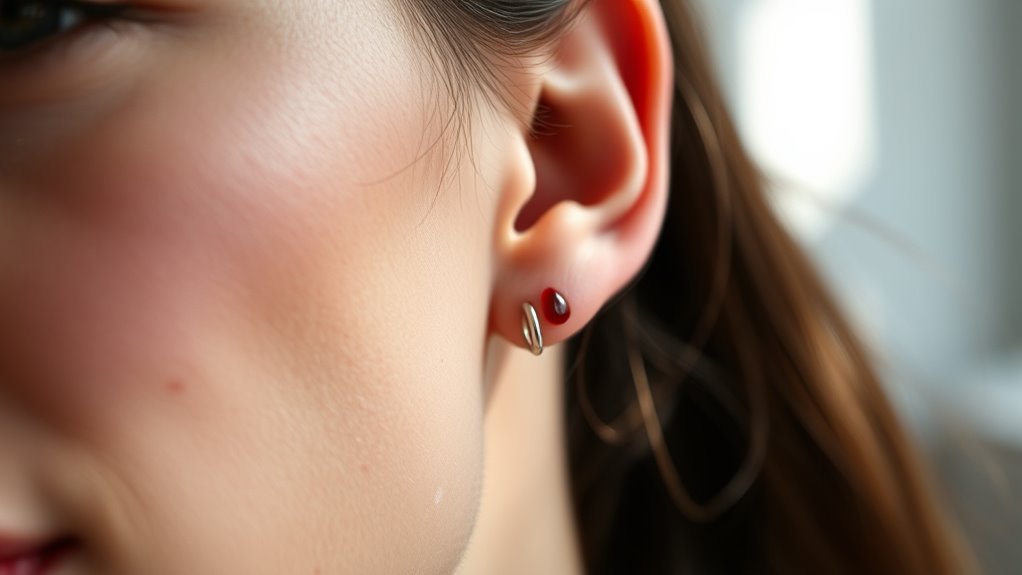
Have you ever considered getting your first piercing as an adult? It’s a decision that can bring a sense of empowerment and self-expression, but it’s natural to feel a bit apprehensive about the process. One of the first questions many people ask is about piercing pain. While pain levels vary depending on the location and your personal pain tolerance, most adults find that the discomfort is manageable. The initial pinch or sting lasts only a moment, and after that, you might feel some throbbing or tenderness, especially during the first day or two. Knowing what to expect can help you prepare mentally and physically. For example, choosing a reputable piercer who uses sterilized equipment and proper techniques will considerably reduce the risk of infection and unnecessary pain.
Once you’ve gone through the piercing process, the focus shifts to aftercare tips. Proper aftercare is vital to ensure your piercing heals well and looks great long-term. You’ll want to keep the area clean by gently washing it with saline solution or a piercing aftercare solution recommended by your piercer. Avoid harsh chemicals like alcohol or hydrogen peroxide, as they can irritate the skin and delay healing. It’s also important to avoid touching or twisting the jewelry, as this can introduce bacteria and cause discomfort or infections. During the healing process, you might notice some swelling, redness, or a bit of crusting, which are normal signs of healing. However, if you experience excessive pain, swelling that worsens, or pus, you should consult your piercer or a healthcare professional promptly.
Proper aftercare ensures your piercing heals beautifully—keep it clean, avoid irritants, and watch for signs of infection.
Another key aspect of aftercare tips is to be cautious with your daily habits. Sleep on your back or avoid sleeping directly on the piercing to prevent unnecessary pressure. Keep hair, makeup, and other potential irritants away from the fresh piercing. Additionally, avoid swimming in pools, hot tubs, or any bodies of water that might harbor bacteria until your piercing is fully healed. As you go through the healing process, it’s good to remember that patience is essential. Healing times vary depending on the piercing, but most adult piercings take several weeks to a few months to fully heal. During this time, sticking to your aftercare routine and being gentle with the area will help you avoid complications and enjoy your new piercing confidently.
Understanding the healing process and taking proper precautions can significantly improve your experience and results. Getting your first piercing as an adult is an exciting step. By understanding the piercing pain and following simple aftercare tips, you can guarantee a smooth healing process and feel proud of your new look. Embrace the experience, and don’t rush your healing—your body will thank you for taking good care of it.
Frequently Asked Questions
Are There Specific Health Considerations for Adult Piercings?
Yes, there are specific health considerations for adult piercings. You should be aware of infection risk, especially if you have a weakened immune system or poor aftercare. Allergic reactions are also possible, particularly if you’re sensitive to certain metals like nickel. To minimize these risks, choose reputable piercers, use high-quality jewelry, and follow proper cleaning routines. Consult a healthcare professional if you notice persistent swelling, redness, or pain.
How Should I Choose a Professional Piercing Artist?
You should choose a professional piercing artist based on their experience and adherence to strict sterilization standards. Look for a reputable shop with clean facilities, and ask about their training and certifications. Observe their tools and hygiene practices, and don’t hesitate to ask questions about aftercare. Trust your instincts—select an artist who makes you feel comfortable and confident in their professionalism to guarantee a safe, positive piercing experience.
What Are the Long-Term Care Requirements for Adult Piercings?
Think of caring for your piercing like tending a delicate garden. You must follow consistent aftercare routines, including cleaning the area gently and avoiding irritants. Infection prevention is key, so keep the piercing dry and avoid touching it with dirty hands. Over time, this routine helps your piercing heal properly and stay healthy. Stay attentive, and your piercing will flourish, remaining vibrant and safe long-term.
Can I Get a Piercing if I Have Existing Skin Conditions?
Yes, you can get a piercing if you have existing skin conditions, but first, you should undergo a skin condition assessment. Your piercer needs to know about your skin issues to determine the safest approach. Additionally, consider allergy considerations, especially if you’re allergic to certain metals. They might recommend hypoallergenic jewelry or specific aftercare to minimize irritation and promote healing. Always consult with a dermatologist before proceeding.
How Do Age-Related Skin Changes Affect Healing Times?
As you age, skin elasticity decreases and collagen production slows down, which can lengthen your piercing healing times. Your skin becomes less resilient, making it more prone to stretching or tearing, and it heals more slowly overall. To promote faster healing, keep the pierced area clean, avoid unnecessary trauma, and follow your piercer’s aftercare instructions. Patience is key, as older skin naturally requires more time to recover.
Conclusion
Getting your first piercing as an adult is a bold step toward self-expression and embracing change. It’s natural to feel a mix of excitement and nerves, but remember, this decision reflects your unique personality. So, why not embrace the transformation and celebrate your individuality? After all, life’s too short to hold back on what makes you feel truly yourself. Are you ready to take that first step and let your style shine?