
To combine multiple piercings safely, prioritize using high-quality, hypoallergenic jewelry and space out healing times between each piercing. Follow proper aftercare routines with regular cleaning, avoiding trauma, and watching for signs of infection. Always consult with a professional piercer for guidance on timing and jewelry choices, and resist switching jewelry until each piercing is fully healed. If you want to learn more about managing multiple piercings effectively, keep exploring trusted tips and expert advice.
Key Takeaways
- Consult a professional piercer to plan placement and ensure proper healing timelines for each piercing.
- Use high-quality, hypoallergenic jewelry to reduce irritation and support safe healing.
- Prioritize healing time by waiting until each piercing fully recovers before adding or changing jewelry.
- Follow strict aftercare routines, including regular cleaning and avoiding trauma or pressure on piercings.
- Monitor for signs of infection or complications and seek professional advice promptly if issues arise.

Getting multiple piercings at once can be exciting, but it’s important to prioritize safety to prevent complications. When you decide to get several piercings, understanding the healing process is essential. Each piercing will have its own timeline, but generally, the healing process can take anywhere from a few weeks to several months, depending on the location and your body’s response. During this time, your body works to repair the tissue, and proper aftercare becomes critical to avoid infections or rejection. If you’re planning multiple piercings, you should be prepared to manage this healing period carefully, cleaning each site regularly and avoiding unnecessary trauma or irritation.
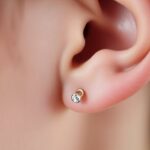
Jewelry selection plays a significant role in ensuring a smooth healing process. Choosing the right jewelry from the start can reduce the risk of complications. Opt for high-quality materials like surgical steel, titanium, or niobium, which are hypoallergenic and less likely to cause allergic reactions or infections. When selecting jewelry, consider the size and shape—smaller, lightweight pieces are often better initially because they put less pressure on the piercing and minimize discomfort. Additionally, smooth and rounded edges help prevent irritation and tissue damage. Avoid cheap metals or jewelry with unnecessary embellishments during the initial healing phase, as these can harbor bacteria or cause friction.
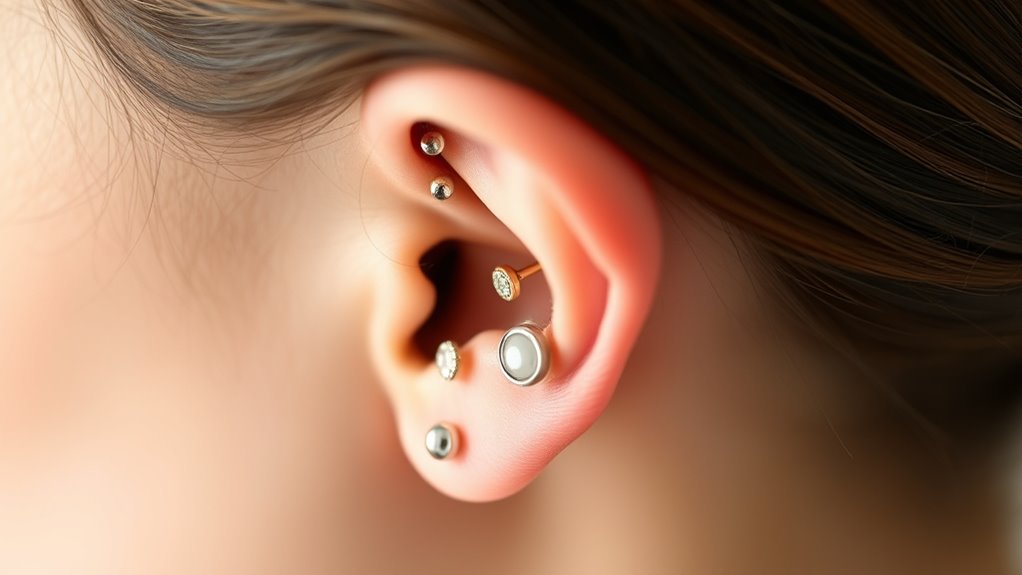
Choose high-quality, hypoallergenic jewelry with smooth edges to promote healing and prevent irritation.
It’s also wise to consult with a professional piercer when selecting jewelry. They can recommend the best options based on your anatomy and healing needs. Proper jewelry selection not only supports faster healing but also reduces the chances of migration or rejection. After piercing, follow the piercer’s advice on when and how to switch jewelry—usually, you should wait until the piercing is fully healed before trying to change to your preferred decorative pieces.
Furthermore, understanding the importance of proper aftercare and maintaining good hygiene practices can significantly impact the healing process and reduce the risk of complications. While the healing process might seem straightforward, it’s easy to forget that each piercing responds differently based on location, your skin type, and aftercare routines. Be patient and attentive to any signs of trouble, such as excessive redness, swelling, or discharge. If you experience persistent discomfort or suspect an infection, seek professional advice promptly. Combining multiple piercings can be a fun way to express yourself, but doing so safely demands careful planning, particularly when it comes to managing the healing process and selecting the right jewelry. Prioritizing these aspects will help you enjoy your new piercings without unnecessary setbacks or health risks.
Frequently Asked Questions
Can I Get Multiple Piercings in Different Body Parts at Once?
Yes, you can get multiple piercings in different body parts at once, but you should prioritize piercing safety. Make sure your piercer is experienced and follows strict hygiene standards. Coordinating body parts is also important to prevent excessive pain or swelling. Allow adequate healing time between piercings, and listen to your body. Consulting with a professional beforehand helps guarantee safe, successful multiple piercings without complications.
How Long Should I Wait Between Piercing New Areas?
Think of your skin as a garden needing time to bloom. You should wait at least 6-8 weeks between piercing new areas, allowing each to heal fully. During piercing healing, be mindful of jewelry materials—choose hypoallergenic options to prevent irritation. Rushing can turn a delicate flower into a wilted one, so patience guarantees each piercing stays healthy and beautiful, ready to shine without complications.
Are There Specific Jewelry Materials Safer for Multiple Piercings?
You should choose jewelry made from hypoallergenic options like surgical steel, titanium, or niobium to reduce irritation, especially when you have multiple piercings. These materials are durable, resisting corrosion and tarnishing, which keeps your piercings safe and comfortable as they heal. Avoid cheap or nickel-based jewelry, as they can cause reactions. Prioritize high-quality, hypoallergenic pieces to guarantee your piercings stay healthy and look great over time.
What Are Signs of an Infection in Multiple Piercings?
You should watch for signs of infection like increased redness, swelling, pain, warmth around the piercing, or pus discharge. If you notice these piercing complications, such as persistent tenderness or foul odor, seek professional advice promptly. Ignoring signs of infection can lead to more serious issues. Keep your piercings clean, avoid unnecessary touching, and monitor them closely to prevent complications and guarantee proper healing.
How Can I Minimize Discomfort During Multiple Piercings?
To minimize discomfort during multiple piercings, you can ask your piercer about numbing agents to reduce pain. Stay relaxed and breathe deeply, which helps with pain management. Avoid caffeine or alcohol beforehand, as they can increase sensitivity. Communicate your concerns, and trust your piercer’s expertise. Remember, staying calm and prepared makes the process more comfortable and less stressful for you.
Conclusion
Remember, combining multiple piercings can be stylish, but safety should always come first. Follow proper aftercare, give your skin time to heal, and consult a professional if you notice any issues—think of it like maintaining a vintage car; neglect can cause rust. Patience and caution ensure your new look stays dazzling instead of turning into a disaster. Stay informed, take your time, and you’ll rock your piercings confidently without risking a trip to the healer.