For multiple piercing sessions, careful planning and timing are essential to ensure optimal healing and stunning results—discover how to master your project effectively.
When planning multiple piercing sessions, you should carefully space out each one to allow proper healing time and prevent complications. Choose high-quality jewelry and adjust styles to match your evolving look. Scheduling with plenty of time between piercings helps avoid longer healing periods and reduces risks. Patience with the process and proper aftercare are key. Keep in mind that each step influences the final result—exploring further will help you craft a successful, beautiful piercing plan.
Space out piercing sessions to allow proper healing and prevent complications.
Consult with a professional piercer to coordinate jewelry choices and timing.
Plan for varying healing times depending on piercing location and complexity.
Prepare for potential swelling and adjust jewelry accordingly during recovery.
Prioritize patience and aftercare to ensure successful healing of all piercings.
Piercing sessions are an exciting way to express your personal style and make a bold statement. When planning multiple piercings, especially for complex projects, understanding how each step interacts with the others is essential. One of the first things you’ll want to consider is the healing process. Multiple piercings can extend your healing time, so it’s necessary to be patient and prepared for the recovery period. Knowing that each piercing may heal at a different pace helps you plan your schedule accordingly. For example, cartilage piercings typically take longer to heal than earlobe piercings, so you might want to space out your sessions to avoid overwhelming your body and to give each piercing the attention it needs for proper healing. During this process, avoid touching or changing jewelry prematurely to prevent infections or complications. Following your piercer’s aftercare instructions closely will also help guarantee your healing progresses smoothly, reducing the risk of scarring or rejection. Additionally, understanding the healing process can guide you in managing expectations and avoiding unnecessary setbacks.
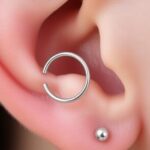
Another essential aspect of planning multiple piercing projects involves jewelry selection. The right jewelry not only enhances your style but also influences your healing. Opt for high-quality materials like surgical steel, titanium, or hypoallergenic options to minimize irritation. If you’re considering complex designs or multiple piercings, think about how the jewelry will complement each other and your overall look. For example, choosing hoops, studs, or barbells that coordinate can create a cohesive aesthetic. Keep in mind that some jewelry styles may need to be swapped out during healing to accommodate swelling or to reduce pressure on healing tissue. Communicating with your piercer about your jewelry choices helps guarantee you select pieces that are both safe and suitable for your healing process. It’s also helpful to keep a variety of jewelry on hand, so you can switch pieces as needed, promoting comfort and faster recovery.
Planning multiple piercing sessions requires a strategic approach to guarantee each piercing is given adequate time and attention. Schedule your sessions with enough intervals to allow healing, and be prepared for some discomfort or swelling during the process. Remember, rushing through multiple piercings without proper planning can lead to longer healing times, infections, or unsatisfactory results. By carefully considering your healing process and choosing jewelry thoughtfully, you set yourself up for a successful and satisfying body modification experience. Patience, proper aftercare, and good communication with your piercer will help you achieve the look you want while maintaining your health throughout the journey.
Frequently Asked Questions
How Do I Choose the Right Piercer for Complex Projects?
You should choose a piercer with strong credentials and a reputable studio that prioritizes hygiene. Check their certifications and experience with complex projects to guarantee they’re qualified. Visit the studio beforehand to observe cleanliness and professionalism. Ask for references or reviews from previous clients. Trust your instincts and select someone who communicates clearly and makes you feel comfortable, ensuring your piercing experience is safe and successful.
What Safety Precautions Are Necessary for Multiple Piercing Sessions?
Think of safety as your shield. You should always follow strict hygiene protocols and guarantee equipment sterilization before every session. Wear disposable gloves, use sterilized needles, and keep your workspace clean. Avoid touching unsterilized surfaces and communicate openly with your piercer about any concerns. These precautions help prevent infections and ensure a safe, smooth experience, reminding you that safety isn’t just a step—it’s the foundation of your piercing journey.
How Long Should I Wait Between Each Piercing Session?
You should wait at least six to eight weeks between piercing sessions to allow proper healing. This healing timeline helps prevent infections and guarantees each piercing heals fully before adding another. Rushing increases the risk of complications and delays overall healing. Always follow your piercer’s advice, keep the area clean, and monitor for signs of infection. Patience is key to safe, successful multiple piercings.
Are There Specific Aftercare Routines for Multiple Piercings?
Imagine gentle waves washing over your new piercings—your cleaning regimen keeps them calm and healthy. For multiple piercings, follow a specific aftercare routine, including saline soaks and avoiding irritants. Stick to the recommended healing timeline for each piercing, and don’t rush the process. Consistency is key; your attentive care guarantees each piercing heals smoothly, reducing discomfort and preventing infection. Keep monitoring your piercings for signs of trouble, and consult your piercer if needed.
What Are Potential Risks of Scheduling Multiple Piercings Simultaneously?
Scheduling multiple piercings at once can increase your infection risk and lead to healing complications. Your immune system might become overwhelmed, making it harder for your body to fight off bacteria and recover properly. Additionally, the skin may become more irritated, prolonging healing time and raising the chances of scarring. To minimize these risks, consider spacing out your piercings and following strict aftercare routines.
Conclusion
So, you’ve mastered the art of juggling multiple piercing sessions—because apparently, your calendar isn’t busy enough already. Who knew planning complex projects could be as delicate as threading a needle… through several ears? Just remember, when your schedule looks more like a haunted maze, it’s all about patience, precision, and a dash of madness. Congratulations, you’re officially the Picasso of piercing planning—minus the paint, plus a lot of pain.
Threadless vs Internally Threaded Jewelry: Which Cleans Up Easier?
Just discovering the differences between threadless and internally threaded jewelry reveals which style simplifies cleaning—keep reading to find out more.
Surface Bar Innovations: How Flexible PTFE Is Changing the Game
The transformative impact of flexible PTFE surface bar innovations is reshaping industries—discover how these advances are revolutionizing material performance and durability.