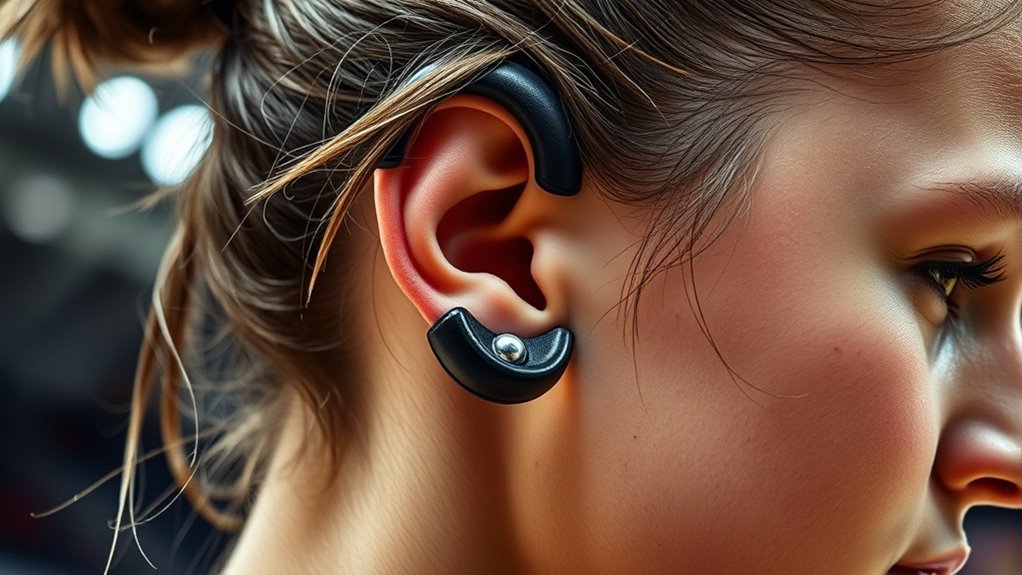
During sports, covering or removing jewelry and piercings is vital for your safety. Jewelry can catch on equipment or clothing, risking tears, lacerations, or serious injuries. If you can’t remove piercings easily, consider using jewelry covers or shields as temporary protection. However, removing jewelry remains the safest way to prevent accidents. Ensuring safety doesn’t mean sacrificing style—discover more tips on how to protect your piercings effectively.
Removing jewelry before sports activities reduces the risk of tearing, lacerations, and injuries.
Jewelry covers or shields can be used temporarily when removal isn’t possible, but are less effective.
Always check sport-specific safety rules regarding jewelry to ensure compliance and prevent penalties.
Regularly monitor and clean piercings if jewelry remains during low-impact activities to promote healing.
Prioritize removal for high-impact or contact sports to ensure maximum safety and injury prevention.
Have you ever wondered why piercing in sports is a controversial topic? It’s mainly because of concerns around injury prevention and safety. When you participate in sports, especially contact or high-impact activities, jewelry can pose real risks. Earrings, nose rings, or other piercings can get caught on equipment, clothing, or even other players. This can lead to painful injuries, such as tearing of the piercing site, lacerations, or even more serious damage. That’s why many coaches and sports organizations recommend jewelry removal before practices and games. Removing jewelry isn’t just about adhering to rules; it’s a proactive step to protect yourself from potential harm.
Jewelry removal is often the simplest and most effective way to minimize injury risks. If you’re passionate about keeping your piercings, consider planning ahead. You might want to remove your jewelry before the season starts or before engaging in intense training. If you’re worried about losing small pieces, some athletes use clear, flexible jewelry covers or sports-specific accessories that secure the piercing and reduce the risk of catching or pulling. However, these aren’t foolproof, so removing jewelry remains the safest option.
Some athletes opt for piercing covers or shields, which act as a barrier between jewelry and equipment. These are useful in situations where jewelry can’t be removed easily, but they shouldn’t replace jewelry removal entirely. They’re more of a temporary compromise rather than a long-term solution. Ultimately, injury prevention takes priority—your safety should always come first. Keep in mind that some sports have strict rules about jewelry, and failure to comply can lead to disqualification or delays. Always check your league’s regulations beforehand, so you’re prepared.
If you decide to keep your piercing in during non-contact sports or low-impact activities, make sure to double-check its stability and cleanliness. Clean the piercing regularly and monitor for signs of irritation or infection. But for high-impact or contact sports, removing jewelry is the best way to avoid accidents and serious injury. It’s a simple precaution that can save you from painful setbacks and long-term complications. Remember, your body’s safety should never be compromised for the sake of style or convenience. Net worth and other factors can influence how athletes approach safety and personal choices. By prioritizing injury prevention and removing jewelry when needed, you’re taking responsible steps to protect yourself and enjoy your sport safely.
Frequently Asked Questions
Are There Specific Sports That Prohibit Facial Piercings?
Many sports prohibit facial piercings due to regulatory restrictions and safety concerns. You should check the rules for each sport, as some, like football and basketball, often restrict facial jewelry to prevent injuries. Cultural considerations also come into play, with certain sports emphasizing uniformity and safety. Always guarantee your piercings are properly covered or removed to avoid penalties and protect yourself during play.
How Do I Prevent Jewelry From Falling Out During Sports?
To prevent jewelry from falling out during sports, you should remove your jewelry before playing, as part of your sports safety routine. If removal isn’t possible, use sports-specific jewelry covers or tape to secure it. Regularly check your jewelry during breaks to make certain it stays in place. Remember, prioritizing jewelry removal helps avoid injury and keeps you safe during physical activity.
What Types of Sports-Safe Jewelry Are Recommended?
For sports-safe jewelry, you should choose pieces specifically designed as safety accessories. Look for sports jewelry made from medical-grade silicone or flexible plastics, which are less likely to cause injury or fall out. Avoid metal jewelry during intense activities, and opt for seamless or smooth designs to prevent snagging. These sports jewelry options keep you safe and comfortable, ensuring your piercing stays protected while you focus on your game.
How Often Should I Check for Jewelry-Related Injuries?
Think of your body as a garden that needs regular tending. You should check for jewelry-related injuries before each sporting session and afterward, especially if you notice any redness, swelling, or pain. Keep an eye out for injury signs, and maintain jewelry hygiene to prevent infections. Regular checks help you catch issues early, ensuring your piercing stays safe and healthy, so you can focus on winning, not wound care.
Can I Wear Jewelry Immediately After Piercing for Sports?
You shouldn’t wear jewelry immediately after piercing for sports. Healing timelines vary, but most piercings need at least 6-8 weeks to heal fully. During this period, you should remove jewelry to prevent injury or infection. If you wear jewelry too soon, you risk complications. Always follow your piercer’s advice on when it’s safe to resume wearing jewelry, and make sure it’s securely covered or protected during sports activities.
Conclusion
Remember, your jewelry is like a delicate flame—beautiful but easily damaged if not protected. By covering and safeguarding your piercings during sports, you keep your style shining bright without risking injury. Think of it as putting a shield around your personal sparkle—a small effort that guards against unexpected setbacks. Stay alert, stay safe, and let your confidence, not your jewelry, be the superstar in every game. Your piercings deserve a champion’s care!
Piercings in the Beauty Industry: Trends Among Makeup Artists and Hairstylists
Uncover how piercings are redefining beauty standards among makeup artists and hairstylists, sparking a movement that challenges traditional norms. What does this mean for your career?