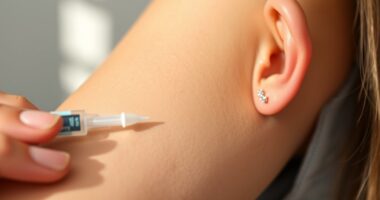

If you have diabetes or a weakened immune system, getting a piercing can be riskier but still possible with extra precautions. Choose a reputable studio that follows strict sterilization protocols, and avoid touching the piercing with unwashed hands. Follow all aftercare instructions carefully, monitor for signs of infection, and stay in close contact with your healthcare provider. To minimize health risks and ensure safe healing, it’s important to comprehend specific safety measures—more detailed advice is just ahead.
Key Takeaways
- Consult healthcare providers and experienced piercers before getting pierced, ensuring safety and suitability for your health condition.
- Choose reputable studios with strict sterilization protocols, including autoclave sterilization, to minimize infection risk.
- Follow detailed aftercare instructions, keep the piercing clean, and avoid touching or exposing it to dirt and bacteria.
- Monitor for signs of infection, such as redness, swelling, or pus, and seek medical attention immediately if symptoms occur.
- Maintain overall health through proper nutrition, hydration, and stable blood sugar or immune levels to support healing.
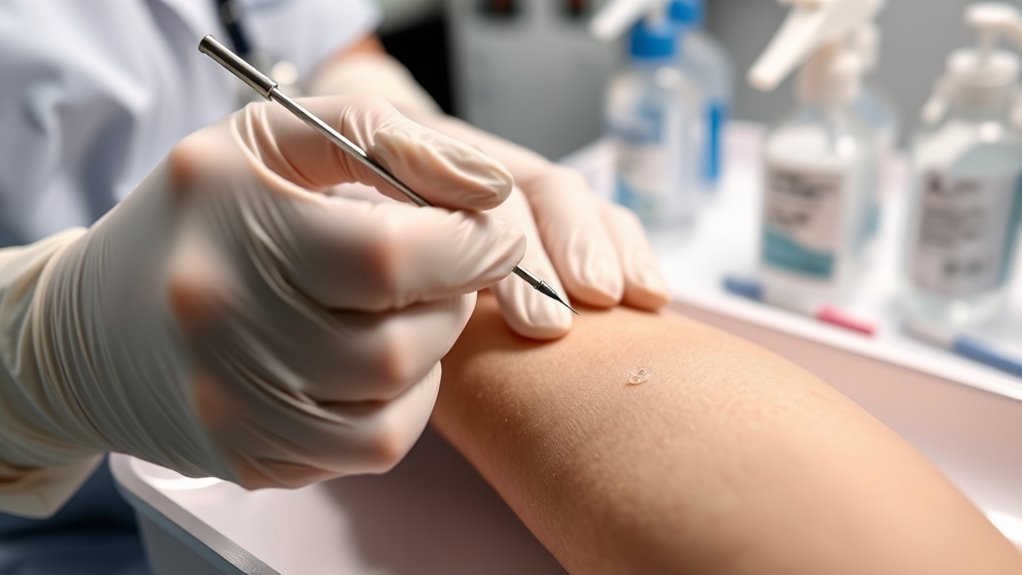
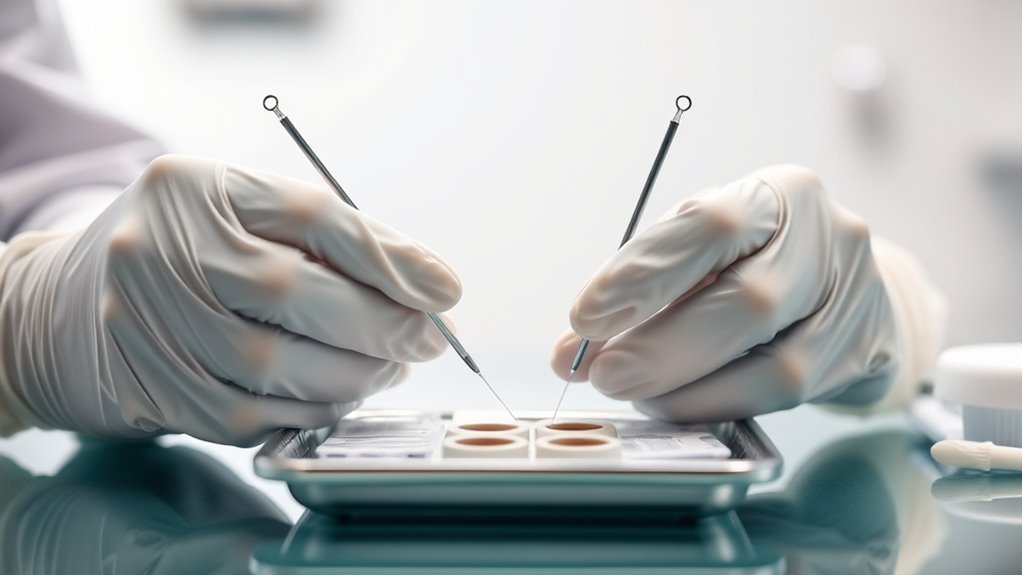
If you have diabetes or are immunocompromised, getting a piercing requires careful consideration to minimize health risks. These conditions can impair your body’s ability to fight infections and heal properly, making it essential to pay close attention to sterilization protocols and healing process management. Before going ahead, consult with both your healthcare provider and a professional piercer experienced in working with clients with health concerns. A reputable piercer will follow strict sterilization protocols, including using sterilized instruments, disposable gloves, and sterile needles, to prevent contamination. Confirm that the studio adheres to industry standards, such as using autoclaves for sterilizing equipment and maintaining a clean environment. Doing so greatly reduces the risk of infection, which can be more serious for those with compromised immune systems.
Once you choose a safe, reputable piercing studio, focus on managing the healing process diligently. Proper healing is essential for minimizing complications, especially if your immune system isn’t functioning at full strength. Follow all aftercare instructions carefully, which typically include keeping the piercing clean, avoiding touching it with unwashed hands, and refraining from swimming or exposing it to dirt and bacteria. Use recommended antiseptic solutions and avoid over-cleaning, as excessive cleaning can irritate the tissue and impede healing. Your piercer may advise you to monitor the piercing closely for signs of infection, such as redness, swelling, or pus, and seek medical attention promptly if these symptoms occur.
Choose a reputable studio, follow aftercare instructions, and watch for signs of infection to ensure safe healing.
Healing process management also involves maintaining overall health. This means keeping your blood sugar levels stable if you have diabetes, as high glucose levels can impair healing and increase infection risk. Proper nutrition, hydration, and avoiding irritants like smoking or harsh skincare products can support your body’s recovery. Additionally, being aware of infection risks specific to immunocompromised individuals is crucial for proactive care. Be patient; healing can take longer for diabetics and immunocompromised individuals, sometimes extending well beyond the typical timeframe. Regular check-ins with your healthcare provider can help ensure your immune system is supporting healing effectively.
Ultimately, piercing safety for diabetics and immunocompromised people hinges on choosing a skilled professional who follows strict sterilization protocols and on your commitment to diligent healing process management. Taking these precautions will help you enjoy your new piercing while minimizing potential health complications. Remember, your health comes first, and every step you take toward proper care ensures a safer, more successful piercing experience.
Frequently Asked Questions
Can Diabetics Get Pierced at Any Age Safely?
You can get pierced at any age, but if you’re diabetic, it’s vital to take into account your diabetic nerve health and how you handle piercing pain. Younger diabetics may have less nerve damage, making piercing safer, but older individuals or those with nerve complications should consult a healthcare professional first. Always choose a reputable piercer who follows strict hygiene practices to minimize infection risks, especially when healing might be slower.
Are There Specific Types of Piercings Safer for Diabetics?
Think of your body as a delicate garden, where each piercing is a seed that needs gentle care. For diabetics, cartilage piercings with hypoallergenic materials are safer, as they reduce irritation and infection risk. These sturdy, less invasive piercings help protect your immune system, letting your body focus on healing. Choose jewelry made from surgical steel or titanium to keep your garden thriving without unnecessary harm.
How Does Blood Sugar Level Affect Piercing Healing?
Blood sugar fluctuations can considerably slow down your wound healing process, making it harder for your body to recover from a piercing. Elevated blood sugar levels impair immune function, increasing the risk of infection and delaying healing. By maintaining stable blood sugar levels, you support your body’s ability to heal properly, reduce complications, and ensure your piercing heals smoothly and safely. Monitoring your levels is key to a healthy healing process.
What Signs of Infection Are Unique to Diabetics?
You may notice signs of infection in diabetics that differ from others, such as prolonged redness, swelling, or pus that doesn’t improve. Diabetics often have a weakened immune response, so infections can develop silently or worsen quickly. Watch for increased pain or warmth around the piercing site, as these signs can indicate a delayed immune response. Promptly seek medical attention if you notice these symptoms to prevent complications.
Do Immunocompromised Individuals Need Special Aftercare?
Think of your immune system as a delicate garden that needs extra care. If you’re immunocompromised, especially with steroid use or skin sensitivity, you must follow special aftercare. Keep the area clean, avoid harsh products, and monitor for signs of infection. These precautions help protect your body’s fragile defenses, ensuring healing without setbacks. Your vigilance is the key to nurturing your body’s resilience and preventing complications.
Conclusion
So, it’s no coincidence that being cautious about piercing safety is essential if you’re diabetic or immunocompromised. Your health depends on proper sterilization, choosing experienced professionals, and listening to your body. Remember, even a small infection can lead to bigger issues. By taking these precautions, you’re not just protecting your piercing—you’re safeguarding your well-being. After all, sometimes the tiniest detail can make all the difference in staying healthy and confident.