During menopause, hormone fluctuations can make your skin more sensitive and affect healing around piercings. You might notice increased irritation, sensitivity, or discomfort, requiring gentler care and possibly jewelry adjustments. Using hypoallergenic metals like titanium or surgical steel can reduce reactions. Pay close attention to your skin’s signals and maintain good hygiene. Learning how these changes impact your piercings helps you adapt your care routine—keep exploring for more tips on keeping your piercings comfortable and healthy.
Key Takeaways
- Hormonal fluctuations during menopause can increase skin sensitivity, affecting piercings and jewelry comfort.
- Healing may slow down, requiring careful aftercare and monitoring for signs of infection or irritation.
- Skin thinning and dryness can cause piercings to feel tighter or more uncomfortable over time.
- Hypoallergenic metals like titanium or niobium are recommended to minimize allergic reactions.
- Regular inspection, gentle cleaning, and listening to your body’s signals support safe piercing maintenance during menopause.
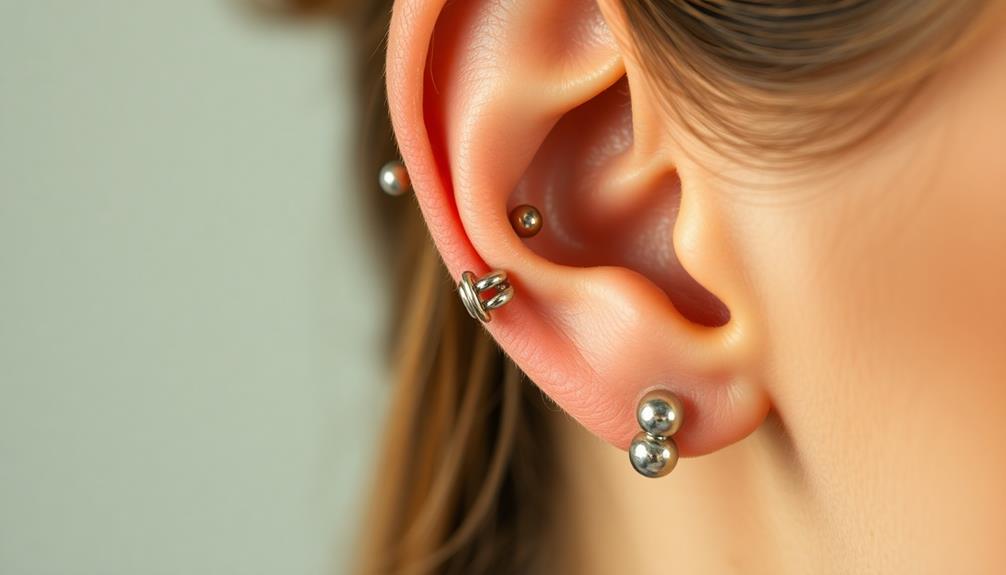
For many women, menopause brings about significant physical and emotional changes, and it can also influence personal style choices like piercings. As your body undergoes hormonal shifts, your skin’s texture and sensitivity can change, affecting how piercings heal and how comfortable you feel wearing jewelry. One important aspect to contemplate is metal sensitivity. During menopause, fluctuations in hormone levels can make your skin more reactive, increasing the chances of irritation or allergic reactions to certain metals. If you’ve previously worn piercings without issues, you might find that your skin becomes more sensitive over time, prompting a need to choose hypoallergenic options like surgical stainless steel, titanium, or niobium. These metals are less likely to cause inflammation or allergic responses, especially as your skin’s immune response can change during menopause.
The healing process for piercings might also take longer or become more complicated during menopause. Hormonal fluctuations can affect skin elasticity and regeneration, which influences how quickly and smoothly a piercing heals. You may notice increased swelling, redness, or discomfort that persists longer than usual. It’s vital to take into account your body’s signals and give your skin extra time to recover. Proper aftercare becomes even more critical—cleanse gently, avoid harsh chemicals, and steer clear of touching or twisting the jewelry unnecessarily. If you experience prolonged pain, swelling, or signs of infection, consulting a professional piercer or healthcare provider is essential to prevent complications.
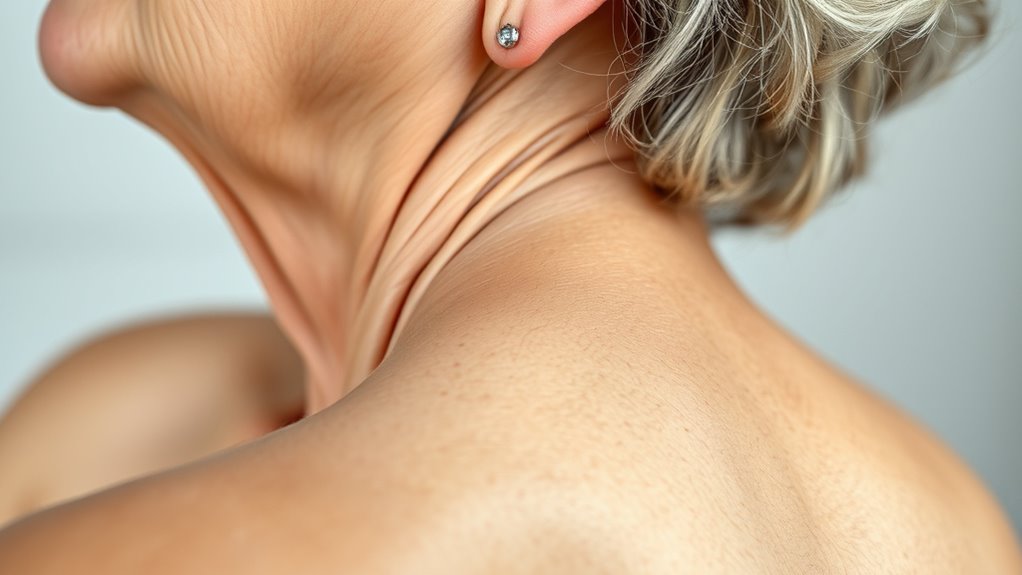
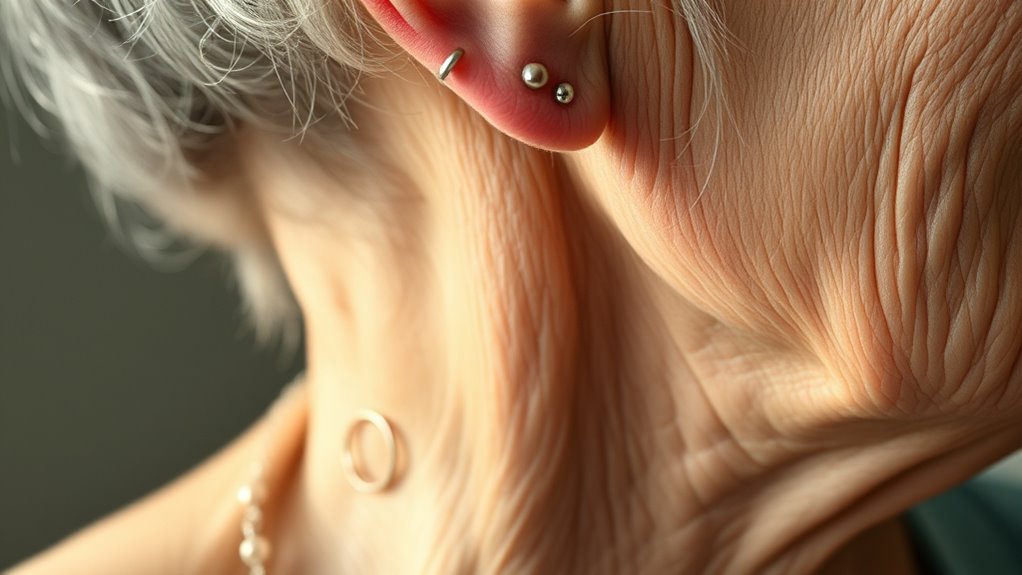
Your skin’s changes during menopause can also impact how jewelry sits or feels. Thinning skin, dryness, or decreased elasticity might mean that certain piercings feel tighter or more uncomfortable. You might find that jewelry needs adjustments or that certain styles no longer suit your skin’s new condition. Additionally, as your skin becomes more vulnerable, it’s wise to avoid wearing jewelry during activities that might cause irritation or trauma, such as excessive sweating or rough handling. Regularly inspecting your piercings and maintaining good hygiene will help reduce the risk of infection and ensure that your piercings remain healthy and comfortable. Furthermore, knowing that hormonal fluctuations can influence skin reactions helps you better understand your body’s changing needs and tailor your piercing care accordingly.
Ultimately, understanding how menopause affects your skin’s response to piercings allows you to make informed choices about jewelry and care routines. By selecting hypoallergenic materials, being patient with the healing process, and listening to your body’s signals, you can enjoy piercings that complement your evolving style without compromising your skin’s health. Remember, every woman’s experience is unique, so personalize your approach based on how your body responds during this transformative phase.
Frequently Asked Questions
Can Menopause Cause Piercings to Become More Painful?
Yes, menopause can make piercings more painful due to hormonal fluctuations that increase your skin sensitivity. These changes can cause your skin to become thinner, drier, and more reactive, making piercings feel more tender or uncomfortable. You might notice increased soreness or longer healing times. To manage this, keep your piercings clean, moisturize regularly, and avoid irritating products. Consult a professional if pain persists or worsens.
Do Hormonal Changes Affect How Piercings Heal During Menopause?
Yes, hormonal fluctuations during menopause can affect how your piercings heal. These changes may cause your skin to lose elasticity and become drier, making healing slower and more uncomfortable. You might notice increased sensitivity or irritation around your piercings. To support healing, keep the area moisturized, avoid irritants, and consult a professional if you experience persistent issues. Being mindful of these changes helps promote healthier healing during menopause.
Are Certain Jewelry Materials Safer During Menopause?
Like a shield protecting your skin, hypoallergenic metals are safer during menopause. You should prioritize jewelry safety by choosing materials like surgical steel, titanium, or niobium, which are less likely to cause allergic reactions or irritation. These metals are gentle on your skin, especially when hormonal changes make your skin more sensitive. Avoid nickel or cheaper alloys, as they can worsen irritation and hinder healing during menopause.
How Does Menopause Influence the Risk of Piercing Infections?
Menopause can increase your risk of piercing infections due to hormonal impacts that weaken your immune response. As estrogen levels decline, your skin becomes thinner and less resilient, making it easier for bacteria to invade. You might notice slower healing and higher chances of irritation. To protect yourself, keep the piercing clean, avoid touching it unnecessarily, and consult a healthcare provider if you observe signs of infection.
Can Menopause Alter the Appearance of Existing Piercings?
Yes, menopause can alter the appearance of your existing piercings. Hormonal skin changes, like decreased estrogen, lead to collagen loss, which makes your skin thinner and less elastic. This can cause piercings to look saggy, stretched, or less vibrant over time. You might notice changes in how your piercings sit or their overall appearance, so it’s crucial to care for your skin and consult a professional if needed.
Conclusion
As you navigate menopause, remember that your skin undergoes changes that can affect your piercings. Did you know that up to 60% of women experience skin thinning during this time? This makes proper piercing care essential to prevent infections and ensure healing. Stay attentive to your skin’s needs, keep your piercings clean, and consult a professional if you notice any issues. With the right care, you can enjoy your piercings safely through every stage of life.