Sterilization Pouches Explained: Sizes, Indicators, and Sealing Basics
Just understanding sterilization pouches’ sizes, indicators, and sealing basics is essential for safety, but there’s more to ensure proper sterilization practices.
Sterilization pouches are specially designed to keep surgical instruments sterile after sterilization. They come in various sizes to fit single tools or multiple items and feature indicators that show sterilization has been successful. You must seal them properly using compatible equipment to prevent contamination. Handling, storing, and disposing of pouches correctly guarantee safety and effectiveness. For tips on choosing the right size, sealing techniques, and troubleshooting, keep exploring further.
Sterilization pouches serve as barrier packaging to keep instruments sterile after sterilization, preventing contamination.
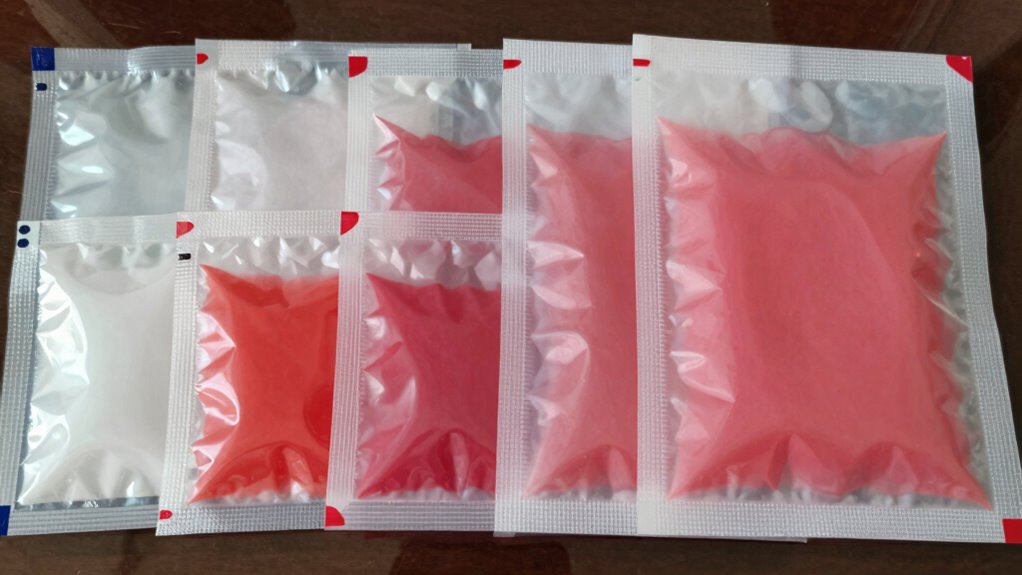
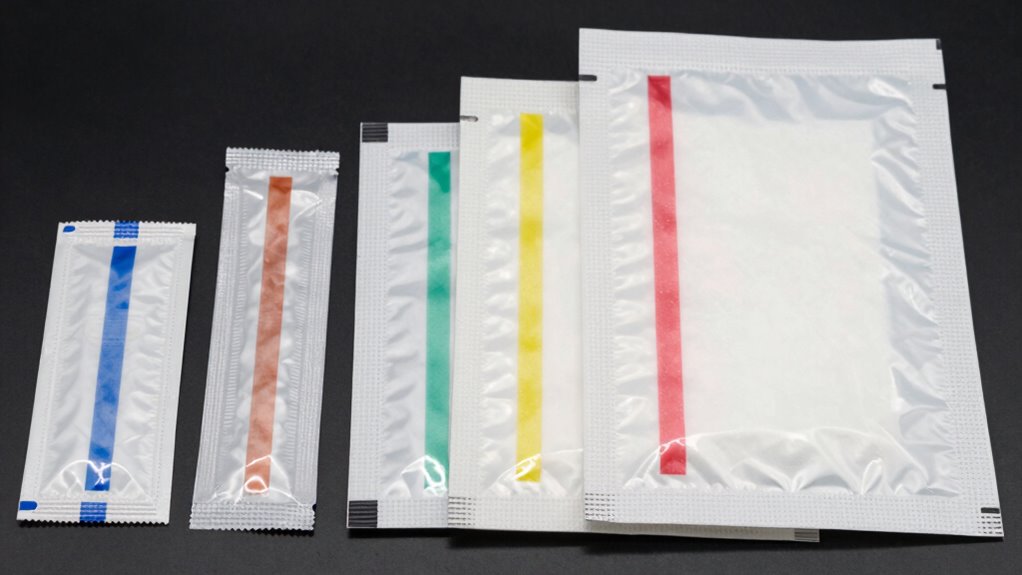
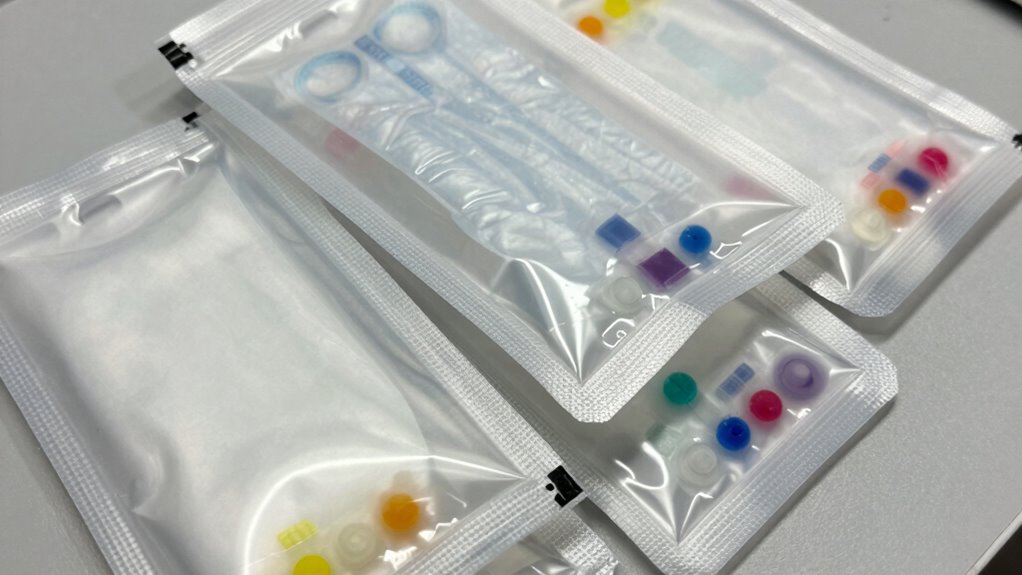
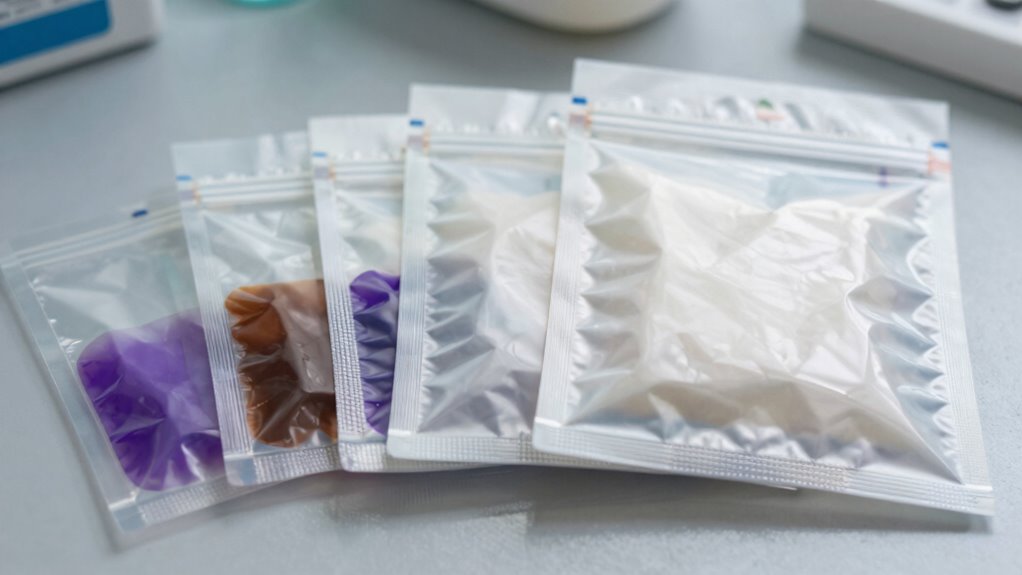
Available in various sizes to fit different instruments, with color-coded options for quick identification.
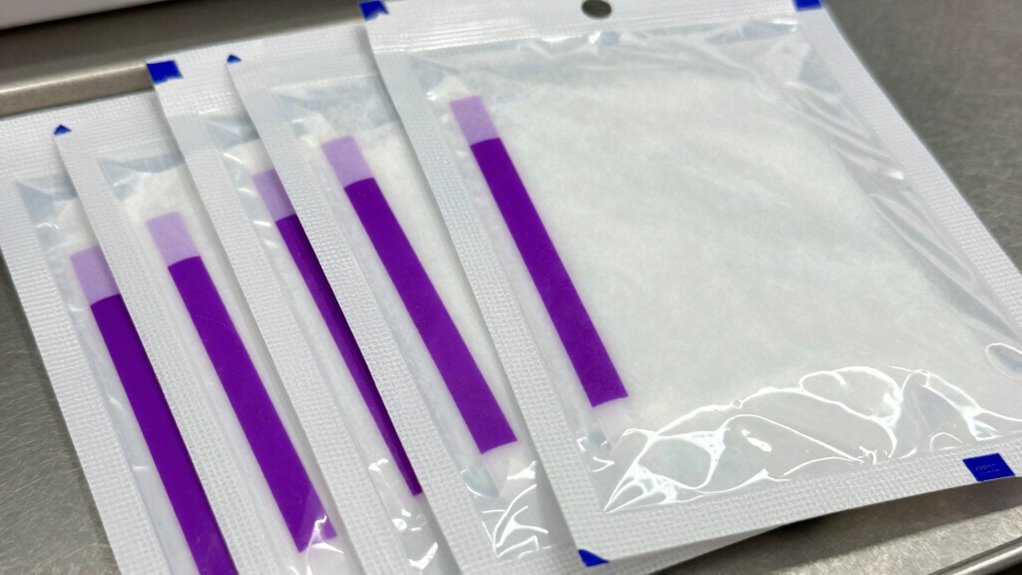
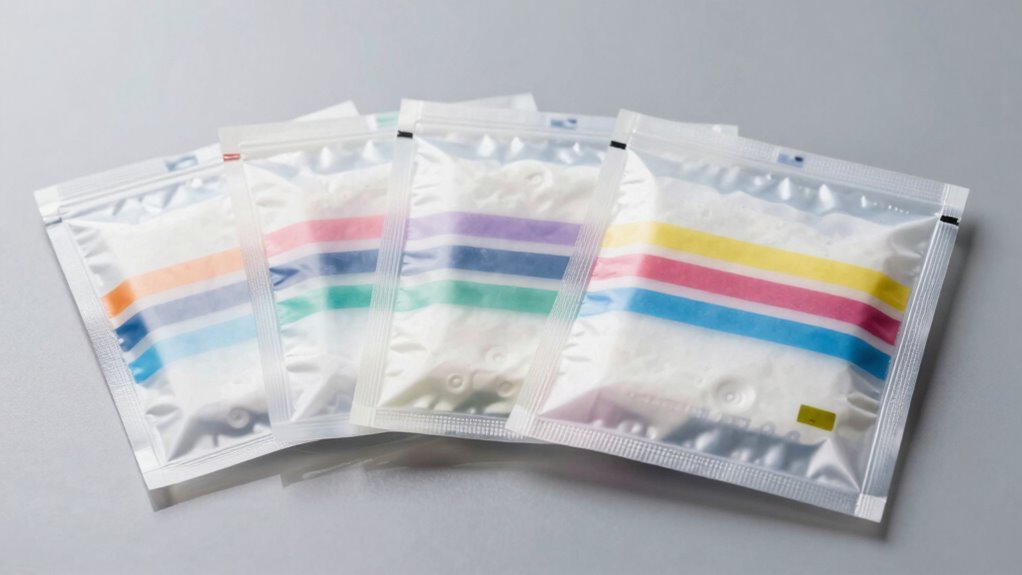
Indicators (chemical and biological) confirm sterilization parameters and validate process efficacy.
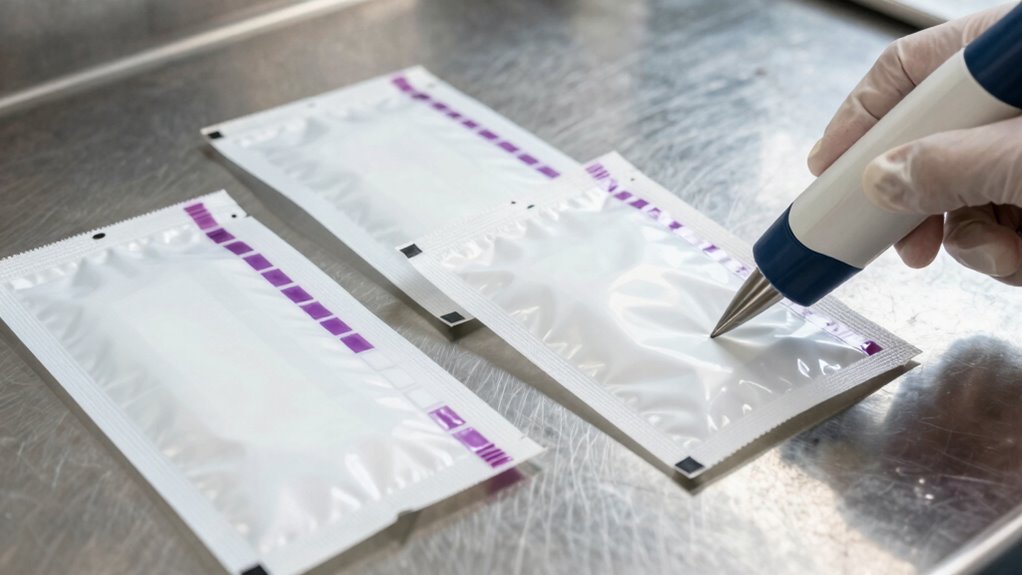
Proper sealing with consistent technique ensures pouch integrity and prevents contamination.
Correct storage, handling, and disposal practices maintain sterilization quality and safety.
What Are Sterilization Pouches and How Do They Work?
Sterilization pouches are specialized packaging materials designed to keep medical instruments sterile after they’ve been sterilized. These pouches act as a barrier, preventing bacteria and contaminants from entering. The sterilization material used in these pouches is critical; it must withstand high temperatures and sterilizing agents without breaking down. Pouch durability is essential to guarantee the packaging remains intact throughout the sterilization process and handling. High-quality sterilization pouches have a strong, tear-resistant design, which prevents punctures and leaks. When sealed properly, they create a secure barrier that maintains sterility until opened for use. Overall, their effectiveness depends on the quality of the sterilization material and the durability of the pouch, assuring instruments stay sterile and safe for patient care.
What Sizes of Sterilization Pouches Are Available?
Sterilization pouches come in a wide range of sizes to accommodate various instruments and procedural needs. Whether you’re sterilizing small tools or larger medical devices, there’s a pouch size for you. Pouch material, typically polypropylene or polyester, guarantees durability and compatibility with sterilization methods. Sizes range from small, ideal for single instruments, to larger pouches suitable for multiple tools. Color coding helps you quickly identify pouch sizes at a glance, streamlining your workflow. Smaller pouches are perfect for delicate items, while larger ones hold bulkier instruments. By choosing the right size and material, you confirm proper sterilization and easy organization. Always select a pouch size that fits your instrument without excess space to maintain sealing integrity and sterility.
How Do Indicators Confirm Your Instruments Are Sterile?
Ever wonder how you can be certain your instruments are truly sterile after processing? Sterilization validation relies heavily on indicators to confirm proper sterilization. These indicators change color or appearance during the sterilization cycle, providing visual confirmation that the process has occurred correctly. The accuracy of these indicators, known as indicator accuracy, is vital because it guarantees the sterilization process has reached the necessary parameters to kill all microorganisms. When used properly, indicators in sterilization pouches serve as a reliable check, giving you peace of mind that your instruments are safe for use. By verifying the indicator’s response, you confirm that the sterilization cycle was effective, making indicator accuracy an essential part of your sterilization validation process. Proper storage conditions also play a role in maintaining the effectiveness of sterilization indicators over time. Additionally, consistent monitoring practices help ensure that indicators perform reliably across multiple sterilization cycles. Regularly reviewing indicator performance helps prevent false readings and ensures ongoing sterilization reliability. Incorporating quality control measures further enhances confidence that the sterilization process remains effective over time. Regular training and education on proper sterilization procedures can also improve the overall accuracy of indicator use.
What Types of Indicators Are Used in Sterilization Pouches?
To guarantee your sterilization process is effective, it’s important to understand the different types of indicators used in sterilization pouches. Chemical indicators change color or appearance when exposed to sterilizing conditions, confirming exposure has occurred. Biological indicators, on the other hand, contain spores that are resistant to sterilization; if the spores are destroyed, you know the process was successful. Here’s a quick comparison:
Indicator Type
Purpose
Placement in Pouch
Chemical Indicators
Confirm sterilization exposure
Outside/inside pouch
Biological Indicators
Verify sterilization efficacy
Inside pouch
Both are essential for ensuring proper sterilization, with chemical indicators providing immediate visual cues and biological indicators offering definitive validation.
Using both types ensures thorough sterilization assurance.
How to Choose the Right Pouch Size for Your Instruments
Choosing the right pouch size is vital for guaranteeing your instruments remain sterile and accessible when needed. Measure your instruments accurately, considering their length, width, and height, to select a pouch that provides enough space without excess. Material compatibility is essential; pick pouches made from materials compatible with your sterilization method, ensuring they won’t weaken or degrade. Avoid overstuffing pouches, which can compromise sealing and sterilization efficiency. Additionally, consider pouch recycling options—using appropriately sized, recyclable pouches helps reduce waste and supports sustainability. Proper sizing not only maintains sterilization integrity but also makes instrument retrieval faster and easier. Sterilization pouch materials should be chosen carefully to ensure they can withstand the sterilization process without damage. Always follow manufacturer recommendations for size and material to guarantee safety and compliance.
How to Seal Pouches Securely and Properly
Securing your sterilization pouches properly is essential to maintaining the integrity of the sterilization process. Use effective sealing techniques to guarantee a tight, uniform seal across the pouch’s opening. Avoid gaps or weak spots, as these can compromise pouch durability and allow contaminants to enter. Make sure the sealing device heats evenly and applies consistent pressure to prevent air leaks. Check that the seal extends completely across the pouch’s width, creating a secure barrier. Proper sealing also involves cleaning the pouch edges before sealing to prevent debris from weakening the bond. When done correctly, these sealing techniques enhance pouch durability, ensuring your sterilized instruments remain protected and sterile until use. Understanding sterilization standards can help ensure your process meets industry requirements.
Best Practices for Handling and Storing Sterilization Pouches
Proper handling and storage of sterilization pouches play an essential role in maintaining their sterility and integrity over time. To guarantee this, follow these best practices:
Proper handling and storage ensure sterilization pouch integrity and effectiveness over time.
Store pouches in a cool, dry, and clean environment, away from direct sunlight and moisture.
Use pouches made from appropriate pouch materials that are compatible with your sterilization methods, ensuring they resist tearing and punctures.
Rotate stock regularly to use older pouches first, preventing deterioration of pouch material and compromising sterility.
Regularly monitor and understand security measures associated with sterilization procedures to prevent contamination risks.
Troubleshooting Common Issues With Sterilization Pouches
Despite their importance in maintaining sterility, sterilization pouches can sometimes develop issues that compromise their effectiveness. One common problem is pouch material incompatibility with certain sterilization methods, which can cause tears or degradation. Always make certain you select pouches compatible with your sterilization process, whether steam, ethylene oxide, or other methods. Another issue is improper sealing, leading to potential contamination. Check that your sealing equipment functions correctly and follow sealing guidelines precisely. Additionally, if you notice pouches damaged or contaminated after sterilization, avoid reusing them. Proper sterilization pouch disposal is essential to prevent cross-contamination. Regularly inspect pouches for integrity and discard any compromised ones following your facility’s disposal protocols. Addressing these issues helps maintain the safety and effectiveness of your sterilization process.
Frequently Asked Questions
Can Sterilization Pouches Be Reused?
No, sterilization pouches shouldn’t be reused. They’re designed for single-use to guarantee safety and proper sterilization. Reusable alternatives exist, like durable cloth or rigid containers, which you can clean and sterilize repeatedly. Some facilities explore pouch recycling programs, but generally, reusing sterilization pouches risks contamination and compromised sterility. Always follow manufacturer guidelines and best practices to keep your environment safe.
What Materials Are Best for Sterilization Pouches?
You should choose sterilization pouches made from materials with proven compatibility with your sterilization method, like medical-grade paper and polyethylene or polypropylene films. These materials guarantee proper sterilization and maintain pouch durability during handling. Look for pouches that resist tearing and puncturing, which guarantees your instruments stay sterile and protected. Selecting pouches with the right material compatibility and durability is key to effective, safe sterilization processes.
How Long Do Sterilization Pouches Remain Sterile?
Surprisingly, your sterilization pouches aren’t forever, but with proper sterilization pouch durability and storage, they stay sterile for about 30 days to a year. Yes, that’s right—if you keep them in cool, dry conditions and avoid unnecessary handling, your pouches can remain effective longer. But don’t get too comfortable—regularly check for damaged seals or indicators, because even the best pouch can lose its sterilization magic over time.
Are There Eco-Friendly Options for Sterilization Pouches?
Yes, there are eco-friendly options for sterilization pouches. You can choose pouches made from biodegradable materials that break down naturally, reducing environmental impact. Look for products from manufacturers committed to eco-friendly manufacturing practices, which often use sustainable resources and non-toxic inks. These options help you maintain sterilization standards while supporting environmental sustainability. Always check product labels to guarantee they meet eco-friendly criteria and are suitable for your sterilization needs.
What Expiration Date Should I Look for on Sterilization Pouches?
Imagine your sterilization pouch as fine wine—best enjoyed before its “best by” date. You should look for an expiration date that guarantees sterilization longevity and pouch material durability. Typically, this date is stamped on the front or back, indicating when the pouch’s integrity might weaken. Use pouches before that date to guarantee they provide reliable sterilization, because after expiration, even the sturdiest pouch might turn into a flimsy, useless wrapper.
Conclusion
Now that you know the ins and outs of sterilization pouches—from sizes to indicators—you’re better equipped to guarantee your instruments stay sterile and safe. Remember, choosing the right pouch, sealing it properly, and monitoring indicators are your keys to success. Think of sterilization pouches as your silent guardians, quietly working to protect patients and uphold hygiene. With these tips in mind, you’re ready to master the art of sterilization—because clean, safe instruments are the heartbeat of quality care.
Understanding the anodizing process reveals how titanium jewelry gains vibrant colors and durability, but the full benefits and techniques will surprise you.