To prevent infections in piercings, you must prioritize sterilization of tools and jewelry, using high-quality, biocompatible materials. Keep your piercing clean with saline or gentle soap, avoid touching it with dirty hands, and don’t twist or play with the jewelry. Watch for signs like redness, swelling, or pus, and seek medical help if needed. mastering these practices helps guarantee safe healing—and there’s more to learn about keeping your piercings healthy.
Key Takeaways
- Proper sterilization of tools and environment minimizes bacteria, viruses, and fungi that can cause infections during piercing.
- Using high-quality, biocompatible jewelry reduces irritation and bacterial buildup, lowering infection risk.
- Maintaining strict hygiene, such as cleaning with saline or mild soap and avoiding dirty hands, prevents contamination.
- Recognizing signs like redness, swelling, or discharge early ensures prompt treatment and prevents complications.
- Only trained professionals should perform piercings with sterilized equipment and disposable needles for safety.
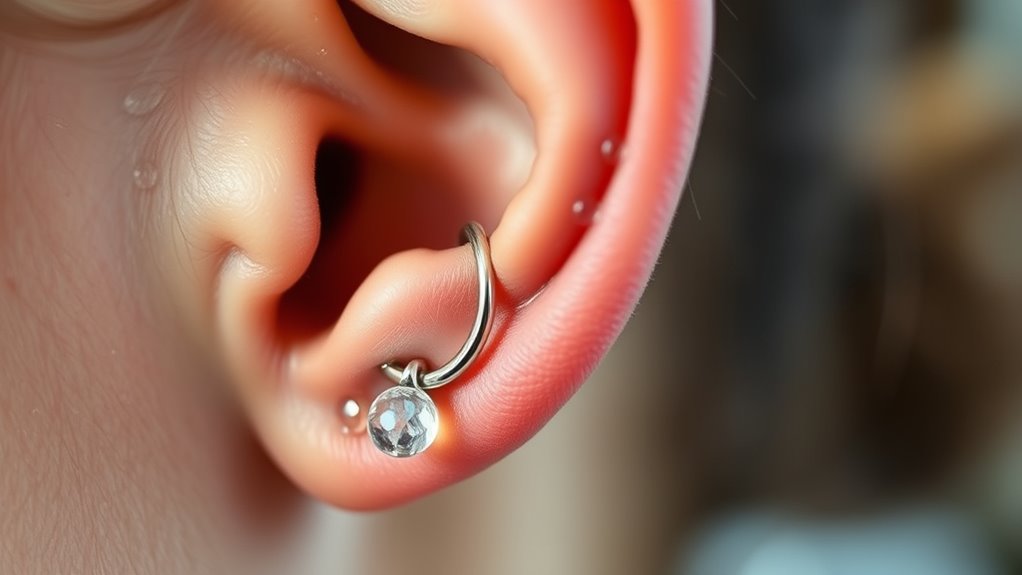
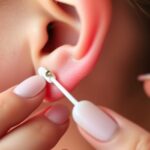
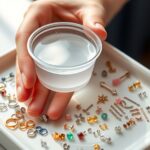
Getting a piercing can be exciting, but it also comes with the risk of infection if proper care isn’t taken. One of the most important factors in preventing infection is understanding how sterilization techniques play a vital role. When visiting a piercing studio, ensure they follow strict sterilization procedures. This includes using autoclaves, which use high-pressure steam to eliminate bacteria, viruses, and fungi from piercing equipment and tools. Never settle for tools that aren’t properly sterilized, as contaminated instruments greatly increase the risk of infection. Additionally, disposable needles should always be used, and jewelry should be sterilized before insertion. These sterilization techniques are designed to create a sterile environment, reducing the chance of introducing harmful microorganisms into your body. Regularly educating yourself about digital literacy and critical thinking skills can help you make informed decisions about piercing safety and aftercare. Equally important is paying attention to jewelry material safety. Not all materials are suitable for piercing, especially during the initial healing period. Opt for high-quality, biocompatible materials such as surgical stainless steel, titanium, or niobium. These materials are less likely to cause allergic reactions or harbor bacteria. Avoid jewelry made from alloys with nickel or other potentially irritating metals, as these can increase inflammation and prolong healing. Choosing jewelry with smooth surfaces and secure closures also helps minimize irritation and prevents bacteria from accumulating. After your piercing, proper aftercare is essential. Keep the area clean by gently washing it with saline solution or a mild, fragrance-free soap. Avoid touching the piercing with dirty hands, and refrain from twisting or playing with the jewelry, which can cause trauma and open the door for infection. Be cautious with jewelry removal or replacement; only do so once the piercing has fully healed and with clean, sterilized tools and new jewelry. Infections can develop quickly if care isn’t taken, so staying vigilant about hygiene is key. Watch for signs like excessive redness, swelling, pain, or unusual discharge, and seek medical attention if needed. Remember, an understanding of proper sterilization techniques and jewelry material safety isn’t just about infection prevention — it’s also about ensuring your piercing heals well and remains a safe, attractive addition to your body. Taking these precautions seriously can make all the difference in enjoying your new piercing without complications.
Frequently Asked Questions
How Long Does It Typically Take for a Piercing to Fully Heal?
It typically takes about 6 to 8 weeks for a piercing to fully heal. Healing timelines vary depending on the piercing type and your aftercare. During this period, you should focus on infection prevention by keeping the area clean and avoiding unnecessary touching. Be patient and consistent with your aftercare routine to make certain of proper healing. If you notice signs of infection, consult a professional promptly to avoid complications.
Are Certain Jewelry Materials Less Likely to Cause Infections?
Choosing jewelry materials like hypoallergenic metals can greatly reduce your risk of infection. Materials such as surgical steel, titanium, and niobium are less likely to cause allergic reactions or irritation. You should avoid cheaper metals like nickel or certain alloys, which often trigger infections. By selecting high-quality jewelry materials, you help guarantee your piercing stays healthy and minimizes the chances of complications during healing.
Can I Reduce Infection Risk by Cleaning My Piercing Differently?
You can definitely reduce infection risk by cleaning your piercing differently. Coincidence often leads you to better practices, like using proper sterilization techniques and topical antiseptics. Gently clean around your piercing with a sterile saline solution, avoiding harsh chemicals. Be consistent, and always wash your hands thoroughly before touching your jewelry. This mindful approach helps prevent bacteria from entering, keeping your piercing healthy and reducing infection chances.
What Are Early Signs of a Piercing Infection to Watch For?
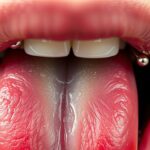
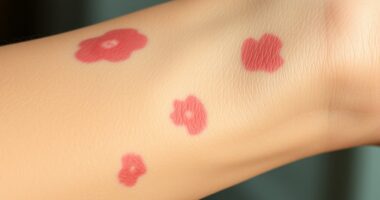
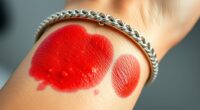
You should watch for early signs of a piercing infection, like increased redness, swelling, and pain around the area. Infection indicators also include pus or yellowish discharge, warmth, and persistent tenderness. If you notice these signs to monitor, it’s important to clean the area gently and seek professional advice promptly. Ignoring these warning signs can lead to more serious issues, so stay attentive and act quickly if symptoms worsen.
Does Age or Health Status Affect Infection Susceptibility in Piercings?
Back in the day, folks knew age factors and health considerations play a role in piercing risks. Older adults or those with compromised immune systems are more susceptible to infections. Your age and overall health can slow healing and increase infection chances. So, you should take extra care, follow proper aftercare, and consult a professional if you have concerns—your health and safety come first.
Conclusion
So, when you choose to pierce, picture a shimmering jewel glinting against your skin, not a shadow of redness or swelling. By keeping your piercing clean and dry, you’re guarding it like a treasure chest, preventing unwanted invaders from sneaking in. Think of your body as a garden—tender care keeps it vibrant and healthy. Embrace these simple steps, and your piercing will sparkle with beauty, free from infection’s dark cloud.