
If you change your mind about a piercing, it’s important to act carefully and promptly. First, wash your hands thoroughly to prevent infection. Gently remove the jewelry if your piercing is fully healed, or seek professional help if it’s embedded or painful. After removal, clean the area and follow proper aftercare. If you’re unsure about the healing status or face difficulty, consulting a professional guarantees safe removal and minimizes scarring. Keep going to understand more.
Key Takeaways
- Wait until the piercing is fully healed before attempting removal to prevent complications.
- Wash your hands thoroughly and gently remove the jewelry, avoiding force if it feels stuck.
- If the jewelry is embedded or difficult to remove, seek professional assistance from a piercer or healthcare provider.
- Follow proper aftercare by cleaning the area and keeping it dry to support healing and reduce scarring.
- Address emotional feelings by seeking support and understanding that removing a piercing is a personal decision focused on health.
Changing your mind about a piercing can be unsettling, but knowing your options can make the process smoother. Whether you’re feeling unsure about the look, concerned about the pain, or simply no longer interested, it’s important to approach the situation calmly. The first thing to remember is that your healing process plays a significant role in how easily you can remove or modify the piercing. If your piercing is still relatively fresh, it’s best to wait until it’s fully healed before attempting to remove it yourself. Removing a fresh piercing prematurely can cause unnecessary pain, bleeding, or even infection, which could complicate the healing process. If you’re unsure whether your piercing has healed enough, consult your piercer or a healthcare professional for guidance.
If your piercing is new, wait until it’s fully healed before removal to avoid complications and discomfort.
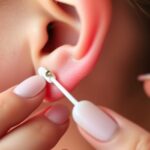
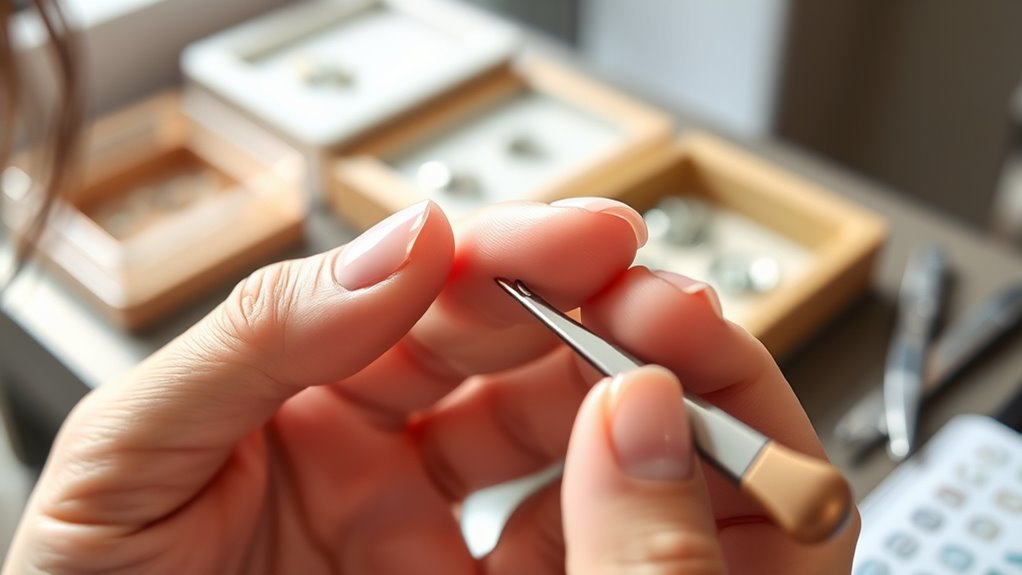
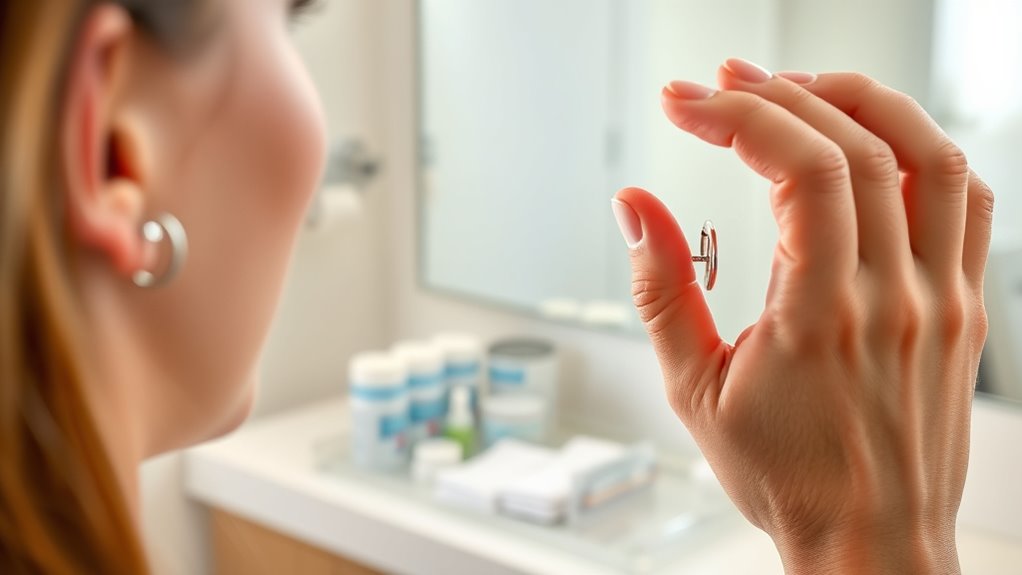
When you decide to remove the jewelry, it’s *vital* to do so gently. Wash your hands thoroughly before touching the piercing to prevent infection. Use clean tools or your fingers, and carefully unscrew or gently pull out the jewelry. If the piercing feels stuck or painful, don’t force it. Sometimes, piercings can become slightly embedded or swollen, making removal tricky. In such cases, visiting a professional piercer or a healthcare provider is the safest route. They have the experience and tools to remove the jewelry without damaging your skin or causing unnecessary discomfort.
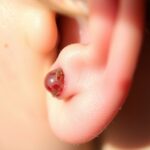
Being aware of the healing stages can help you determine the right timing for removal and avoid complications. Emotionally, it’s normal to feel a mix of relief, disappointment, or even sadness when changing your mind about a piercing. Seek emotional support from friends, family, or online communities who understand your feelings. Talking about your decision can help you process any mixed emotions and reinforce your confidence in your choice. Remember, body modifications are personal, and your comfort and well-being are what matter most. If you’re worried about scarring or how the removal might look, a professional can advise on treatments or procedures to minimize visible marks.
After removal, follow proper aftercare to support your skin’s healing. This means cleaning the area with gentle solutions, avoiding unnecessary touching, and keeping the area dry. The healing process varies from person to person, but patience is key. Sometimes, residual swelling or a small scar may remain, but these usually fade over time. If you notice signs of infection—such as increased redness, pus, or pain—seek medical attention promptly. Remember, changing your mind about a piercing is a personal decision, and prioritizing your health and emotional well-being will help you feel more confident with your choice.
Frequently Asked Questions
Can I Remove a Piercing at Home Safely?
You can attempt a DIY removal of your piercing at home, but it’s risky. If you decide to do so, wash your hands thoroughly and sterilize your tools. Gently remove the jewelry, but be prepared for potential bleeding or discomfort. Keep in mind, this may affect the healing process, so monitor for infection. It’s often safer to visit a professional piercer or healthcare provider to guarantee proper removal and healing.
How Long Does It Take for a Piercing to Fully Heal?
Did you know that most piercings take about 6 to 8 weeks to heal fully? The healing process varies depending on the piercing type and your body’s response. Generally, the piercing timeline involves initial healing in a few weeks, but deeper tissues may take several months. During this time, avoid touching or changing jewelry prematurely, and follow aftercare instructions diligently to make sure of proper healing and reduce the risk of infection.
Are There Risks of Infection if I Remove a Piercing Early?
Removing a piercing early can increase infection risks and lead to healing complications. If you pull out the jewelry before it’s fully healed, bacteria can enter the open wound, causing infections and delaying healing. You might also experience scarring or tissue damage. To avoid these issues, it’s best to consult your piercer or a healthcare professional before removing your piercing, especially if you’re concerned about infection or healing.
Will Removing a Piercing Leave a Permanent Scar?
Removing a piercing can leave a scar, especially if it was a long-term or heavily irritated piercing. You might notice some scar tissue forming during the healing timeline, which could be a permanent reminder. To minimize scarring, make certain you follow proper aftercare and give your skin adequate time to heal before removing the jewelry. If you’re concerned, consult a professional piercer or dermatologist for personalized advice.
When Should I See a Doctor About My Piercing?
Like a lighthouse in a storm, you should seek medical help if your piercing shows signs of infection, such as excessive swelling, pus, or severe pain. During the healing process, monitor for abnormal redness or persistent discomfort. If you notice these issues, see a doctor promptly. Proper removal methods are vital to prevent complications; don’t hesitate to get professional advice to guarantee safe removal and minimize scarring.
Conclusion
Changing your mind about a piercing is like turning a corner on a winding road—you have options, and it’s okay to re-route. Remember, your body is your map, and listening to it is key. Whether you decide to remove or let it heal naturally, trust that each choice is part of your journey. Embrace the process, knowing that every twist and turn shapes your story, guiding you toward what feels right for you.