Steam Sterilizer Safety Rules Every Piercer Should Memorize
Theorem: Mastering steam sterilizer safety rules is crucial, but understanding all the details is key to ensuring your practice remains safe and compliant.
To guarantee safety, you must operate your steam sterilizer correctly by following manufacturer instructions, properly loading tools without overcrowding, and maintaining correct temperature and pressure—usually 121°C at 15 psi. Regular maintenance, including checking seals and water quality, is essential. Always verify sterilization with indicators, document each cycle, and be prepared to troubleshoot any issues. Staying vigilant with these rules helps protect clients and keeps your practice safe—there’s much more to learn to master this process.
Always follow manufacturer instructions for proper sterilizer operation, loading, and maintenance to ensure effective sterilization and safety.
Regularly verify water quality and seal integrity to prevent equipment contamination and maintain sterilizer functionality.
Use biological, chemical, or mechanical indicators to confirm sterilization success after each cycle.
Avoid overloading the sterilizer; ensure proper spacing for steam circulation and effective sterilization.
Document all sterilization cycles and troubleshoot malfunctions promptly, consulting professionals when necessary.
Why Proper Sterilizer Operation Is Critical for Safety
Proper sterilizer operation is crucial because it directly impacts the safety of both patients and staff. When you operate the sterilizer correctly, you guarantee sterilizer safety, preventing the risk of infection transmission. Proper procedures maintain piercing hygiene, reducing chance of contamination. Faulty or rushed sterilizer use can leave bacteria and viruses on tools, which could cause serious health issues. You must follow manufacturer instructions carefully, monitor temperature and pressure levels, and avoid shortcuts. Regular maintenance and calibration are also indispensable to keep the sterilizer functioning properly. Incorporating natural and eco-friendly practices can further enhance safety and sustainability in sterilization processes. Ensuring proper sterilizer operation is essential for maintaining hygiene standards. When you prioritize correct operation, you protect everyone involved, uphold hygiene standards, and guarantee a safe piercing environment. Remember, a well-maintained sterilizer is your first line of defense against cross-contamination. Proper sterilizer maintenance further ensures consistent performance and safety, and understanding battery inverter generators can provide reliable power solutions for sterilization equipment in various environments. Additionally, understanding sterilizer cycles helps ensure that all tools are thoroughly sterilized, further reducing infection risks.
Preparing Your Sterilizer for Safe Use
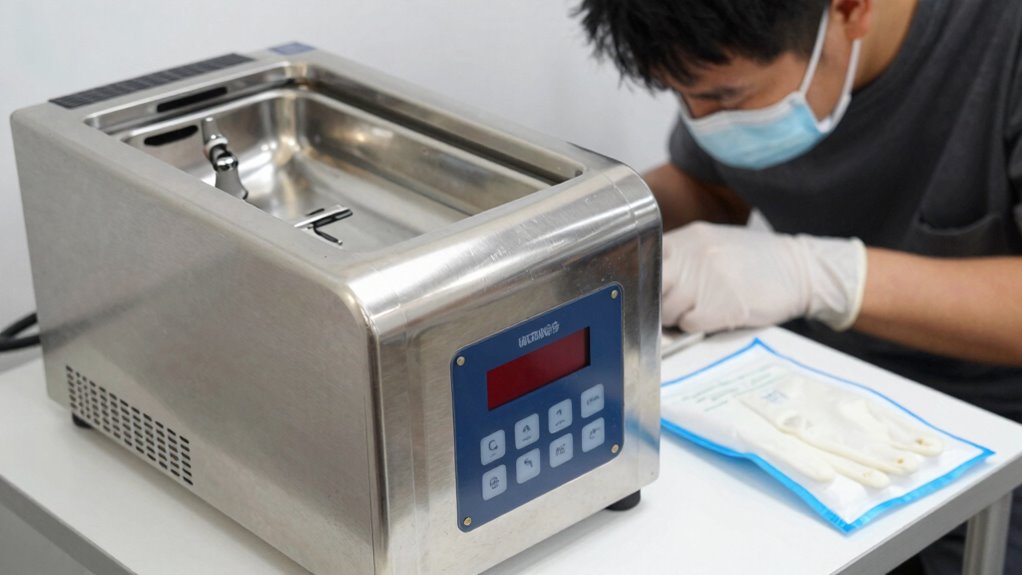
Before using your sterilizer, you need to guarantee it’s ready for safe operation. Check the water levels and make sure the seal is intact to prevent leaks. Also, load the sterilizer properly to ensure effective sterilization and safety during use. Additionally, understanding proper instrument sterilization techniques can help maintain hygiene and safety standards. Familiarizing yourself with storage and backup options can also prevent data loss and ensure continuous operation of your equipment. Ensuring proper temperature and timing settings are maintained is essential for achieving optimal sterilization results. Regularly inspecting your sterilizer for power consumption and efficiency can help identify potential issues early and ensure safe, reliable performance. Being aware of maintenance routines can further prolong the lifespan of your sterilizer and ensure consistent safety.
Check Water Levels
Have you checked the water level in your sterilizer recently? Maintaining proper water levels is vital for effective sterilization. Always use water with good water quality to prevent mineral buildup and guarantee sterilizer maintenance remains straightforward. water quality can directly impact the longevity and efficiency of your sterilizer, so it’s important to monitor it regularly. Insufficient water can lead to incomplete sterilization, while excess water might cause malfunctions or damage. Regularly verify the water level before each use, following the manufacturer’s guidelines. Use a clean, calibrated container if needed. Keep the water reservoir clean and free of debris to prevent contamination. Proper water levels ensure steam reaches all surfaces evenly, promoting safe, thorough sterilization. Monitoring water quality can also help reduce issues caused by microplastics in dust, which may contaminate equipment. Incorporating proper water management practices can further extend the lifespan of your sterilizer and ensure consistent performance. Additionally, staying informed about advanced sterilization technologies can enhance your safety protocols. Regular maintenance and adjusting water levels based on manufacturer recommendations can help prevent malfunctions and prolong the life of your sterilizer. Consistent checks help you identify potential issues early, saving time and avoiding costly repairs down the line. Remember, proper water management is essential for safe piercer practices.
Inspect Seal Integrity
How can you guarantee your sterilizer will function safely and effectively? The key is thorough seal inspection and integrity verification. Regularly examine the door gasket for cracks, tears, or any signs of wear, ensuring it forms a tight seal. Check for any debris or residue that could compromise the seal’s effectiveness. Perform a simple integrity verification by closing the door and conducting a leak test—listen for hissing sounds or use a soap solution around the seal to spot leaks. A compromised seal can lead to sterilization failures, risking contamination. Maintaining the seal’s integrity is essential for safe sterilization. Make these inspections part of your routine to prevent issues before they arise and ensure your sterilizer performs reliably every time. Additionally, understanding how to test sterilizer functions can help identify potential issues early. Regular seal integrity checks are vital for detecting early signs of wear before leaks develop. Incorporating proper maintenance into your routine can further prolong the lifespan of your sterilizer and ensure consistent safety. Performing routine visual inspections can also help catch minor issues before they escalate. Furthermore, utilizing appropriate testing methods can provide more comprehensive assurance of sterilizer performance.
Load Sterilizer Properly
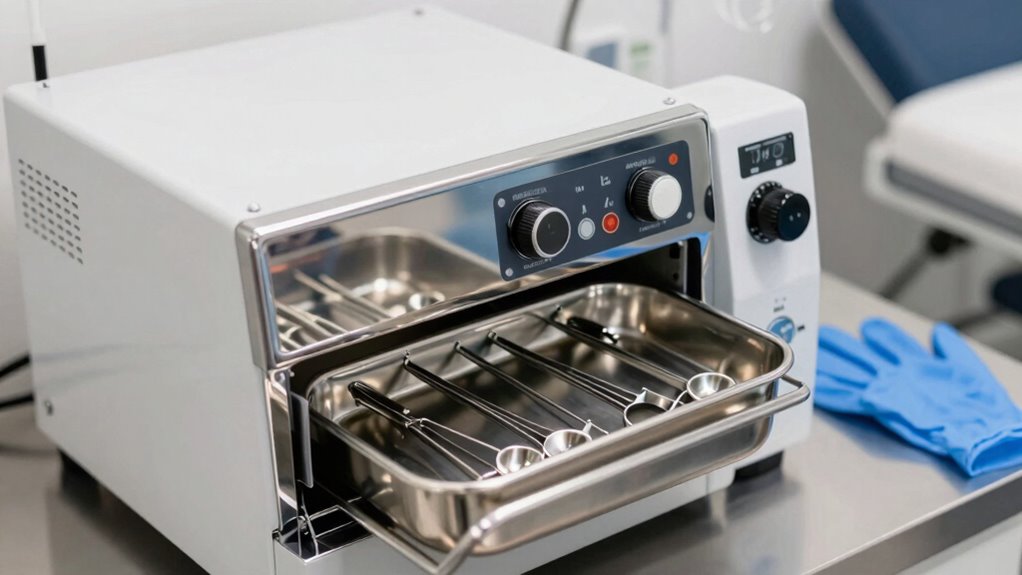
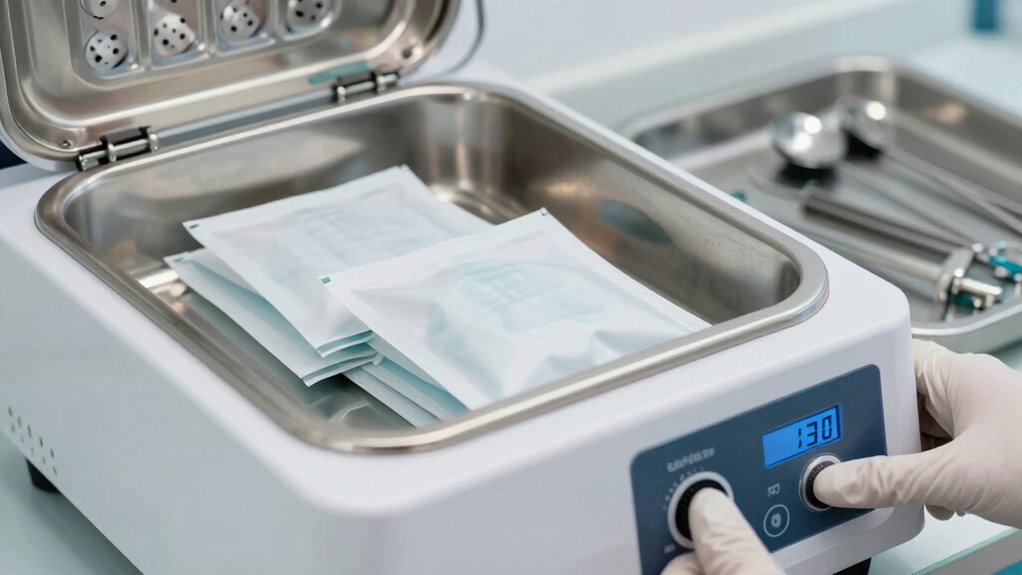
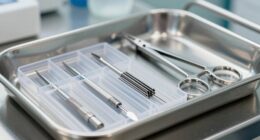
Properly loading your sterilizer is vital to guarantee effective sterilization and prevent contamination. Ensure your equipment is clean and organized before loading, and avoid overcrowding, which can hinder steam penetration. Place items with open ends or hollow spaces so steam can circulate freely. Follow manufacturer guidelines for loading patterns, and double-check that all items are properly positioned for sterilization. Regular sterilizer maintenance is essential; inspect trays and seals for damage and perform equipment calibration regularly to maintain consistent results. Proper loading maximizes sterilization efficacy and reduces the risk of infection. Always confirm that the sterilizer is functioning correctly before use, and adhere to maintenance schedules to keep your sterilizer in prime condition.
Loading Your Sterilizer Correctly to Prevent Contamination
To prevent contamination, make sure you arrange items properly so steam can reach all surfaces. Don’t overload the sterilizer, as this can block airflow and reduce effectiveness. Use appropriate packaging to keep items sterile and avoid exposing them to potential contaminants.
Arrange Items Properly
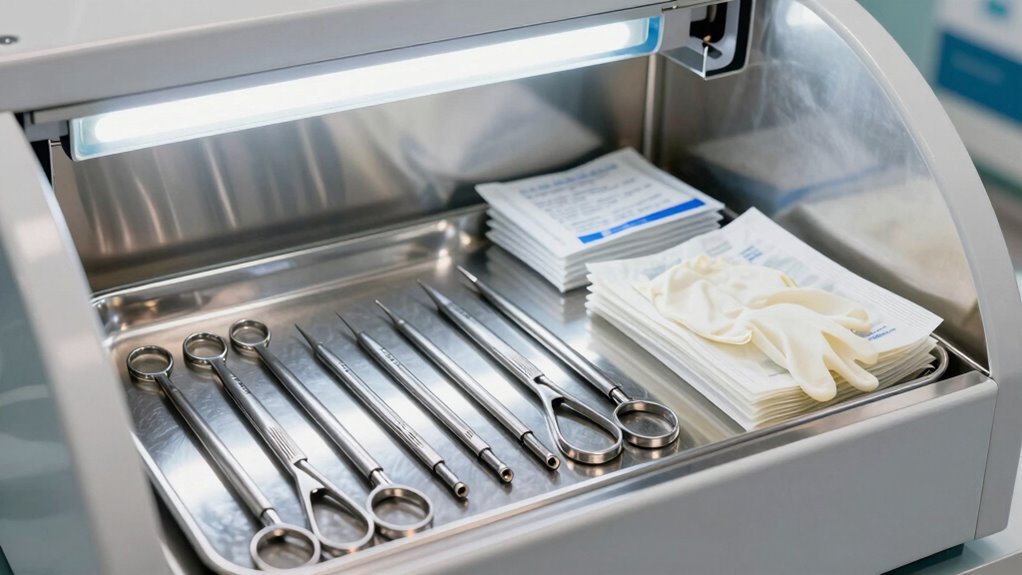
Making sure items are arranged correctly inside the sterilizer is essential to prevent contamination and ensure effective sterilization. Proper arrangement allows steam to circulate freely around each item, reaching all surfaces. When loading, avoid overcrowding, which can hinder sterilizer maintenance and compromise piercing safety. Place items in a way that prevents them from touching each other or the chamber walls, promoting thorough sterilization. Use proper racks or trays to keep tools separated and exposed. Always double-check that all items are dry and free of debris before loading. Correct arrangement not only enhances sterilization but also extends the lifespan of your sterilizer. Prioritizing these steps ensures your piercing safety remains uncompromised and the equipment functions reliably.
Avoid Overloading Sterilizer
Overloading your sterilizer can lead to ineffective sterilization and increase the risk of contamination. When you pack items too tightly, steam can’t circulate properly, compromising sterilizer maintenance and leaving some areas unsterilized. Always follow manufacturer guidelines for load sizes and arrangement to ensure thorough exposure to steam. Proper loading maximizes contact between steam and instruments, supporting infection control efforts. Avoid cramming items together—leave space for steam to penetrate all surfaces. Regularly check and maintain your sterilizer to keep it functioning at its best. Proper loading not only prevents contamination but also prolongs your sterilizer’s lifespan. Remember, consistent sterilizer maintenance is key to reliable sterilization and effective infection control. Stay vigilant to maintain a safe, sterile environment.
Use Appropriate Packaging
Using the right packaging materials is essential to prevent contamination during sterilization. Choose packaging materials that are heat-resistant, durable, and compatible with your sterilizer. Proper packaging guarantees items are sterilized evenly and remain sterile afterward. When loading, make sure items are loosely wrapped or placed in sterilization pouches to allow steam penetration. Always follow the labeling procedures: clearly mark sterilized packages with the date and contents to avoid mix-ups and ensure proper inventory management. Avoid overpacking, which can block steam flow and compromise sterilization. Additionally, ensure packages are sealed securely to prevent contamination after sterilization. Using appropriate packaging materials along with accurate labeling helps maintain a sterile environment and protects both your clients and your reputation.
Setting the Right Temperature and Pressure for Effective Sterilization
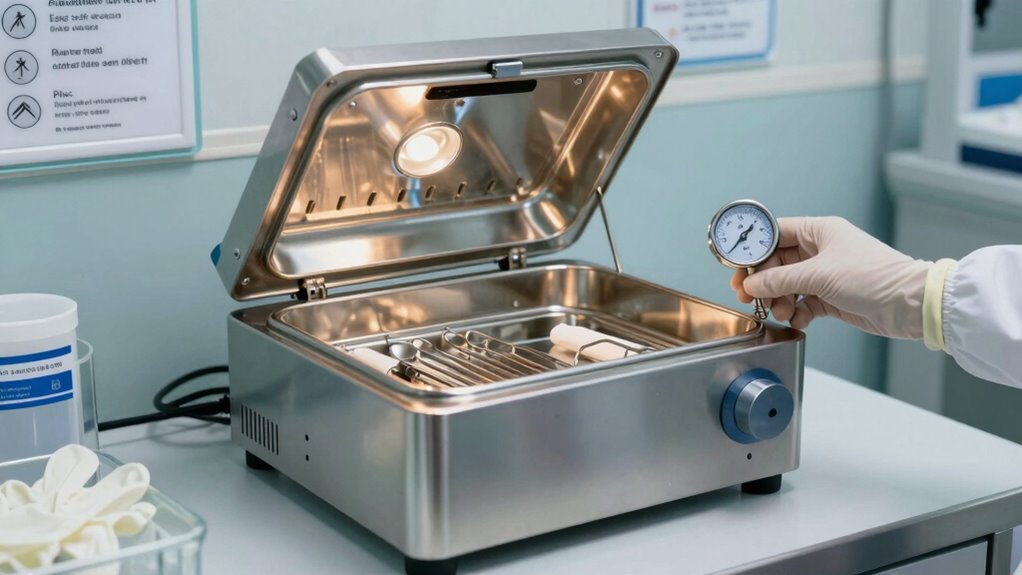
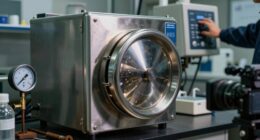
To guarantee your steam sterilizer effectively eliminates germs, you need to set the correct temperature and pressure. Proper temperature control ensures that all bacteria and spores are destroyed, while pressure regulation maintains the environment needed for sterilization. Typically, you’ll want to reach a temperature of 121°C (250°F) at approximately 15 psi for effective sterilization. Using portable power stations can help ensure consistent operation during sterilization processes, especially in mobile or remote settings. Ensuring the sterilizer’s gauge accuracy is crucial for safety and effectiveness, so regular calibration is recommended. Additionally, maintaining proper sterilizer maintenance helps prevent malfunctions and ensures reliable performance. Regularly checking filter sizing and flow can also improve overall sterilization efficiency, preventing blockages that could compromise safety. Understanding sterilization parameters is essential for achieving optimal results and maintaining safety standards.
How to Run and Cycle Your Sterilizer Properly
To run your sterilizer properly, you need to load it correctly, making certain items are spaced to allow steam circulation. Make sure you select the appropriate cycle for your materials to achieve effective sterilization. Follow these steps carefully to guarantee safety and ideal results.
Proper Loading Techniques
Proper loading is essential to guarantee your sterilizer works effectively and safely. You should place items so steam can circulate freely around all surfaces, assuring thorough sterilization. Avoid overcrowding, which can hinder sterilizer maintenance and compromise sterilization efficacy. Use appropriate trays and racks designed for sharps handling to keep tools organized and secure. Always position instruments with their tips or openings facing upward or outward for proper steam penetration. Make certain that all tools are clean and dry before loading to prevent contamination. Additionally, handle sharps carefully to avoid injury, and avoid touching sterilized items with bare hands. Proper loading not only maximizes sterilizer efficiency but also minimizes risks of cross-contamination and guarantees a safe environment for both you and your clients.
Correct Cycle Selection
Selecting the correct cycle on your sterilizer is vital for guaranteeing effective sterilization and safety. First, verify sterilizer compatibility with the items you’re sterilizing, such as needles or tools, to prevent damage or incomplete sterilization. Always consult your sterilization branding guidelines and manufacturer instructions to choose the appropriate cycle—whether it’s a standard, high-pressure, or flash cycle. Using the wrong cycle can jeopardize sterility, so double-check settings before starting. Proper cycle selection ensures that heat, pressure, and time parameters align with your sterilizer’s capabilities. This prevents contamination risks and extends the life of your equipment. Remember, accurate cycle selection is a key step in maintaining a safe, hygienic piercing environment.
Drying and Cooling After Sterilization
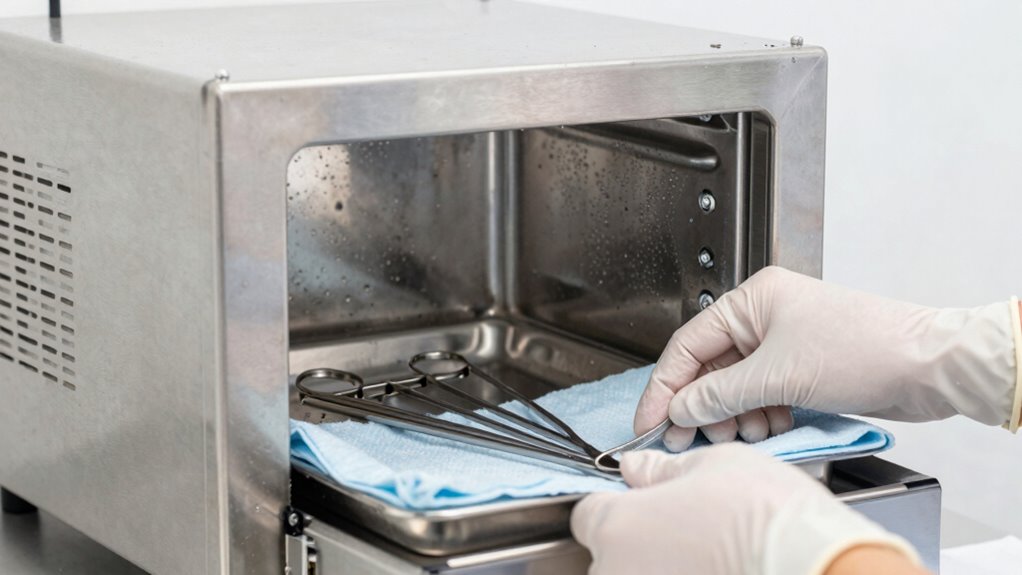
After the sterilization cycle finishes, it’s vital to allow the items to dry and cool properly before handling them. Use effective drying techniques, such as air drying or wiping with sterile cloths, to remove excess moisture and prevent contamination. Proper drying minimizes the risk of bacteria growth and guarantees sterilization integrity. For cooling, avoid opening the sterilizer immediately; instead, utilize gentle cooling methods like leaving the lid closed until the pressure drops naturally. This helps prevent rapid temperature changes that could damage the items or compromise sterility. Allow sufficient time for everything to reach room temperature before handling or packaging. Following the right drying techniques and cooling methods guarantees your tools remain sterile and safe for piercings.
Maintaining Your Sterilizer for Consistent Safety
Regularly maintaining your sterilizer is essential to guarantee it functions effectively and keeps your tools safe. Many sterilizer myths circulate, leading some to overlook proper maintenance. To dispel sterilization myths, always follow the manufacturer’s instructions for cleaning and servicing. Check seals, gauges, and safety valves regularly to assure they work correctly. Keep the sterilizer clean and dry, and perform routine testing to verify proper sterilization cycles. Remember, sterilizer myths can cause complacency; don’t assume your sterilizer is working perfectly without proper checks. Consistent maintenance prevents malfunctions and ensures safety. By staying vigilant and adhering to maintenance protocols, you eliminate doubts about sterilizer performance and uphold the highest safety standards in your piercing practice.
Common Mistakes That Can Hinder Sterilization
Even with proper maintenance routines in place, certain mistakes can still compromise the sterilization process. Many piercers fall prey to sterilizer myths and sterilization misconceptions, which can lead to unsafe practices. For instance, assuming that a quick cycle sterilizes all equipment or relying solely on visual cues can be dangerous. Overloading the sterilizer or failing to follow manufacturer instructions also diminish effectiveness. Additionally, neglecting to properly clean instruments before sterilization creates barriers to proper sterilization. Avoid shortcuts and double-check that all items are correctly loaded and the sterilizer reaches the recommended temperature and pressure. Recognizing and correcting these common errors ensures your sterilization process remains reliable and safe, preventing contamination and safeguarding clients’ health.
How to Check and Document Your Sterilization Results
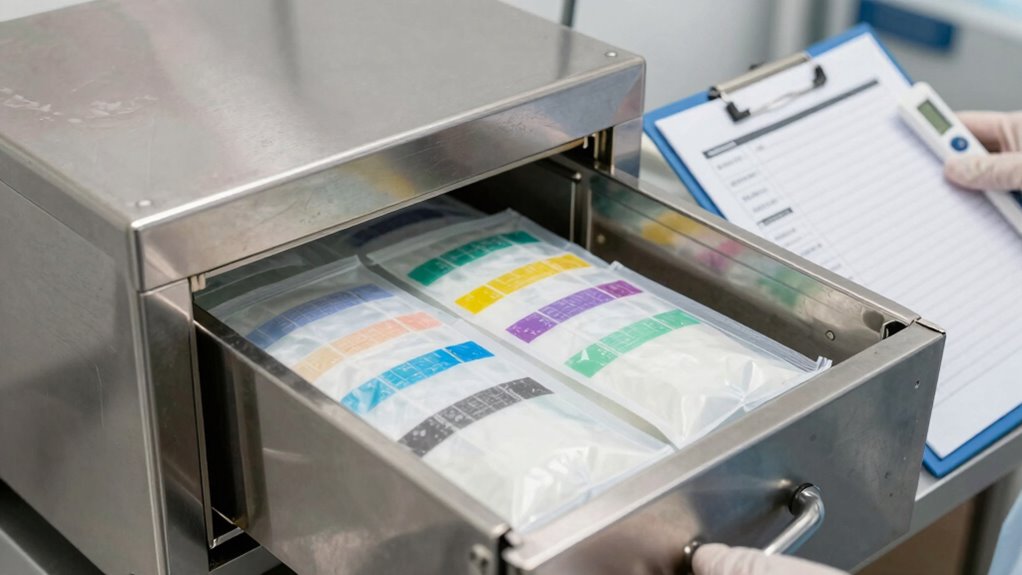
To guarantee your sterilization process is effective, you need to regularly check and accurately document the results. Start with sterilization verification by using biological, chemical, or mechanical indicators to confirm that the process has reached the necessary parameters. Always review the indicator results immediately after sterilization, making sure they meet the standards. Proper record keeping is essential—you should log each sterilization cycle, including date, time, results, and any issues encountered. Keep these records organized and easily accessible for audits or inspections. Consistent documentation not only verifies your sterilization process but also helps identify patterns or potential problems early. This systematic approach ensures your sterilization remains reliable and safe, protecting both your clients and your reputation.
Troubleshooting and Emergency Steps for Sterilizer Malfunctions
When a sterilizer malfunctions, quick and effective troubleshooting can prevent delays and guarantee safety. First, assess the sterilizer’s design to identify potential issues, such as faulty gauges or power failures. Check for error codes or warning lights, and consult the user manual for specific troubleshooting steps. If the problem persists, consider alternative sterilization methods like chemical sterilization or dry heat sterilizers, especially if the malfunction hampers immediate use. Always verify the sterilizer is turned off and unplugged before inspecting components. If you can’t resolve the issue promptly, contact a certified technician. Never attempt repairs beyond your training. Maintaining proper documentation of malfunctions and steps taken helps prevent future problems and ensures compliance with safety standards.
Frequently Asked Questions
How Often Should I Calibrate My Sterilizer for Optimal Safety?
You should calibrate your sterilizer at least once every six months to guarantee sterilizer accuracy and maintain safety standards. Regular calibration helps identify any issues that could compromise sterilization effectiveness. If your sterilizer is heavily used or shows signs of malfunction, consider more frequent calibrations. Adopting a consistent calibration schedule ensures your equipment remains reliable, preventing contamination and protecting both you and your clients.
What Are the Signs of a Malfunctioning Sterilizer?
If your sterilizer is malfunctioning, watch for abnormal sterilizer indicators, like failure to reach proper temperature or pressure levels. You might notice incomplete sterilization cycles or unusual noises. Equipment troubleshooting becomes essential; check for leaks, faulty gauges, or digital display errors. Regularly inspecting these signs helps you identify issues early, ensuring your sterilizer functions correctly and your clients stay safe. Always follow manufacturer guidelines for maintenance and troubleshooting.
Can I Use Alternative Sterilization Methods for Piercing Tools?
You can consider alternative sterilization methods like chemical sterilization or ultraviolet sterilization, but only if they’re approved for piercing tools and meet safety standards. Chemical sterilization involves using specific solutions to disinfect, while ultraviolet sterilization uses UV light to eliminate bacteria. Always verify the sterilization method’s effectiveness and make certain it complies with health regulations before use. Proper sterilization is essential to prevent infection and ensure client safety.
How Do I Ensure Proper Sterilizer Maintenance Routine?
To guarantee proper sterilizer maintenance, you should follow a routine that includes regular equipment inspections and adhering to recommended sterilization techniques. Check for any signs of wear, leaks, or malfunctions before each use. Clean the sterilizer thoroughly according to manufacturer instructions, and perform periodic testing with biological indicators to verify effectiveness. Keeping detailed logs of maintenance and inspections helps you stay compliant and ensures your tools are safely sterilized.
What Personal Protective Equipment Is Necessary During Sterilization?
You need to wear protective gloves, a mask, and goggles during sterilization to stay safe. Gloves protect your hands from heat and contaminants, while a mask prevents inhaling any harmful fumes or spores. Goggles shield your eyes from splashes or steam. Always make certain your PPE fits properly and is in good condition, and don’t forget to change gloves between tasks to maintain a sterile environment and protect yourself effectively.
Conclusion
Remember, safety isn’t just a rule—it’s a mindset. Properly operating your sterilizer guarantees every piercing is safe and sterile, protecting your clients and your reputation. Stay vigilant, follow the steps, and don’t cut corners. As they say, “A stitch in time saves nine.” Keep your sterilizer well-maintained, and you’ll prevent problems before they start, making your piercing practice both safe and successful.
Make informed choices about tattoo aftercare products to ensure vibrant results—discover which options truly work and which ones could hinder your healing.